Indiana prisoner execution: Wrong decision amid concerns
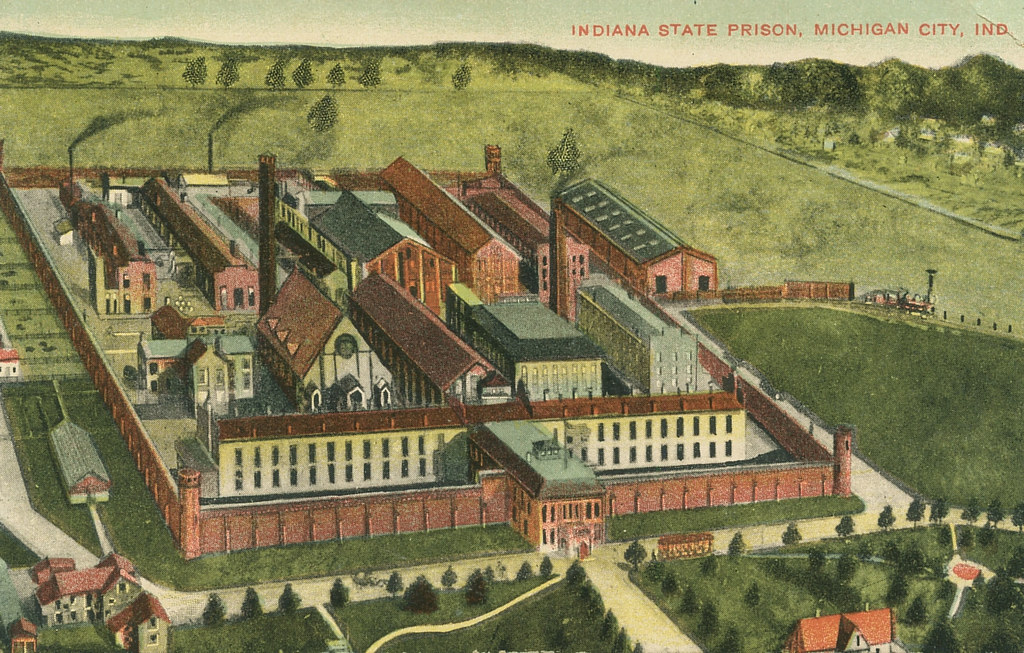
Indiana prisoner execution has sparked significant controversy as lawyers express concerns over the state’s lethal drug supplier and the execution process.
Background on Indiana prisoner execution
In recent news, the state of Indiana has proceeded with the execution of a prisoner, raising significant concerns from both legal experts and advocacy groups. The decision to carry out the Indiana prisoner execution has been met with criticism, particularly regarding the state’s choice of supplier for the lethal drugs used in the procedure.
Many legal representatives argued that the execution could violate the rights of the inmate due to the lack of transparency surrounding the drug’s origin. Concerns were raised about the effectiveness and ethical implications of the drugs, as well as their potential for causing unnecessary suffering.
In light of these issues, various organizations have called for a moratorium on executions in Indiana until a thorough review of the lethal injection protocols is conducted. Among the reasons cited for this pause are:
- The need for clarity on the sourcing of execution drugs.
- Potential legal challenges stemming from the execution process.
- Ethical considerations regarding the treatment of prisoners.
As the debate continues, the implications of this execution on the state’s justice system remain a focal point of discussion.
Concerns over lethal drug supplier
As the Indiana prisoner execution took place, significant concerns emerged regarding the source of the lethal drugs used in the procedure. Advocacy groups and legal experts have raised alarms about the transparency and ethics of the suppliers involved in the state’s execution protocol.
Critics argue that the state has not adequately disclosed information about the identity and practices of the pharmaceutical companies providing these drugs. This lack of transparency raises serious questions about their quality and effectiveness.
Moreover, several states have faced difficulties in obtaining lethal injection drugs, leading to a reliance on less reputable suppliers. The implications of this trend are troubling for those who support humane execution methods.
Among the primary concerns are:
- Potential for botched executions: Inadequate or improperly sourced drugs may result in inhumane suffering for the prisoner.
- Ethical considerations: The use of drugs from questionable suppliers may violate ethical standards upheld by the medical community.
- Legal challenges: Ongoing lawsuits highlight the potential for violations of constitutional rights during executions.
These issues contribute to the growing debate surrounding the Indiana prisoner execution and the broader implications for justice and human rights in the state.
Legal representation issues in executions
In recent executions in Indiana, significant issues have emerged surrounding the legal representation provided to prisoners. Critics argue that inadequate legal counsel has compromised the fairness of the judicial process, particularly in cases involving the death penalty.
Many defense lawyers have raised several concerns:
- Insufficient preparation time: Legal teams often report being rushed and unable to thoroughly investigate their clients’ backgrounds and mitigating circumstances.
- Lack of resources: Many public defenders are overwhelmed with cases, leading to a diminished capacity to provide effective representation.
- Access to expert witnesses: Defendants frequently struggle to secure necessary expert testimony, which can be critical in death penalty cases.
These issues have been highlighted in the context of the recent Indiana prisoner execution, where lawyers expressed concerns about the state’s lethal drug supplier and its implications for the execution process. The combination of inadequate legal support and troubling execution protocols raises serious questions about the integrity of the system, leaving many to wonder whether justice is truly being served.
Public reaction to the execution
The recent execution of an Indiana prisoner has sparked significant public outcry, reflecting widespread concerns about the decision-making process behind such actions. Many citizens have voiced their disapproval, arguing that the execution was a hasty decision given the ongoing issues surrounding the state’s lethal drug supplier.
Critics have taken to social media and local forums to express their feelings, stating that:
- The lack of transparency regarding the sourcing of execution drugs raises ethical questions.
- Legal representation for prisoners facing execution needs to be more robust and reliable.
- Public opinion is increasingly shifting towards reforms in the death penalty process.
Many advocates for criminal justice reform are calling for a moratorium on all executions in Indiana until these concerns are adequately addressed. They argue that the state should prioritize a thorough review of its execution protocols to ensure fairness and transparency. The Indiana prisoner execution has not only reignited debates over capital punishment but also highlighted systemic issues within the legal framework governing such irreversible actions.
The recent Indiana prisoner execution has sparked widespread debate over the ethical implications of capital punishment. Critics argue that this Indiana prisoner execution reflects a flawed justice system that often overlooks critical concerns.
By Shook Photos via Openverse