Understanding A Good I10-Index: What Is A Good I10-Index
A good i10-index is crucial for researchers looking to assess the impact of their scholarly work. Simply put, the i10-index measures the number of publications with at least 10 citations. This metric provides a quick snapshot of an individual’s influential research output, helping to evaluate their academic impact. Achieving a high i10-index indicates significant visibility and recognition within the academic community. Understanding what constitutes a good i10-index can guide researchers in enhancing their publication strategies and increasing their scholarly reach.

Understanding What is a Good i10-Index
Have you ever heard of the term i10-Index and wondered what it means? If you are a researcher or an academic, understanding the i10-Index is crucial for evaluating the impact of your work. In this article, we will dive deep into what a good i10-index is and how it can help you track your research impact and productivity. So, let’s unravel the mysteries of the i10-Index together!
What is the i10-Index?
The i10-Index is a metric used to measure a researcher’s productivity and impact based on the number of publications that have been cited at least 10 times. In simple terms, it shows how many of your papers have been cited a minimum of 10 times each. The i10-Index is named after the number 10, which signifies the minimum number of citations required for a publication to be included in this calculation.
Importance of the i10-Index
Now you might be wondering, why is the i10-Index important? Well, the i10-Index provides a quick and easy way to gauge the impact of a researcher’s work beyond just looking at the total number of citations. It helps in identifying the quality and significance of individual publications rather than focusing solely on the quantity of citations.
For researchers, having a good i10-Index can be a reflection of their influence in their field of study. It can also help in evaluating the productivity of a researcher over time and comparing their impact with their peers.
What is Considered a Good i10-Index?
While there is no definitive answer to what constitutes a good i10-Index as it can vary across different disciplines and career stages, generally speaking, a higher i10-Index indicates a stronger impact and productivity. However, what is considered a good i10-Index can also depend on factors such as the field of research, the publication norms, and the stage of one’s career.
Factors Influencing a Good i10-Index
Several factors can influence what is considered a good i10-Index:
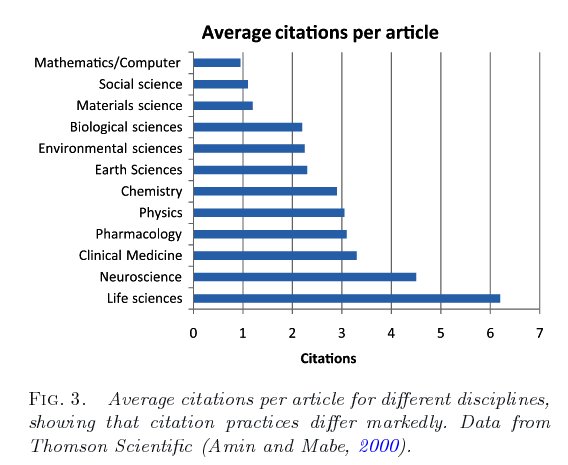
- Field of Research: Different fields have varying citation practices, and what might be a good i10-Index in one field may not be the same in another.
- Career Stage: Early-career researchers may have lower i10-Index values compared to established researchers, and that is normal due to the nature of academic progression.
- Publication Quality: The quality of publications, such as the impact factor of the journals and the significance of the research, can impact the i10-Index.
Tracking and Improving Your i10-Index
So, how can you keep track of your i10-Index and work towards improving it? One way is to regularly check your Google Scholar profile, as Google Scholar provides an automated calculation of your i10-Index based on your publications.
To enhance your i10-Index, you should focus on publishing high-quality research in reputable journals, collaborating with other researchers in your field, and promoting your work through various channels to increase visibility and citations.
Quick Tips to Boost Your i10-Index
Here are some quick tips to help you boost your i10-Index:
- Network and Collaborate: Collaborate with other researchers to reach a wider audience and increase the chances of your work being cited.
- Promote Your Research: Share your publications on social media, academic networking sites, and at conferences to attract more citations.
- Write Review Articles: Review articles tend to attract more citations, thus boosting your i10-Index.
In conclusion, understanding what a good i10-Index is and how it can benefit your research career is essential for every academic. By tracking and improving your i10-Index, you can showcase the impact and quality of your work to the scientific community and beyond.
Remember, while having a good i10-Index is valuable, it is just one of the many metrics used to evaluate research impact. So, keep publishing quality research, collaborating with peers, and engaging with the academic community to continue making a difference in your field!
What are Citation indices? what is H-index and i10 index? How to check citations, h and i10 index?
Frequently Asked Questions
What factors determine a good i10-index?
A good i10-index is determined by the number of publications that have been cited at least 10 times. The higher the number of publications meeting this criterion, the better the i10-index.
How does a good i10-index benefit an academic researcher?
A good i10-index indicates the impact and relevance of an academic researcher’s publications within their field. It demonstrates the visibility and influence of their work, which can be important for career advancement and collaborations.
Can a good i10-index be compared across different research fields?
While a good i10-index can provide a quick measure of an academic researcher’s impact within their field, it may not be directly comparable across different research fields due to varying citation practices and publication norms.
Final Thoughts
In conclusion, a good i10-index indicates a researcher’s impactful body of work, considering only highly cited publications. It is a reliable measure of an individual’s research productivity and influence within a specific field. Researchers should strive to achieve a higher i10-index by consistently producing high-quality and influential research that attracts citations. Ultimately, a good i10-index reflects the researcher’s contributions to the academic community and their ability to produce work that resonates with peers and scholars.