Smartwatch calorie tracking: The worst way to measure burns
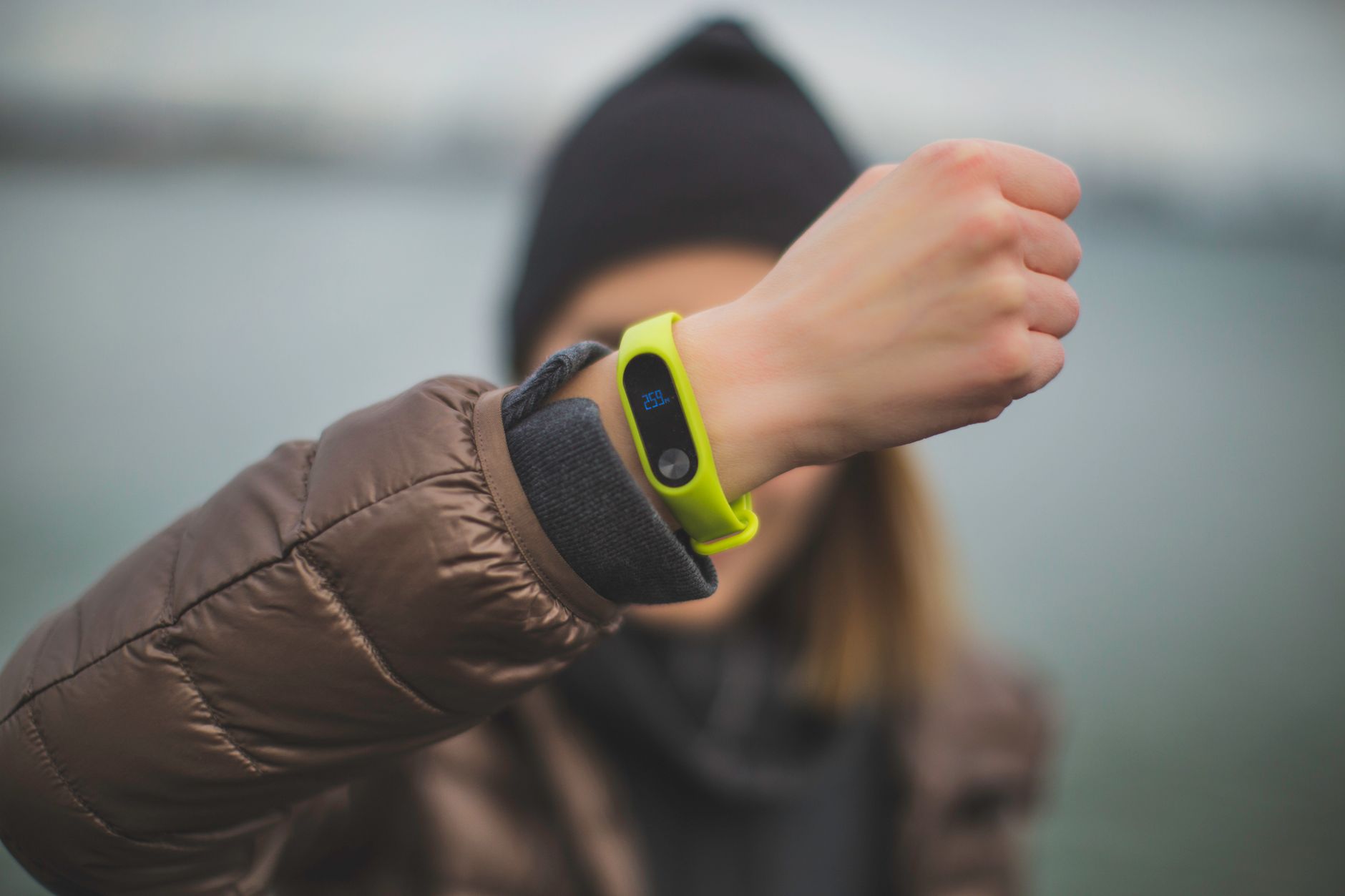
smartwatch calorie tracking can be frustratingly inaccurate. Many users find that their devices fail to provide reliable information about calories burned during workouts and daily activities.
Understanding Smartwatch Technology
Smartwatches have become a staple in personal fitness, offering features that include not only timekeeping but also health tracking. One of the most popular features is calorie tracking, which aims to provide users with insights into their energy expenditure. However, understanding how this technology works is crucial for accurate interpretation of data.
Smartwatches utilize a combination of sensors to estimate calorie burn, including:
- Heart Rate Monitors: These devices measure your heart rate to estimate how hard your body is working.
- Accelerometers: These sensors track movement intensity and frequency, providing data on physical activity levels.
- GPS: For outdoor activities, GPS helps calculate distance and speed, which are factored into calorie estimates.
Despite these advanced technologies, the accuracy of smartwatch calorie tracking can be questionable. Various factors, such as body composition, activity type, and environmental conditions, can skew results. Many users find that relying solely on these devices may lead to misconceptions about their actual caloric expenditure. Therefore, while smartwatches offer a convenient way to monitor fitness, it’s essential to approach calorie tracking with a critical mindset.
Common Misconceptions About Calorie Tracking
Many users rely on their devices for accurate calorie tracking, but there are several misconceptions regarding the effectiveness of smartwatch calorie tracking.
- Accuracy of Heart Rate Monitoring: One common belief is that smartwatches provide precise heart rate readings, which directly influence calorie burn calculations. However, variations in skin tone, movement, and the device’s position can lead to significant inaccuracies.
- Standardized Calorie Burn: Another misconception is that all smartwatches use a uniform method to calculate calories burned. In reality, algorithms vary widely between brands and models, leading to inconsistent results.
- Activity Recognition: Users often assume that their smartwatches can accurately recognize all forms of exercise. Many devices struggle with less common activities, resulting in either overestimating or underestimating calorie expenditure.
- Personalization: Some believe that once they input their basic information, the smartwatch can accurately track their unique calorie burn. However, many devices do not account for individual metabolic rates, which can cause further discrepancies.
Understanding these misconceptions is crucial for users who want to rely on smartwatch calorie tracking for their fitness journeys.
Factors Affecting Accuracy
When it comes to smartwatch calorie tracking, several factors can influence the accuracy of the data provided. Understanding these variables is crucial for users seeking precise information about their energy expenditure.
- Heart Rate Variability: Smartwatches primarily rely on heart rate monitoring to estimate calorie burn. However, variations in heart rate can result from factors such as stress, hydration, or even the fit of the device on the wrist.
- Activity Type: Different activities require different levels of energy. Calorie calculations may be less accurate during activities that involve irregular movements, such as dancing or playing sports, compared to steady-state exercises like running or cycling.
- Personal Metrics: Individual differences, including age, weight, and fitness level, significantly impact caloric burn. Many smartwatches use generic algorithms that may not fully account for these personal variables.
- Calibration Issues: Failure to calibrate the device according to user specifications can lead to skewed results, especially if the user has not entered accurate personal information.
Being aware of these factors can help users interpret their smartwatch calorie tracking results more critically and make informed decisions about their fitness routines.
Comparing Different Smartwatch Brands
When it comes to smartwatch calorie tracking, not all brands are created equal. Each smartwatch utilizes different algorithms and sensors, leading to varying levels of accuracy in calorie estimation. Below are some popular brands and their approaches.
- Apple Watch: Known for its sleek design and robust health features, the Apple Watch uses a combination of heart rate monitoring and motion sensors. While it provides a comprehensive overview of activity, its calorie tracking can sometimes be inflated during high-intensity workouts.
- Fitbit: This brand is a pioneer in fitness tracking. Fitbit devices focus heavily on daily activity levels and tend to give conservative estimates of calorie burns. However, users have reported discrepancies when comparing their data to gym machines.
- Garmin: Targeted towards serious athletes, Garmin smartwatches offer advanced metrics. They often provide more accurate calorie counts during specific exercises but can struggle with everyday calorie estimation.
- Samsung Galaxy Watch: Combining fitness with lifestyle, Samsung’s offering includes numerous health tracking features. However, like many competitors, it may overestimate calorie expenditure during less vigorous activities.
User Experiences and Feedback
User experiences with smartwatch calorie tracking reveal a mix of frustration and skepticism. Many users report that their devices frequently overestimate or underestimate the number of calories burned throughout the day. Emily, a fitness enthusiast, shared her experience: “I relied on my smartwatch to help me track my workouts, but I often found the numbers hard to believe. Some days, it claimed I burned over 1,000 calories during a moderate exercise session.”
Another user, James, expressed his doubts after conducting his own tests. “I compared my smartwatch data with my own calculations and found discrepancies of up to 300 calories. It’s frustrating when you’re trying to stay on track with your fitness goals.”
Some users, however, have found value in the data provided. Sarah, who uses her smartwatch for general activity tracking, noted, “While I take the calorie tracking with a grain of salt, it does motivate me to move more throughout the day.”
Overall, feedback on smartwatch calorie tracking indicates a need for improved accuracy and transparency in how calorie estimates are calculated, leading many to question whether these devices are the best tool for monitoring energy expenditure.
The Science Behind Calorie Measurement
The science behind calorie measurement in smartwatches is complex and often misunderstood. While many users rely on smartwatch calorie tracking as a quick way to gauge their energy expenditure, the underlying mechanisms are not as precise as one might hope.
Smartwatches typically use a combination of sensors and algorithms to estimate calorie burn. These devices generally rely on heart rate data, movement patterns, and user input such as age, weight, and gender. However, several factors can contribute to inaccuracies:
- Heart Rate Variability: Individual differences in heart rate response can skew results.
- Sensor Limitations: Many smartwatches use optical sensors, which can be less accurate than chest straps.
- Activity Type: Certain types of exercise, especially those involving strength training, may not be accurately captured.
- Calibration Issues: Without proper calibration, estimates can be off by a significant margin.
Furthermore, the algorithms used in these devices often rely on generalized data, which may not account for individual metabolic rates. As a result, while smartwatch calorie tracking can provide a rough estimate, it often fails to deliver precise information.
Tips for Better Tracking
For those looking to improve their fitness journey, understanding how to better track calorie burn with a smartwatch can make a significant difference. Here are some tips to enhance the accuracy of your calorie tracking:
- Choose the right device: Not all smartwatches are created equal. Research models known for better heart rate monitoring and activity tracking features.
- Wear it correctly: Ensure your smartwatch fits snugly on your wrist, as a loose fit can lead to inaccurate readings.
- Update your profile: Regularly update your age, weight, height, and fitness level in the smartwatch app to help improve precision in calorie calculations.
- Engage in diverse activities: Incorporate a variety of exercises into your routine. Some smartwatches are better at tracking specific activities, so switch things up to see what works best.
- Monitor your heart rate: Use continuous heart rate monitoring to get a more accurate estimate of calorie expenditure during workouts.
- Cross-reference with other methods: Occasionally compare smartwatch calorie tracking with other fitness tools or methods for a more comprehensive view of your energy expenditure.
By following these strategies, users can enhance the effectiveness of smartwatch calorie tracking and achieve a more accurate understanding of their fitness progress.
Future of Smartwatch Technology
The future of smartwatch technology is poised for significant advancements, especially in the realm of calorie tracking. As companies enhance their research capabilities and explore innovative algorithms, users can expect more accurate measurements in the coming years. However, there are still challenges to overcome.
One critical area of focus is the integration of advanced sensors. Next-generation smartwatches may incorporate improved heart rate monitors, skin temperature sensors, and even biometric feedback systems. These developments could lead to a more comprehensive understanding of individual caloric expenditure and better tracking of fitness levels.
Moreover, the use of artificial intelligence and machine learning can help tailor calorie tracking to individual users. By analyzing personal activity patterns and metabolic rates, smartwatches could provide customized insights that enhance the overall user experience.
Despite these promising innovations, it’s essential to remain aware of the limitations of current smartwatch calorie tracking. Many devices still rely on generalized data that may not accurately reflect personal metrics. As consumers, it’s crucial to approach these advancements with a discerning eye and understand that while technology evolves, human physiology remains complex.
In conclusion, the future of smartwatch calorie tracking may hold great promise, but users should remain cautious and informed about the tools they utilize.
Photo by Burst on Pexels