Rail Electrification in India: Proven Benefits for Growth
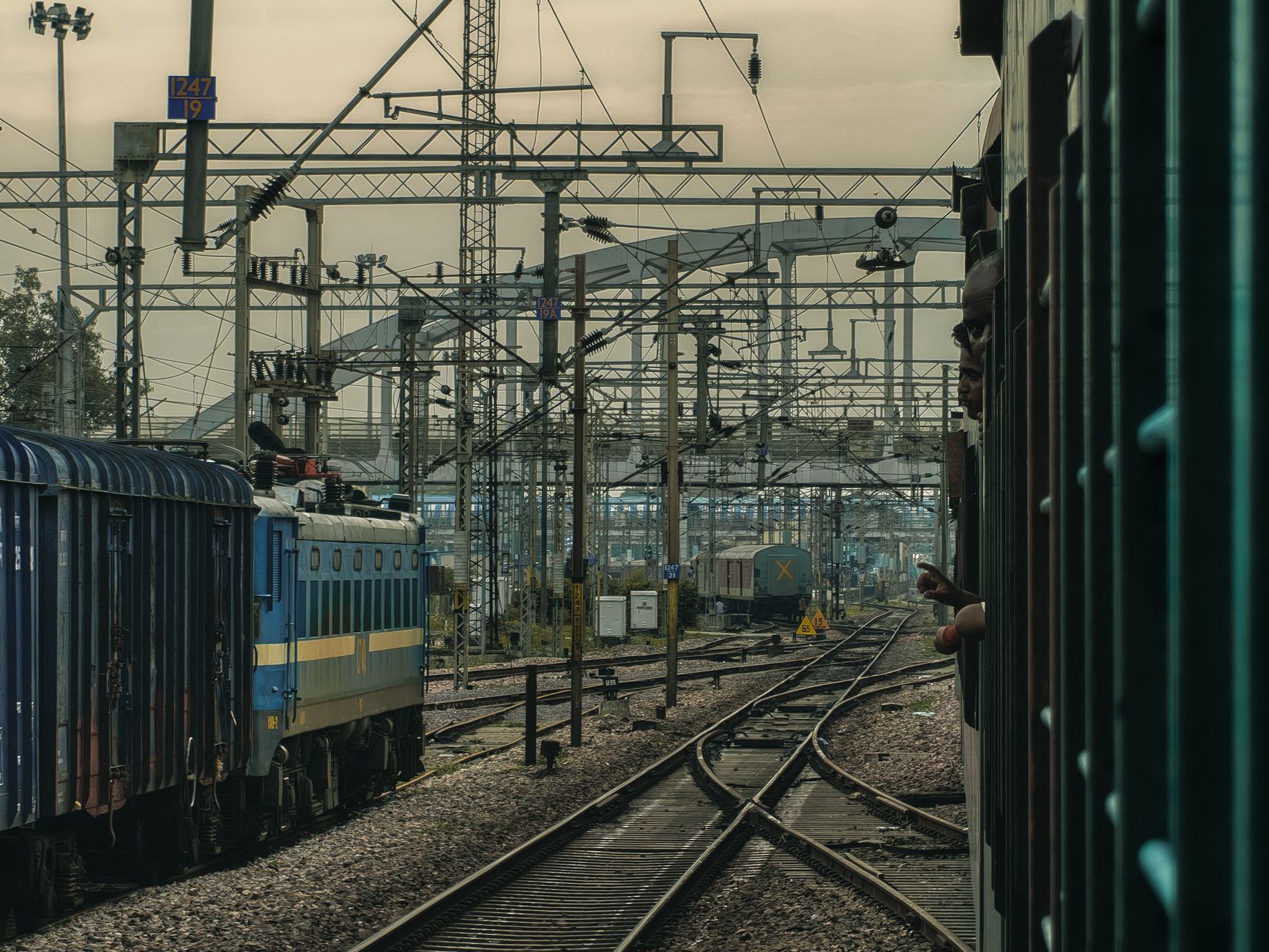
Rail electrification in India is a pivotal initiative highlighted by PM Modi, showcasing the nation’s commitment to modernizing its railway infrastructure.
Overview of Rail Electrification in India
Rail electrification in India has emerged as a transformative initiative aimed at modernizing the country’s railway infrastructure. With a commitment to sustainability and efficiency, the Indian government has accelerated the electrification process across various railway routes.
As of 2023, over 70% of India’s broad gauge network is electrified, highlighting significant progress in reducing dependency on fossil fuels. The shift towards electric trains is not just an environmental imperative but also a strategic move to enhance operational efficiency. Electrified trains can achieve higher speeds and reduce travel time, benefitting millions of passengers daily.
Moreover, the advantages of rail electrification extend beyond environmental benefits. It contributes to:
- Cost Savings: Electric trains incur lower operational costs compared to diesel-powered alternatives.
- Reduced Emissions: A substantial decrease in greenhouse gas emissions supports India’s climate goals.
- Job Creation: The expansion of electrified rail networks fosters employment opportunities in various sectors.
- Increased Capacity: Enhanced rail services can accommodate growing passenger and freight demands.
Overall, rail electrification in India represents a significant step forward in advancing the nation’s infrastructure and environmental sustainability.
PM Modi’s Vision for Modern Railways
Prime Minister Narendra Modi has been a strong advocate for the transformation of India’s railway network through rail electrification. His vision focuses on creating a modern, efficient, and sustainable railway system that aligns with the country’s growth objectives. Under his leadership, the Ministry of Railways has accelerated its efforts to electrify the railway lines, aiming for a complete electrification target by the year 2023.
The push for rail electrification in India is not only about enhancing operational efficiency but also about reducing carbon emissions and dependence on fossil fuels. PM Modi emphasizes that this initiative will lead to:
- Cost Savings: Electrification reduces fuel costs significantly, leading to lower operational expenses for the railways.
- Faster Services: Electric trains can achieve higher speeds, thus improving overall travel times for passengers.
- Environmental Benefits: Switching to electric trains contributes to a reduction in air pollution and greenhouse gas emissions.
Through this ambitious vision, PM Modi aims to position India’s railways as a global benchmark in modern transport systems, ultimately supporting economic growth and enhancing connectivity across the nation.
Benefits of Rail Electrification
Rail electrification in India offers numerous advantages that contribute significantly to the country’s economic growth and environmental sustainability. The following are some key benefits:
- Reduced Operating Costs: Electrified railways lower energy costs compared to diesel, resulting in substantial savings for Indian Railways.
- Enhanced Efficiency: Electric trains can operate at higher speeds and with greater reliability, improving overall service quality and passenger satisfaction.
- Environmental Benefits: Shifting to electric locomotives reduces greenhouse gas emissions, contributing to India’s commitment to sustainable development and cleaner air.
- Increased Capacity: Electrification enables more trains to run on existing tracks, effectively increasing the carrying capacity of the railway network without the need for additional infrastructure.
- Job Creation: The electrification projects generate new employment opportunities in engineering, construction, and maintenance, thereby boosting local economies.
- Improved Safety: Electric trains are equipped with advanced technologies that enhance safety standards, reducing the number of accidents and improving passenger security.
Overall, the benefits of rail electrification in India are clear, positioning the country for a more efficient and sustainable railway system.
Challenges in Implementation
Despite the significant advantages of rail electrification in India, the implementation process faces several challenges that need to be addressed for successful expansion.
- Infrastructure Limitations: The existing railway infrastructure often requires substantial upgrades to support electrification. In many areas, the old tracks and systems are not compatible with modern electric trains.
- Funding Issues: Securing adequate funding for large-scale electrification projects can be a hurdle. The high initial investment often deters stakeholders, despite the long-term savings and benefits associated with electrification.
- Land Acquisition: Acquiring land for new electrical lines poses a significant challenge, particularly in densely populated regions. Delays in land acquisition can stall projects and increase costs.
- Technological Constraints: While technology for electrification exists, the implementation of advanced systems is often limited by local expertise and resources. Training personnel to handle new technologies is essential.
- Maintenance Concerns: Maintaining electrified rail networks requires specialized skills and equipment, which can be a barrier if not properly managed.
Addressing these challenges is crucial for the advancement of rail electrification in India, ensuring that the benefits can be fully realized in the coming years.
Future of Indian Railways
The future of Indian Railways is poised for transformative growth, driven by the ongoing push for rail electrification in India. As the country moves towards a more sustainable and efficient railway system, several initiatives are set to redefine the landscape of transportation.
With PM Modi’s vision at the forefront, the electrification of railways is expected to significantly reduce carbon emissions and dependence on fossil fuels. This transition not only aligns with global sustainability goals but also enhances the operational efficiency of trains across the nation.
Looking ahead, major projects are underway to accelerate the pace of rail electrification, aiming for a fully electrified network by 2025. The government is prioritizing investments in infrastructure and technology to ensure timely completion of these initiatives.
Additionally, advancements in electric locomotive manufacturing and maintenance facilities will support the long-term vision of Indian Railways. Key benefits include:
- Increased Speed: Electrified trains can run faster, reducing travel time.
- Cost Efficiency: Lower operating costs lead to more affordable fares for passengers.
- Job Creation: New projects are expected to generate employment opportunities across various sectors.
The commitment to rail electrification signals a brighter, more efficient future for Indian Railways, ultimately enhancing the passenger experience and contributing to the nation’s economic growth.
Public Response to Electrification Efforts
The public response to rail electrification in India has been largely positive, reflecting a growing awareness of its benefits. Many citizens have expressed enthusiasm for the environmental advantages and increased efficiency that come with this transformation. As the country shifts towards greener energy sources, electrified trains are seen as a crucial step in reducing carbon emissions.
Feedback collected from commuters highlights various aspects of their experience with electrified rail services:
- Improved Travel Time: Passengers report faster journeys due to the increased speed of electric trains.
- Comfort and Reliability: Electrified trains offer quieter rides and fewer mechanical failures, enhancing overall satisfaction.
- Safety Enhancements: The new technology integrated into electric trains has significantly improved safety measures.
- Reduced Operational Costs: The operational efficiency of electrified services has led to lower ticket prices, making rail travel more accessible.
Moreover, community engagement initiatives have fostered a sense of ownership among locals regarding electrification efforts. Citizens are encouraged to participate in discussions about the future of rail electrification in India, ensuring that their voices shape the ongoing evolution of the railway system.
Photo by Prashant pacific on Pexels
References
Russian offensive campaign: What are the latest updates? · Asian Stocks Rally: Is This the Best Time to Invest? · GTA 6 Demand: Is It the Best Sign for Gamers?