PG&E Power Shut-offs: Worst Impact on Bay Area Residents
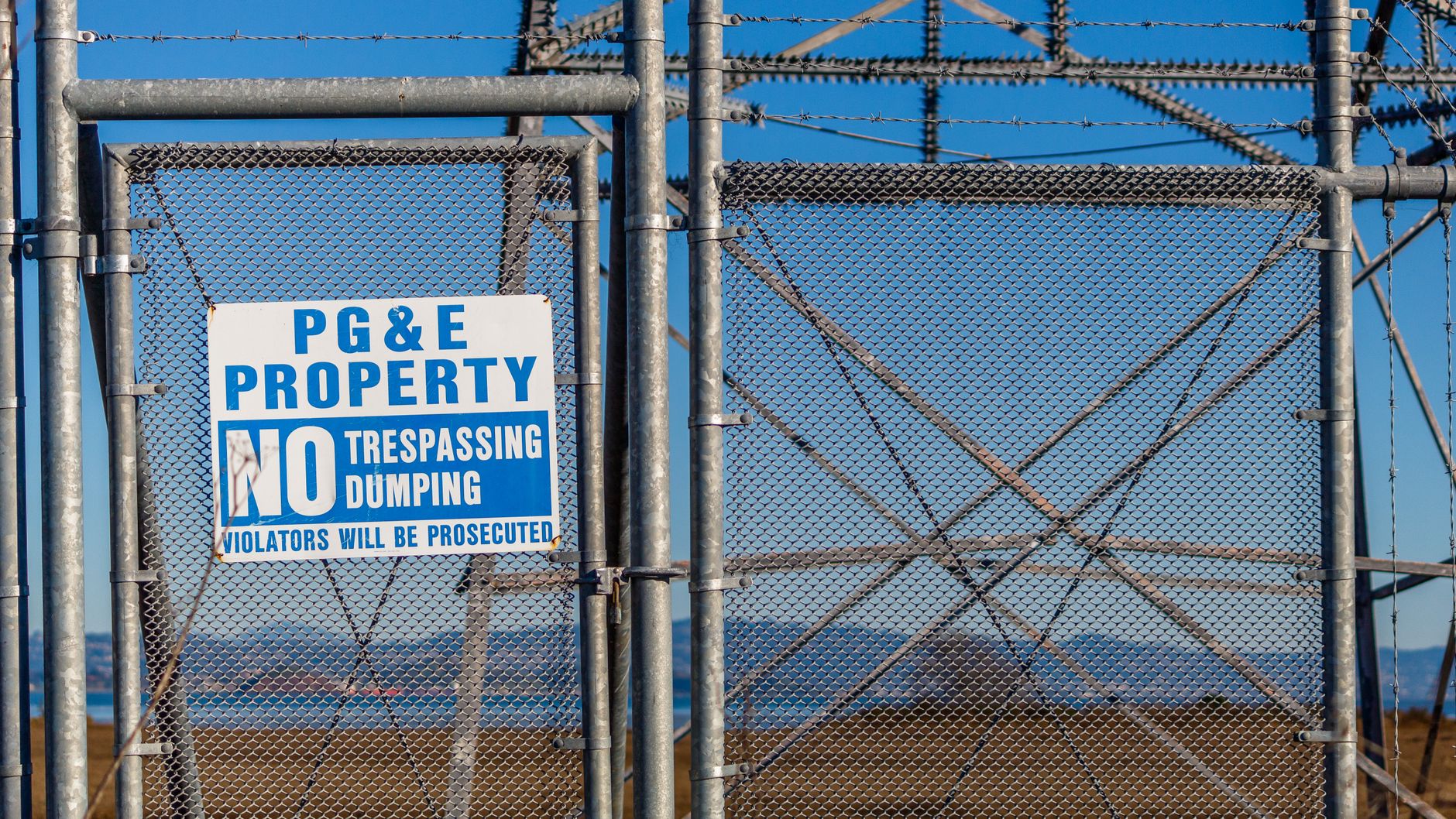
PG&E power shut-offs are set to impact thousands in the Bay Area, raising alarms about potential disruptions and safety concerns for residents. The utility company is implementing these measures to prevent wildfires during high-risk weather conditions.
Understanding PG&E’s Shut-off Policy
PG&E’s power shut-offs are a proactive measure designed to prevent wildfires during extreme weather conditions. The utility company has established a policy to turn off electricity in high-risk areas when the potential for fire increases significantly. This is particularly relevant in regions like the Bay Area, where dry conditions and strong winds pose a substantial threat to safety.
The criteria for initiating a shut-off include factors such as:
- Weather Forecast: Predictions of high winds, low humidity, and dry vegetation.
- Fire Risk Ratings: Assessments from fire officials indicating increased danger levels.
- Local Conditions: Observations of current conditions that may exacerbate fire risks.
During these shut-offs, thousands of residents can be affected, leading to significant disruptions in daily life. While PG&E aims to enhance safety through these measures, many residents express frustration over the frequency and duration of outages. The policy remains a contentious topic as communities seek a balance between safety and reliable power access amidst the ongoing challenges posed by climate change.
Impact on Bay Area Communities
The recent PG&E power shut-offs have left numerous Bay Area communities grappling with significant challenges. Residents in the region are experiencing not only disruptions to their daily lives but also a heightened sense of uncertainty about their safety and well-being.
Many families are facing the prospect of extended outages, which can lead to:
- Loss of perishable food items
- Inability to access essential medical equipment
- Disruption of remote work and schooling
- Increased reliance on alternative energy sources, such as generators
Moreover, the emotional toll on residents cannot be understated. The anxiety over potential fire hazards and the unpredictability of power restoration are weighing heavily on the minds of many. Local businesses are also feeling the impact, as power shut-offs can lead to lost revenue and reduced customer foot traffic.
As PG&E implements these measures to prevent wildfires, communities are calling for more robust solutions to mitigate the consequences of power shut-offs, emphasizing the need for greater communication and support during these critical times.
Safety Precautions During Outages
As PG&E power shut-offs become a common occurrence in the Bay Area, residents are urged to take essential safety precautions to prepare for potential outages. These proactive measures can help mitigate risks and ensure safety during times of uncertainty.
Here are some recommended safety precautions:
- Stock Up on Supplies: Keep an emergency kit with essentials such as water, non-perishable food, flashlights, batteries, and a portable phone charger.
- Plan for Medical Needs: If you or a family member relies on medical equipment, ensure you have a backup power source or alternative plans in place.
- Secure Important Documents: Keep important documents in a safe place that is easy to access during an outage.
- Communicate with Neighbors: Check in with neighbors, especially the elderly or those with special needs, to ensure they have a plan in place.
- Stay Informed: Monitor PG&E updates through their website or local news to stay informed about shut-off schedules and safety information.
By taking these precautions, residents can better navigate the challenges posed by PG&E power shut-offs.
Alternative Power Solutions for Residents
As PG&E power shut-offs become a more frequent occurrence, residents are seeking alternative power solutions to mitigate the impact of outages. Here are some effective options:
- Portable Generators: These devices can provide temporary power for essential appliances during an outage. It’s important to use them safely and in well-ventilated areas to prevent carbon monoxide buildup.
- Solar Power Systems: Installing solar panels can help homeowners generate their own electricity, reducing dependence on the grid. Coupled with battery storage, solar systems can supply power even when the sun isn’t shining.
- Battery Backup Systems: These systems store energy from the grid or solar panels and can automatically provide power during outages, ensuring that critical devices remain operational.
- Community Solar Programs: Some Bay Area communities are developing shared solar projects, allowing residents to benefit from solar energy without needing to install individual systems.
By exploring these alternative power solutions, Bay Area residents can better prepare for the challenges posed by PG&E power shut-offs, ensuring their homes remain functional during outages.
Government Response to Power Shut-offs
In response to the ongoing PG&E power shut-offs, local and state government officials have taken significant steps to address the concerns of affected residents. They are prioritizing public safety while also ensuring that communities have the necessary resources during these outages.
Government actions include:
- Emergency Services Activation: Local emergency services are on standby to assist residents during outages, particularly those with medical needs.
- Resource Distribution: Officials are working to provide resources such as backup generators and charging stations for essential devices.
- Public Awareness Campaigns: There are efforts to educate residents about the PG&E power shut-offs and what to do before, during, and after an outage.
- Support for Vulnerable Populations: Special attention is being given to vulnerable populations, including the elderly and low-income families, to ensure they receive assistance.
The government continues to explore long-term solutions to mitigate the impact of PG&E power shut-offs, aiming to create a more resilient infrastructure for the Bay Area residents.
Historical Context of PG&E Outages
PG&E power shut-offs have become a recurring issue for residents in the Bay Area, especially during periods of high fire risk. Over the past few years, the utility company has implemented these shut-offs as a preventative measure to reduce the risk of wildfires caused by downed power lines. This strategy, however, has not come without significant backlash from the community.
The history of PG&E outages dates back to several catastrophic fire events, including the deadly Camp Fire in 2018, which prompted the company to reevaluate its operational protocols. In response, PG&E initiated its Public Safety Power Shutoff (PSPS) program, which aims to temporarily turn off electricity in specific regions when adverse weather conditions are forecasted. While intended to protect lives and property, the program has left thousands of Bay Area residents without power for extended periods.
Residents have reported numerous challenges during these outages, including:
- Disruption of daily activities
- Lack of access to essential services
- Increased reliance on generators
As the frequency of PG&E power shut-offs rises, the conversation around their effectiveness and impact continues to evolve.
What to Do During a Power Outage
During a power outage caused by PG&E power shut-offs, it is essential for residents to remain prepared and calm. Here are some steps to take when the lights go out:
- Stay Informed: Keep a battery-operated radio or a charged mobile device handy to receive updates from PG&E and local authorities.
- Use Flashlights: Avoid using candles to prevent fire hazards. Flashlights and headlamps are safer alternatives.
- Preserve Food: Keep refrigerator and freezer doors closed to maintain cold temperatures. Food safety is crucial during prolonged outages.
- Communicate: Check on neighbors, especially the elderly or those with medical needs, to ensure they have what they need.
- Emergency Supplies: Stock up on essential items such as water, non-perishable food, medications, and first aid supplies.
- Plan for Extended Outages: Consider alternate arrangements for heating, cooling, and cooking if power outages last for an extended period.
By following these guidelines, residents can better navigate the challenges posed by PG&E power shut-offs and ensure their safety and well-being.
Photo by Robert So on Pexels