Japan-style training: Is it the best method for shooters?
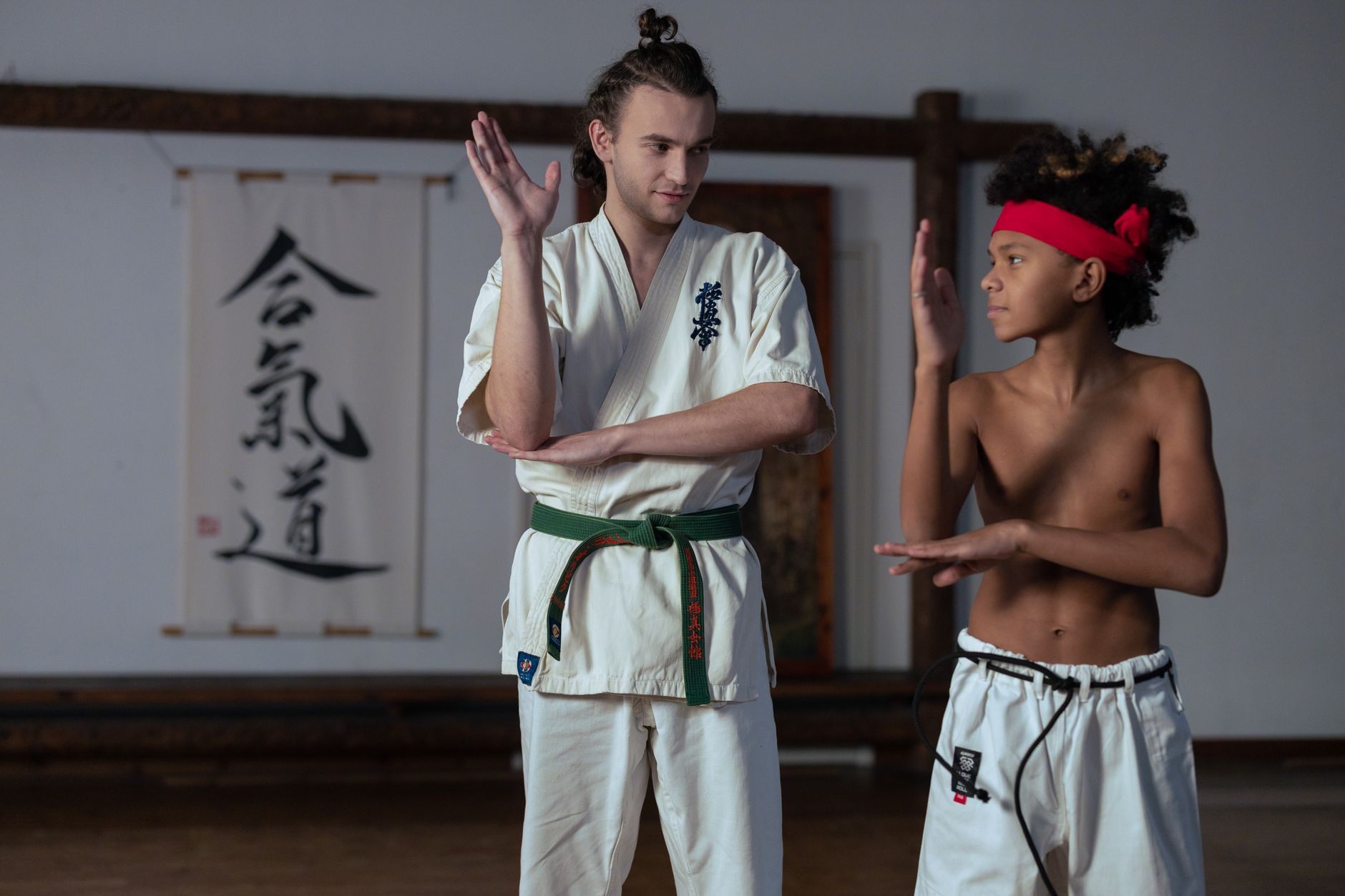
Japan-style training has played a crucial role in the success of Elavenil Valarivan, who recently won silver at the Asian Games. In her exclusive interview, she shares insights into her training regimen.
Introduction to Elavenil Valarivan
Elavenil Valarivan, a rising star in the world of shooting, has garnered attention for her remarkable achievements, including winning a silver medal at the Asian Games. In an exclusive interview, she shared insights into her training regimen, highlighting the influence of Japan-style training on her performance.
Valarivan’s dedication and discipline are evident in her approach to the sport. She emphasizes the importance of mental fortitude and precise technique, two hallmarks of the Japanese training philosophy. By adopting methods that focus on both physical and psychological aspects, she believes she has gained a competitive edge.
In her words, “The way they train in Japan has taught me to focus on the smallest details, which often make the biggest difference during competitions.” This mindset has not only improved her shooting skills but has also shaped her overall outlook as an athlete.
As Valarivan continues to excel, her experience with Japan-style training may inspire other shooters to explore similar methodologies in pursuit of excellence.
Her Journey to the Asian Games
Elavenil Valarivan’s journey to the Asian Games has been marked by dedication and a unique approach to training. Known for her commitment, Elavenil has embraced a Japan-style training regimen that has proven beneficial in her preparation. This method emphasizes precision, discipline, and mental fortitude, all of which have contributed to her success.
Throughout her training, Elavenil has focused on several key aspects:
- Technique refinement: Regular practice sessions to enhance shooting accuracy.
- Mental conditioning: Developing a strong psychological approach to competition.
- Physical fitness: Engaging in exercises that improve stamina and agility.
Elavenil’s rigorous training schedule has not only sharpened her skills but also instilled a sense of confidence. This preparation culminated in her outstanding performance at the Asian Games, where she secured a silver medal double. The integration of Japan-style training into her routine has been instrumental, allowing her to compete at the highest level and achieve remarkable results.
The Impact of Japan-Style Training
The impact of Japan-style training on shooters has been a topic of discussion in the sporting community, especially following the success of athletes like Elavenil Valarivan. This approach emphasizes precision, discipline, and mental fortitude, which are crucial in competitive shooting. Valarivan’s recent achievements at the Asian Games highlight how effective this training regimen can be.
Many athletes are now considering incorporating elements of this method into their own routines. The key features of Japan-style training include:
- Rigorous Practice Schedules: Athletes often engage in extensive practice sessions that focus on technique and consistency.
- Mental Conditioning: Emphasis on psychological resilience helps shooters manage pressure during competitions.
- Precision Equipment Usage: Shooters are trained to use their equipment efficiently, enhancing their overall performance.
As more shooters look towards Japan-style training, it raises the question of whether this method could become a standard practice worldwide, influencing training regimes across various shooting disciplines.
Insights from the Exclusive Interview
In an exclusive interview, Elavenil Valarivan shared her insights on the effectiveness of Japan-style training, which she credits for her success at the Asian Games. Valarivan emphasized the unique aspects of this training approach that have significantly influenced her performance.
She noted that:
- Precision and Focus: The training emphasizes mental discipline, allowing athletes to hone their concentration skills, which are crucial during competitions.
- Technique Development: Japan-style training incorporates rigorous drills that help refine shooting techniques, enabling athletes to maintain consistency under pressure.
- Holistic Approach: This method also focuses on physical fitness and mental well-being, encouraging shooters to develop a comprehensive skill set.
Valarivan believes that adopting Japan-style training can provide aspiring shooters with a competitive edge. She expressed her gratitude for the opportunity to train under this system, highlighting its role in helping her achieve remarkable success on an international stage.
As Valarivan continues to excel, many are left wondering if this method could become the gold standard for shooters worldwide.
Future Goals and Aspirations
As Elavenil Valarivan reflects on her achievements and the role of Japan-style training in her success, she sets her sights on future goals and aspirations. Having tasted success at the Asian Games, her ambitions are soaring even higher.
Elavenil aims to compete at the highest levels, with a particular focus on the upcoming Olympics. She believes that incorporating the techniques learned from Japan-style training will be crucial in her preparation. This training method emphasizes precision, discipline, and mental fortitude, qualities she hopes to further develop.
In her own words, Elavenil states, “I want to continue pushing my limits and aim for a podium finish at the Olympics.” Her journey is not just about medals; it’s about inspiring future generations of shooters in India. She plans to advocate for the adoption of Japan-style training techniques among young athletes, believing this approach can help them excel on the international stage.
Ultimately, Elavenil Valarivan’s future is bright, and she is determined to achieve her dreams while championing effective training methods.
Comparing Training Methods
When evaluating various training methods for shooters, Japan-style training has gained significant attention for its effectiveness. This approach is characterized by a blend of discipline, precision, and mental fortitude, which many athletes find beneficial.
Several factors contribute to the popularity of this training methodology:
- Structured Routines: Japan-style training emphasizes rigorous routines, ensuring that athletes develop consistent habits.
- Mental Conditioning: Shooters are trained to focus on mental resilience, which is crucial in high-pressure competitions.
- Technological Integration: Use of advanced technology aids in performance analysis and skill refinement.
- Peer Support: The camaraderie among shooters fosters a supportive environment that encourages improvement.
While many athletes, like Elavenil Valarivan, credit Japan-style training for their success, others may argue in favor of different methods. Ultimately, the best training technique may depend on an individual’s unique needs and preferences. As the debate continues, the influence of Japan-style training on the global shooting landscape remains undeniable.
Conclusion and Key Takeaways
In conclusion, the discussion surrounding Japan-style training and its effectiveness for shooters has gained significant traction, particularly in the context of Elavenil Valarivan’s impressive achievements. As she has illustrated through her journey, the structured and disciplined approach of this training method offers a unique advantage in high-pressure situations.
Key takeaways from this exploration include:
- The emphasis on mental conditioning, which is crucial for competitive shooters.
- Adaptability of training methods to cater to individual needs and strengths.
- The importance of consistency in practice, as highlighted by Valarivan’s routine.
- The role of international exposure in enhancing skills and building confidence.
As Valarivan continues to pursue her goals, her endorsement of Japan-style training raises questions about its potential adoption by athletes across various disciplines. The success she has achieved demonstrates that innovative training methodologies can lead to remarkable outcomes, challenging conventional practices in the sport.
Photo by cottonbro studio on Pexels