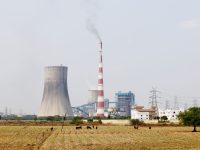
Houthis threaten Saudi Aramco: Clear risks escalate conflict
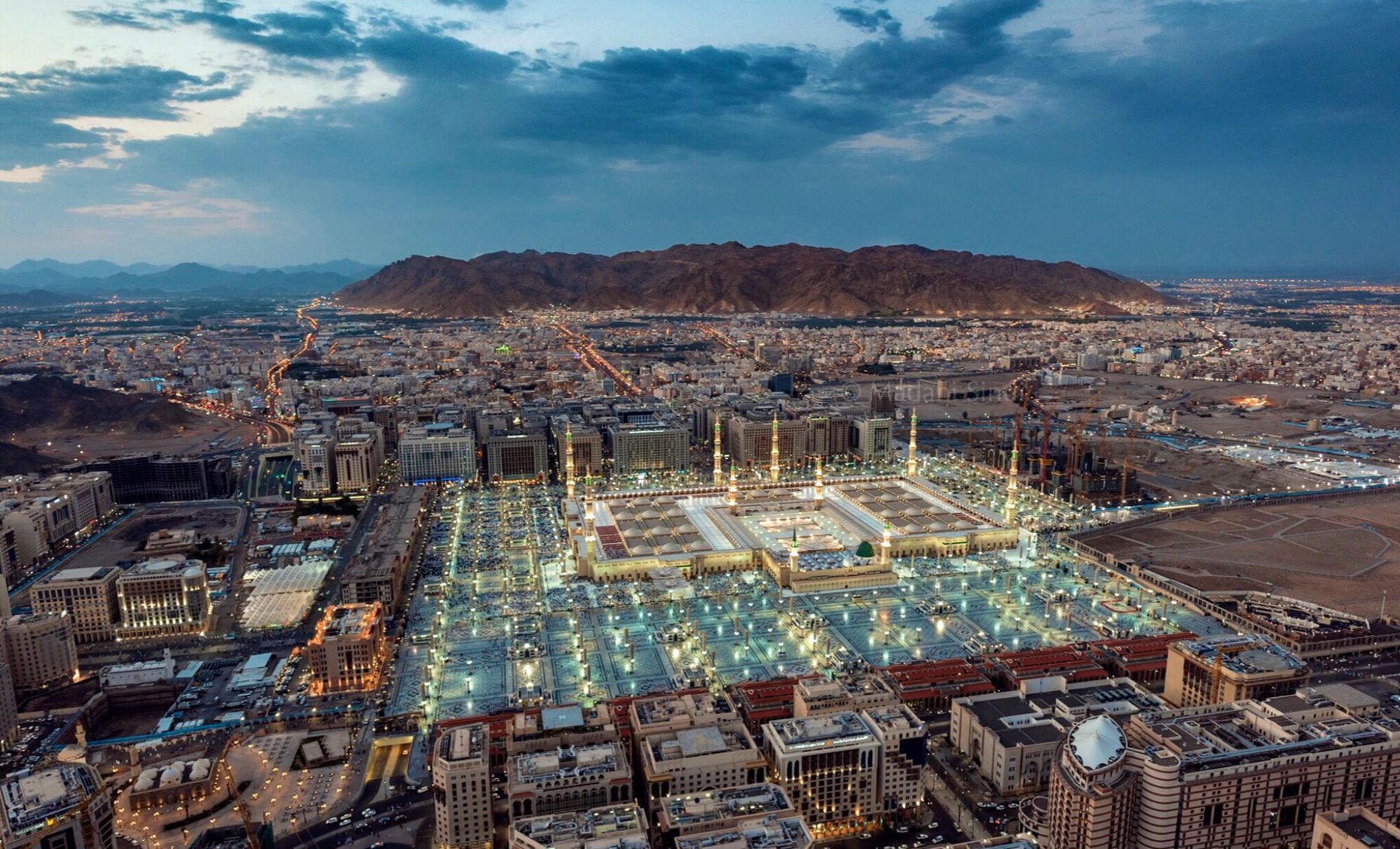
Houthis threaten Saudi Aramco facilities as tensions escalate in the region. The ongoing conflict has raised concerns over the safety of critical infrastructure.
Background of the Conflict
The ongoing conflict in Yemen has seen increasing tensions between the Houthi movement and Saudi Arabia, particularly targeting vital infrastructure such as oil facilities. The Houthis, a group backed by Iran, have made direct threats against Saudi Aramco, the national oil company of Saudi Arabia, signaling a dangerous escalation in their military strategy.
Since 2015, Yemen has been embroiled in a civil war that has resulted in a humanitarian crisis affecting millions. The Houthis have consistently launched attacks on Saudi territory, claiming that these operations are a response to the Saudi-led coalition’s involvement in the Yemeni conflict. The recent threats against Saudi Aramco facilities and airports indicate a willingness to expand their target list, aiming to destabilize the region further.
Several key factors contribute to the background of this conflict:
- Regional power struggle: The conflict is deeply rooted in a broader struggle for influence between Iran and Saudi Arabia.
- Humanitarian crisis: The war has led to widespread suffering, with severe shortages of food, medicine, and essential services.
- Economic implications: Threats to Saudi Aramco could disrupt global oil supplies, impacting economies worldwide.
As the conflict escalates, the stakes grow higher for both the Houthis and the Saudi government.
Impact on Oil Supply
The ongoing threats from the Houthis against Saudi Aramco raise significant concerns regarding the stability of oil supply in the region. As one of the world’s largest oil producers, any disruption to Aramco’s operations could have far-reaching implications for global markets.
Recent statements from Houthi leaders indicate a willingness to target not only oil facilities but also airports, suggesting an expansion of their operational scope. This escalation in hostilities could lead to:
- Increased Oil Prices: A potential attack on Saudi Aramco could result in immediate spikes in oil prices, affecting economies worldwide.
- Supply Chain Disruptions: Interruption of oil exports could create bottlenecks in the supply chain, impacting various industries reliant on crude oil.
- Investor Confidence: Heightened tensions may lead to reduced investor confidence in the region, causing long-term economic ramifications.
Furthermore, if the Houthis follow through on their threats, it could provoke a stronger military response from Saudi Arabia and its allies, escalating the conflict even further. The international community is closely monitoring the situation, as stability in oil supply is crucial for global economic health.
As the Houthis threaten Saudi Aramco, the implications for oil supply and broader geopolitical stability continue to unfold.
International Reactions
As the Houthis threaten Saudi Aramco, international reactions have intensified, with various governments and organizations expressing concern over the escalating conflict in the region. The potential for disruption to global oil supply chains has prompted urgent discussions among energy-producing nations.
The United States condemned the threats, labeling them as a dangerous escalation. A spokesperson for the U.S. State Department stated, “We stand with our allies in the region and will not tolerate any attacks on critical infrastructure.” Meanwhile, European nations have called for a de-escalation of hostilities, urging all parties to engage in dialogue to address underlying issues.
Additionally, the United Nations has voiced its apprehension regarding the situation. “Any attack on oil facilities not only threatens regional stability but also has far-reaching implications for the global economy,” a UN official remarked during a recent meeting.
In response to the threats, some countries are reevaluating their security measures for critical energy infrastructure. Analysts believe that if the Houthis follow through on their threats, it could provoke a significant military response from Saudi Arabia and its allies, further complicating an already volatile situation.
As tensions rise, the international community is closely monitoring developments, recognizing the risks that a conflict involving Saudi Aramco could pose to global energy markets.
Future of Saudi Aramco Facilities
The future of Saudi Aramco facilities hangs in the balance as tensions escalate in the region. The Houthis have issued significant threats against these critical infrastructure sites, emphasizing their potential targeting in ongoing hostilities. This alarming development raises concerns not only for the safety of the facilities but also for global energy stability.
Saudi Aramco, as the national oil company, plays a pivotal role in the Saudi economy and the world’s oil supply. The threats by the Houthis could lead to severe implications for both domestic and international markets. Analysts warn that any attack on these facilities could disrupt oil production and exports, which are vital for many countries dependent on Saudi oil.
In light of these threats, the Saudi government has ramped up security measures around Aramco sites. The military response to potential Houthi actions will be crucial in determining the future operational capacity of these facilities. The situation remains fluid, with various factors influencing the current state of affairs.
As the conflict progresses, the international community watches closely, aware that the consequences of any escalation could ripple through the global economy. The Houthis threaten Saudi Aramco, and the stakes have never been higher.
The recent statements from the Houthis threaten Saudi Aramco, indicating a potential escalation in hostilities in the region. As tensions rise, many analysts are concerned that the Houthis threaten Saudi Aramco may lead to a broader conflict involving multiple stakeholders.
Photo by Hussain Awan on Pexels
Sources
You might also like
Olive Oil Before Carbs: A Proven Way to Handle Sugar Better · Local body polls schedule: What’s the proven timeline? · School Assembly News: The Best Highlights from Today