Is the Houthi Threat to Mecca the Worst Crisis Yet?
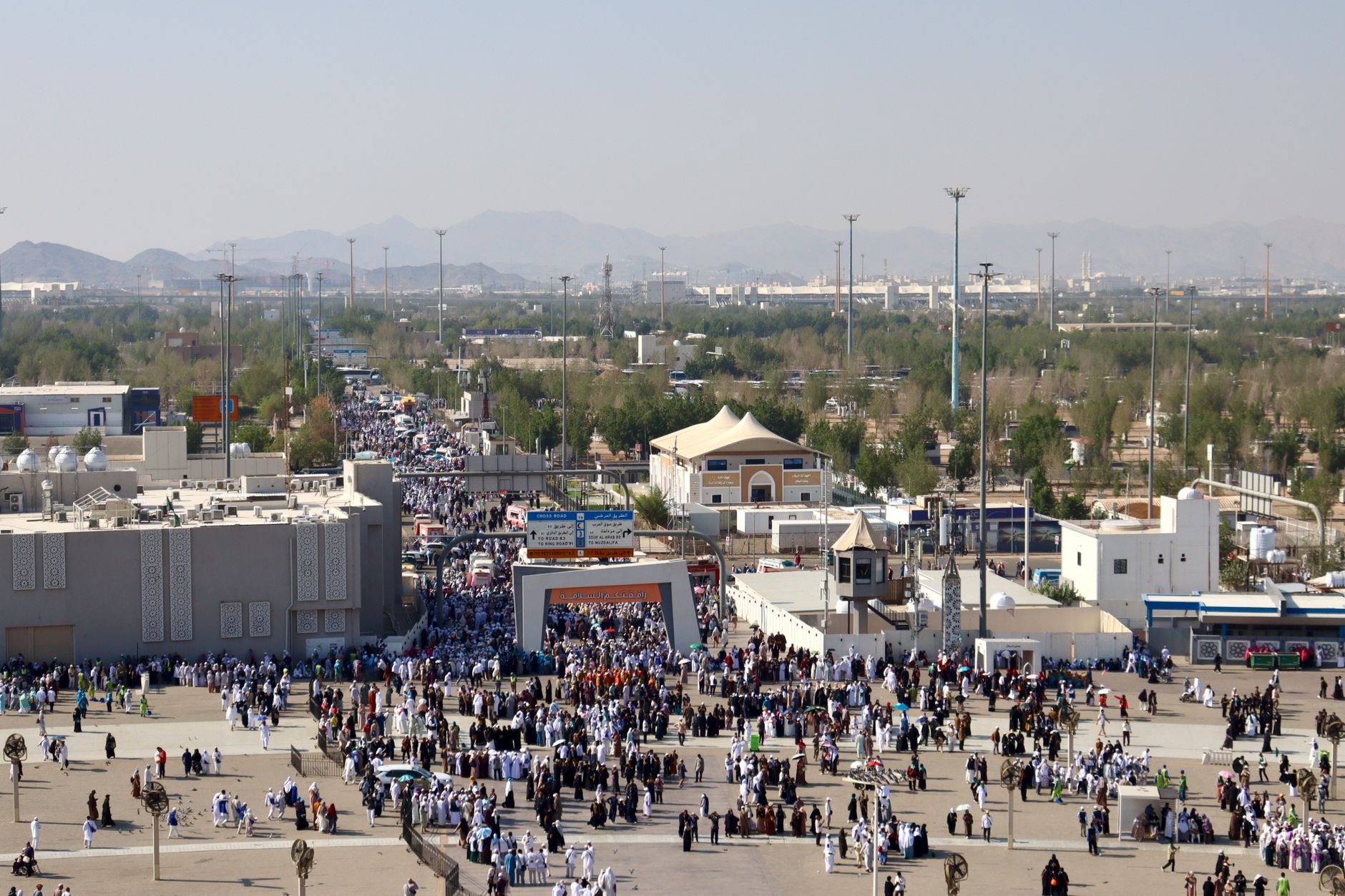
The Houthi threat Mecca has raised alarms across the region, signaling a potential escalation in conflict. As tensions mount, the implications for Saudi Arabia and its allies are significant.
Understanding the Houthi Movement
The Houthi movement, officially known as Ansar Allah, originated in northern Yemen and has evolved into a significant political and military force. Their rise has transformed the geopolitical landscape of the region, particularly in relation to Saudi Arabia. The Houthis advocate for greater autonomy and have expressed strong opposition to foreign intervention in Yemen.
Over the years, the group has gained notoriety for launching missile strikes and drone attacks against various targets, including those within Saudi Arabia. Recently, the Houthi threat to Mecca has raised alarms, as the holy city is not only vital to Islam but also a symbol of Saudi sovereignty. This escalating tension complicates the already strained relations between the Houthis and the Saudi government, prompting concerns about broader regional instability.
Many analysts fear that if the situation is not managed, it could lead to a major crisis in the Middle East.
Recent Developments in Mecca
Recent developments in Mecca have raised concerns about the escalating Houthi threat to Mecca. Over the past few weeks, intelligence reports have indicated increased activity from Houthi forces, leading to fears of potential attacks aimed at the holy city. This situation has prompted heightened security measures in and around Mecca, as authorities work to protect pilgrims and residents alike.
In addition to military precautions, diplomatic channels are being explored to mitigate the crisis. Saudi Arabia has been actively engaging with regional allies and international partners to form a united front against the Houthi escalation.
Local citizens express anxiety over the implications of this threat, as many rely on the annual pilgrimage for their livelihoods. As tensions persist, the world watches closely, questioning the potential impact on one of Islam’s holiest sites.
Pakistan’s Military Strategy Explained
As tensions rise over the Houthi threat to Mecca, Pakistan’s military strategy has come under scrutiny. Officials in Islamabad have emphasized a cautious approach, prioritizing diplomatic channels over direct military engagement. This strategy stems from the desire to maintain regional stability while avoiding escalation in the ongoing conflict.
Several key aspects of Pakistan’s military strategy include:
- Defensive Posturing: Pakistan aims to strengthen its defensive capabilities to protect its borders without provoking further aggression.
- Coalition Building: Islamabad is actively seeking alliances with other nations to present a united front against the Houthi threat.
- Intelligence Sharing: Enhancing intelligence cooperation with Gulf states to preempt potential attacks, particularly concerning Mecca.
This multifaceted approach seeks to address the complexities of the Houthi threat while safeguarding Pakistan’s interests and regional relationships.
The Implications for Saudi Arabia
The implications of the Houthi threat to Mecca extend far beyond the immediate security concerns for Saudi Arabia. As the birthplace of Islam, Mecca holds immense religious significance, making any threat to its sanctity particularly alarming for the Kingdom.
Saudi Arabia’s response is critical not only for national security but also for its image as the leader of the Islamic world. The potential for increased regional instability could lead to:
- Heightened military engagement: Saudi forces may need to bolster defenses around key religious sites.
- International relations strain: The Kingdom might face pressure from allies regarding its military strategies.
- Economic repercussions: Tourism and pilgrimage could suffer, impacting revenue.
Ultimately, the ongoing Houthi threat to Mecca underscores a pivotal moment for Saudi Arabia, testing its resilience and strategic planning amid rising tensions in the region.
Regional Responses to Houthi Threats
In light of the escalating Houthi threat to Mecca, regional powers have begun to reevaluate their military strategies and diplomatic relations. Several countries have expressed concern over the potential destabilization this threat could bring to the region.
Key responses include:
- Military Alliances: Nations are strengthening their alliances to counteract any potential aggression from the Houthis.
- Intelligence Sharing: Enhanced cooperation in intelligence sharing has become a priority to monitor Houthi movements and intentions.
- Diplomatic Pressure: Regional leaders are applying diplomatic pressure on Iran, believed to be supporting the Houthi movement.
As tensions rise, the need for a coordinated response becomes increasingly evident to ensure the security of not only Mecca but the broader region.
International Reactions to the Crisis
As the Houthi threat to Mecca escalates, international reactions have been swift and varied. Governments and organizations around the world are voicing their concerns over the potential implications of the conflict. Key responses include:
- United Nations: The UN has called for immediate dialogue to prevent further escalation and protect religious sites.
- United States: U.S. officials have condemned the attacks, emphasizing their commitment to regional stability.
- European Union: The EU has expressed solidarity with Saudi Arabia and stressed the importance of safeguarding Mecca.
- Iran: In a contentious stance, Iran has accused Saudi Arabia of exacerbating the situation, complicating diplomatic efforts.
These reactions reflect a growing concern over the potential for a wider conflict that could destabilize the region further.
Future of the Middle East Conflict
The escalating Houthi threat to Mecca has raised significant concerns about the future of stability in the Middle East. This situation not only endangers the holy city but also has broader implications for regional geopolitics. As tensions mount, several key factors may shape the trajectory of this conflict:
- The Role of Iran: The Houthis, backed by Iran, may continue to receive support that emboldens their actions, complicating diplomatic efforts.
- Saudi Response: Saudi Arabia’s military and political strategies will be critical in addressing the Houthi threat and maintaining regional influence.
- Global Involvement: The international community’s stance will likely influence the conflict’s evolution, with potential interventions or sanctions.
Ultimately, the outcome of the Houthi threat to Mecca could redefine alliances and power dynamics throughout the region.
What This Means for Global Stability
The escalating Houthi threat to Mecca poses significant risks not just for Saudi Arabia but for global stability as well. The potential for increased conflict in the region could lead to a ripple effect, impacting international alliances and trade routes.
As the situation develops, several key factors come into play:
- Economic Disruption: Heightened tensions may lead to fluctuations in oil prices, affecting global markets.
- Refugee Crisis: An escalation could result in mass displacement, straining neighboring countries and humanitarian resources.
- Terrorism Risk: A chaotic environment may provide fertile ground for extremist groups to exploit the instability.
Ultimately, the international community must remain vigilant, as the implications of the Houthi threat extend beyond the borders of Saudi Arabia, influencing global peace and security.
The Houthi threat to Mecca has escalated tensions in the region, raising concerns among religious leaders and governments alike. As the world watches closely, the implications of the Houthi threat to Mecca could redefine security measures in the holy city.
Photo by Fahad Puthawala on Pexels