Cyclone Bay of Bengal: Worst Weather Threats for South India
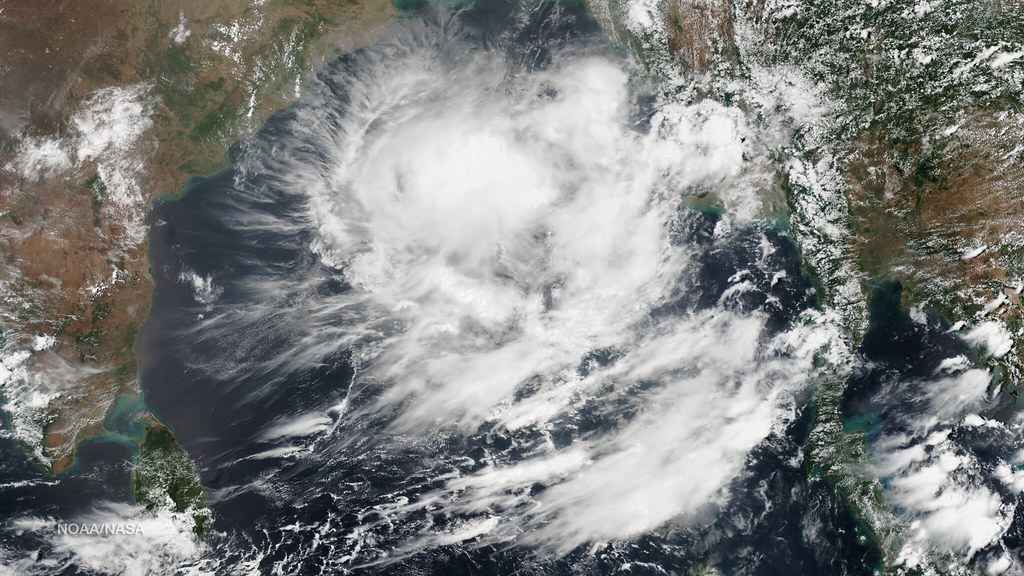
Cyclone Bay of Bengal is causing concern as it approaches South India, bringing heavy rain and prompting red alerts in multiple states. Residents are urged to stay prepared and updated on the situation.
Current Status of Cyclone Bay of Bengal
The current status of the Cyclone Bay of Bengal indicates significant weather threats for South India. As the cyclone intensifies, heavy rainfall is expected to impact various regions, including Odisha and West Bengal. Authorities have issued red alerts in multiple states, urging residents to remain vigilant and prepared for severe weather conditions.
The Indian Meteorological Department has reported:
- Heavy to very heavy rainfall predicted over coastal areas.
- Strong winds reaching up to 70 km/h, particularly in coastal districts.
- Potential flooding in low-lying regions due to prolonged downpours.
Local governments are taking proactive measures, including evacuation plans and emergency services readiness, to mitigate risks associated with the cyclone. Residents are advised to stay informed through official channels and to have emergency kits prepared.
Impact on South India
The ongoing Cyclone Bay of Bengal is projected to cause significant disruptions across South India. Meteorologists have warned that the cyclone will bring heavy rainfall, leading to potential flooding and landslides in vulnerable areas.
Residents in affected states are urged to take precautions as the cyclone intensifies. Key impacts include:
- Heavy Rainfall: Forecasts indicate that some regions may receive over 200 mm of rain in a short period.
- Strong Winds: Wind speeds are expected to reach up to 120 km/h, posing risks to infrastructure and transportation.
- Flooding: Low-lying areas are particularly at risk, and authorities are on high alert for evacuation if necessary.
As the situation develops, local governments are coordinating emergency responses to mitigate the impact of Cyclone Bay of Bengal.
Red Alerts Issued in Multiple States
As the Cyclone Bay of Bengal approaches, red alerts have been issued in several states across South India, signaling the severity of the impending weather threat. Authorities have warned residents to prepare for heavy rainfall and strong winds, which are expected to impact daily life significantly.
States such as Tamil Nadu, Andhra Pradesh, and Odisha are on high alert, with emergency services on standby. The meteorological department has advised people to stay indoors and avoid unnecessary travel during the cyclone’s peak.
In addition to the red alerts, local governments are coordinating evacuation plans for vulnerable areas prone to flooding and landslides. The focus remains on ensuring public safety as communities brace for the cyclone’s effects.
Residents are encouraged to stay informed through official channels for updates and safety instructions.
Historical Context of Cyclones in the Region
The Bay of Bengal has a long history of cyclonic activity, making it one of the most vulnerable regions in South India. Over the decades, numerous cyclones have formed in these waters, often leading to devastating consequences for coastal communities.
Historically, these storms have wreaked havoc, causing significant loss of life and property. The cyclones typically develop between April and November, with the most intense occurrences often registered during the pre-monsoon and post-monsoon periods.
In particular, the Cyclone Bay of Bengal poses threats not only from high winds but also from heavy rainfall and tidal surges. The impacts can be exacerbated by rising sea levels and climate change, making it essential for local governments and communities to prepare for these natural disasters.
As a result, understanding the historical context of cyclones in this region is crucial for effective disaster management and resilience planning.
Safety Tips for Residents
As Cyclone Bay of Bengal approaches, residents in affected areas should prioritize safety by following these essential tips:
- Stay Informed: Keep up-to-date with weather forecasts and alerts from local authorities.
- Emergency Kit: Prepare an emergency kit with essentials such as water, non-perishable food, medications, and a flashlight.
- Secure Property: Strengthen your home by securing outdoor items and windows to prevent damage from strong winds.
- Evacuation Plans: Familiarize yourself with local evacuation routes and have a plan in place for your family.
- Avoid Travel: Refrain from unnecessary travel during the cyclone to ensure your safety and minimize road hazards.
By taking these precautions, residents can better protect themselves and their families during Cyclone Bay of Bengal’s severe weather threats.
By NASA Goddard Photo and Video via Openverse