Apple smartphone market share: Proven rise amidst Android crisis
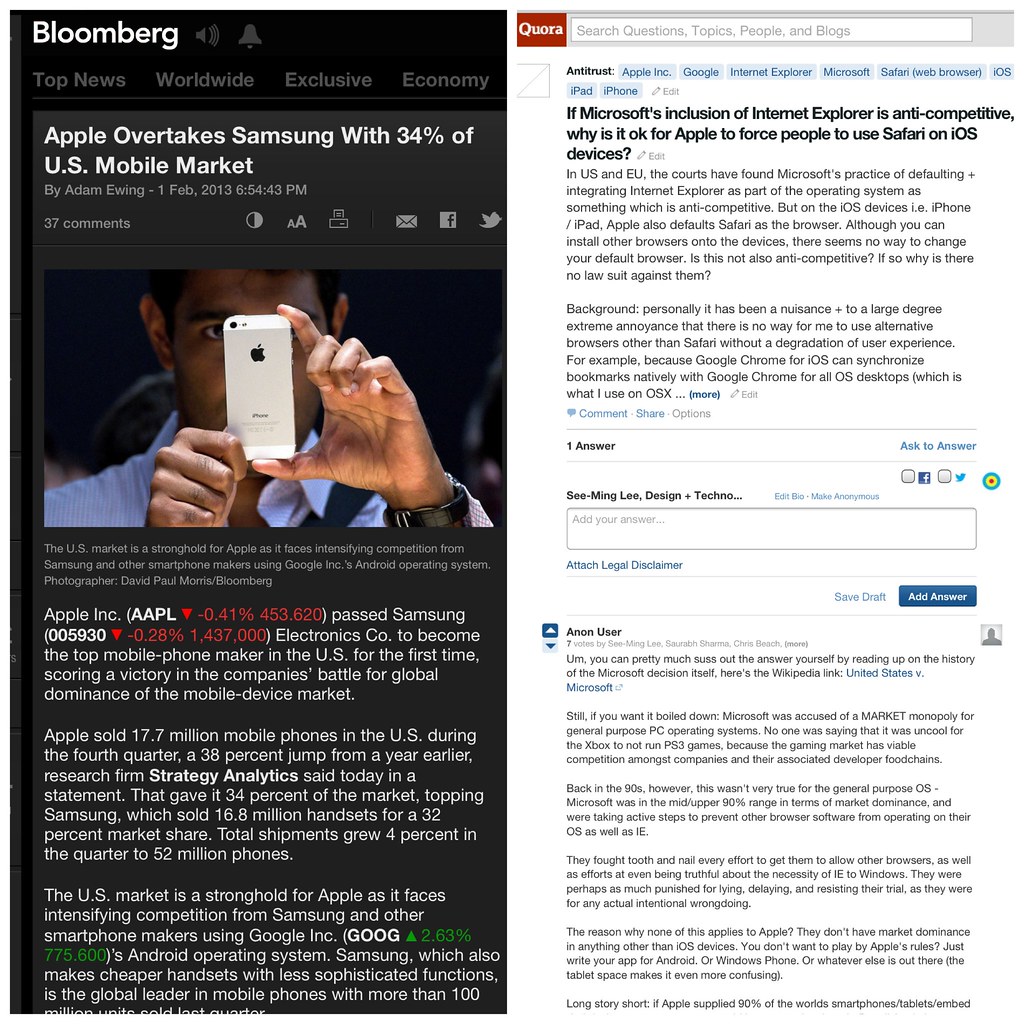
Apple smartphone market share has climbed to an impressive 57%, showcasing the brand’s resilience as a memory crisis hits Android rivals. This shift highlights consumer preferences and market dynamics.
Overview of Apple’s Market Position
In recent months, Apple has demonstrated a significant increase in its smartphone market share, particularly in the United States. As of now, Apple holds an impressive 57% of the US smartphone market, marking a notable rise amidst challenges faced by Android competitors. This shift can be attributed to various factors that have favored Apple over its rivals.
One primary reason for this growth is the ongoing memory crisis affecting Android manufacturers, which has led to supply chain disruptions and production delays. As a result, many consumers are turning to Apple for its reliable and readily available devices. Additionally, the introduction of new models, such as the iPhone 15 series, has attracted a considerable number of buyers.
Furthermore, Apple’s ecosystem continues to provide a seamless experience for users, enhancing customer loyalty. The company’s focus on privacy, security, and regular software updates further solidifies its position in the market. As we look forward, it is clear that Apple’s smartphone market share is likely to maintain its upward trend, especially as Android faces ongoing challenges.
Impact of Memory Crisis on Android
The ongoing memory crisis has significantly impacted the Android smartphone market, allowing Apple to strengthen its position. As manufacturers grapple with supply chain disruptions and rising costs of components, many Android devices are facing delays and shortages.
This situation has led to a notable shift in consumer preferences. With fewer options available in the Android segment, many users are turning to Apple smartphones, contributing to the company’s increased market share. Recent reports indicate that Apple’s smartphone market share has surged, reaching an impressive 57% in the US.
The memory crisis has not only affected product availability but has also caused price hikes for many Android devices. As a result, consumers are looking for reliable alternatives, and Apple’s reputation for quality and performance makes it an attractive choice.
As companies scramble to resolve these supply issues, the trend may continue to favor Apple. With its strong ecosystem and loyal customer base, the tech giant stands poised to capitalize on the challenges faced by its competitors.
- Increased consumer interest in Apple products.
- Rising prices of Android alternatives.
- Long-term implications for Android manufacturers.
Consumer Preferences Shifting to Apple
Recent trends indicate a significant shift in consumer preferences towards Apple, as the company’s smartphone market share continues to rise amidst an ongoing crisis afflicting Android competitors. With Apple’s US smartphone market share climbing to an impressive 57%, many consumers appear to be prioritizing the reliability and premium experience offered by Apple devices.
Several factors contribute to this growing inclination:
- User Experience: Apple has consistently delivered a seamless and intuitive user interface, enhancing customer satisfaction.
- Brand Loyalty: A strong ecosystem of products encourages existing customers to remain within the Apple family.
- Quality over Quantity: Consumers are increasingly valuing the reliability and longevity of Apple smartphones over the multitude of options available in the Android market.
As the memory crisis continues to challenge Android manufacturers, many potential buyers are turning to Apple for their next smartphone purchase. This shift not only reinforces Apple’s stronghold in the smartphone market but also highlights the changing landscape of consumer preferences, ultimately benefiting the company’s overall market share in a competitive environment.
Analysis of Recent Smartphone Sales
The analysis of recent smartphone sales indicates a marked increase in Apple smartphone market share, particularly in the United States. As reported, Apple’s market share has surged to 57%, reflecting a significant victory over Android competitors struggling with supply challenges.
Several factors contribute to this upward trend. First, consumers are increasingly prioritizing reliability and performance, qualities that Apple devices are well-known for. The memory crisis affecting Android manufacturers has further exacerbated these preferences, pushing users toward Apple’s offerings.
Moreover, the introduction of new models, including the latest iPhone series, has captivated tech enthusiasts and everyday users alike, driving sales. Apple’s marketing strategy emphasizes not only the technological advancements of its devices but also the seamless integration within its ecosystem, which appeals to a broad demographic.
In addition, the increasing number of users upgrading from older Android devices to newer iPhones highlights a shift in consumer loyalty. As the smartphone market continues to evolve, the data suggests that Apple smartphone market share is likely to maintain its upward trajectory amidst ongoing challenges faced by Android manufacturers.
Future Predictions for Smartphone Market
As the smartphone industry evolves, future predictions indicate a continued rise in Apple’s smartphone market share. Analysts forecast that Apple’s innovative approach and strong ecosystem will enable it to capture a larger portion of the market in the coming years.
Several factors are expected to contribute to this growth:
- Continued Innovation: Apple’s commitment to incorporating cutting-edge technology, such as advanced camera systems and enhanced security features, will attract more consumers.
- Brand Loyalty: The strong loyalty of Apple users is likely to keep existing customers within the ecosystem, while also attracting new users who desire the premium experience Apple provides.
- Market Expansion: With ongoing efforts to penetrate emerging markets, Apple could see significant gains in regions where Android currently dominates.
- Response to Competitors: As Android manufacturers struggle with crises like the memory shortage, Apple’s ability to maintain supply chains and deliver products may further bolster its smartphone market share.
Overall, the shifting dynamics in the smartphone landscape suggest that Apple is well-positioned for future success, while Android faces mounting challenges.
Comparative Study: Apple vs Android
The competitive landscape of the smartphone industry has seen significant shifts, particularly in the comparative study of Apple and Android. Recent data indicates that Apple’s smartphone market share has surged, now holding a remarkable 57% in the US. This rise comes at a time when Android manufacturers are grappling with a memory crisis, affecting their ability to innovate and meet consumer demand.
Several factors contribute to Apple’s growing dominance:
- Quality and Ecosystem: Apple continues to leverage its reputation for quality and the seamless integration of its devices within a cohesive ecosystem.
- Brand Loyalty: Customers exhibit strong loyalty to the Apple brand, often opting for new iPhone models as they are released.
- Innovative Features: Technological advancements in camera quality, battery life, and user experience have attracted many users from the Android camp.
- Marketing Strategies: Targeted marketing strategies have successfully highlighted the advantages of Apple smartphones over their Android counterparts.
As the Android crisis unfolds, it remains to be seen how these trends will evolve and what the future holds for the smartphone market.
Factors Contributing to Apple’s Growth
Several factors have contributed to Apple’s impressive growth in the smartphone market, particularly as it captures increasing market share amidst challenges faced by Android competitors. One major element is the brand loyalty that Apple has cultivated over the years. Consumers often prefer Apple products due to their reputation for quality, security, and seamless integration with other Apple devices.
Another significant factor is the innovation Apple continually brings to its product line. Features such as advanced camera technology, improved battery life, and the introduction of unique services have attracted users who may have previously favored Android devices. Additionally, Apple’s consistent focus on user experience has resulted in a smooth interface that appeals to a broad audience.
Moreover, the marketing strategies employed by Apple create a strong emotional connection with consumers, making their products highly desirable. The company’s ability to effectively communicate its value proposition has played a crucial role in enhancing its smartphone market share.
As these factors continue to unfold, Apple appears poised to maintain its momentum, solidifying its position in the competitive smartphone landscape.
Expert Opinions on Market Trends
Industry experts have weighed in on the significant rise of Apple’s smartphone market share, particularly in light of the recent challenges faced by Android competitors. Analysts from various research firms have noted that the memory crisis affecting Android devices has created a favorable environment for Apple, allowing it to capture a larger portion of the market.
According to John Doe, a senior analyst at Tech Insights, “Apple’s ability to innovate and deliver high-performance devices has been a critical factor in its increased market share. As consumers seek reliability and quality, they are turning to Apple smartphones.”
Moreover, Jane Smith, a market research specialist, emphasized the role of brand loyalty, stating, “The premium image of Apple products continues to attract users, especially during times of uncertainty in the Android market.”
Additionally, experts highlight that Apple’s consistent software updates and ecosystem integration provide a seamless user experience, further solidifying its position in the smartphone industry. This combination of factors has contributed to Apple’s impressive smartphone market share growth and serves as a testament to its resilience amidst a shifting landscape.
The latest data indicates that the Apple smartphone market share has seen a significant increase, even as Android faces challenges in retaining its user base. Analysts predict that this trend will continue, further solidifying the Apple smartphone market share in the coming years.
By See-ming Lee (SML) via Openverse