Pied-à-Terre Tax: The Worst Impact on Wealthy Out-of-Towners
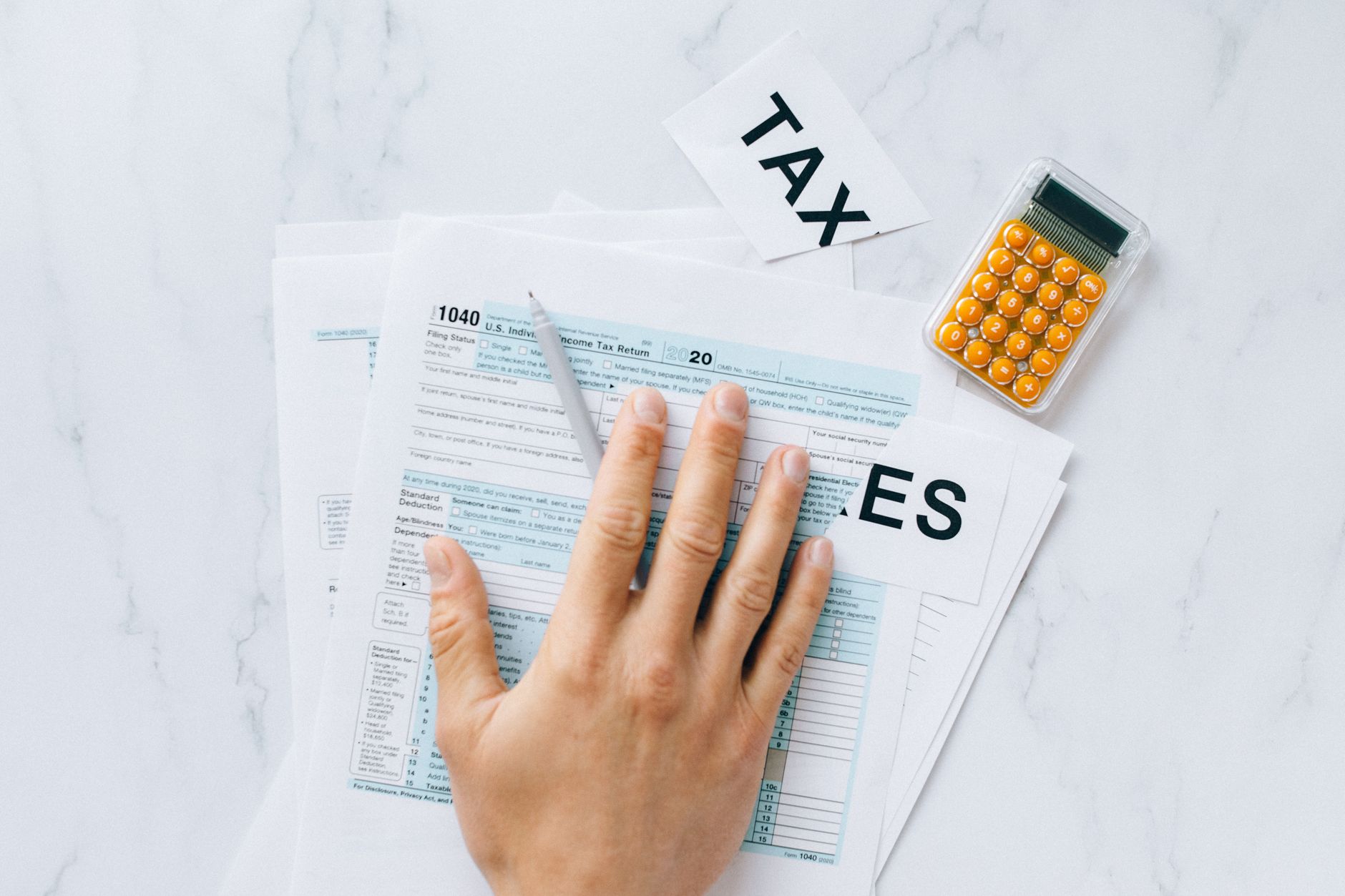
Pied-à-Terre Tax is causing significant challenges for wealthy out-of-towners, creating a double whammy effect. This new tax policy has stirred debates and concerns among affluent residents and investors alike.
What is the Pied-à-Terre Tax?
The Pied-à-Terre Tax is a proposed tax aimed at penalizing owners of high-value residential properties who do not occupy them as their primary residence. This initiative primarily targets wealthy out-of-towners who purchase luxury apartments or homes in urban areas, often using them as second residences or investment properties.
Designed to address housing shortages and affordability issues, the tax is seen as a way to cool down the luxury real estate market. While proponents argue that it will generate revenue for local governments, critics contend that it disproportionately impacts affluent individuals who contribute significantly to the economy through property investments.
- Revenue Generation: The tax aims to provide funds for affordable housing initiatives, potentially benefiting lower-income residents.
- Market Stabilization: By discouraging speculative purchases, the tax may help stabilize property values in overheated markets.
- Impact on Tourism: Wealthy out-of-towners often support local businesses; thus, the tax may inadvertently harm the economy.
As discussions surrounding the Pied-à-Terre Tax continue, many are left wondering about its long-term implications for both the real estate market and the broader community.
Impact on Wealthy Residents
The introduction of the Pied-à-Terre Tax has raised significant concerns among wealthy residents, particularly those who own secondary homes in urban areas. This tax primarily targets affluent out-of-towners, imposing a financial burden that many argue is disproportionate to their usage of these properties.
Critics of the tax believe that it could lead to a series of unintended consequences, including:
- Decreased Property Values: The imposition of the Pied-à-Terre Tax may deter potential buyers from investing in luxury real estate, leading to a decline in property values.
- Reduced Economic Activity: Wealthy individuals often contribute significantly to local economies through spending on services and retail. A decrease in ownership could result in reduced economic vitality.
- Increased Vacancy Rates: As wealthy owners choose to sell or rent out their properties to avoid the tax, the market may experience higher vacancy rates, further destabilizing neighborhoods.
Additionally, many affluent residents feel that they are being unfairly targeted, as they contribute to the local tax base through other means. The Pied-à-Terre Tax has sparked a broader debate about fairness in taxation and the implications for urban living.
Reactions from Out-of-Towners
In response to the recently implemented Pied-à-Terre Tax, many wealthy out-of-towners have expressed their discontent regarding the financial implications of the new legislation. The tax, aimed at taxing individuals who own luxury properties but reside elsewhere, has sparked a wave of reactions that highlight the broader concerns among affluent property owners.
Some of the key reactions include:
- Increased Costs: Many out-of-towners feel that the Pied-à-Terre Tax unfairly burdens them with additional expenses, potentially deterring future investments in the area.
- Impact on Real Estate Market: Critics argue that the tax could lead to a decline in property values, as fewer wealthy buyers may be willing to invest in properties if they face higher taxes.
- Perception of Discrimination: Several property owners have voiced concerns that the tax targets them specifically, creating a perception that they are being singled out due to their wealth.
- Calls for Reassessment: Many have called for a reassessment of the tax, arguing that it could have unintended consequences that harm not only the luxury market but also the broader economy.
As the debate continues, it remains clear that the Pied-à-Terre Tax is not just a financial issue, but a matter of principle for many affluent out-of-towners who feel their contributions to the local economy are being undervalued.
Financial Burdens Explained
The introduction of the Pied-à-Terre Tax has stirred considerable discussion regarding its financial implications for wealthy out-of-towners. This tax, designed to target individuals who own luxury properties but do not reside in them full-time, presents a unique set of burdens that can significantly impact their financial landscape.
Many affluent property owners have expressed concerns that the Pied-à-Terre Tax acts as a double whammy, imposing not only additional financial responsibilities but also affecting their investment strategies. The following points summarize the financial burdens associated with this tax:
- Increased Annual Costs: The tax is expected to lead to a noticeable increase in annual expenses for property owners, particularly those who maintain multiple residences.
- Property Value Considerations: With the added tax burden, some owners worry about a potential decline in property values, as the desirability of owning a pied-à-terre may diminish.
- Impact on Rental Markets: Wealthy out-of-towners often rent their properties when not in use. The tax may complicate their ability to manage these rentals profitably.
- Potential for Legal Challenges: As the tax is new, there may be legal ramifications or challenges that could further complicate financial planning for these property owners.
In summary, the financial burdens imposed by the Pied-à-Terre Tax are likely to reshape how wealthy out-of-towners approach their real estate investments and property management strategies.
Comparative Tax Policies
The introduction of the Pied-à-Terre Tax has raised significant concerns regarding its comparative implications on tax policies across different regions. While many cities implement taxes aimed at luxury properties, the specifics of Mamdani’s approach stand out for their potential to disproportionately impact wealthy out-of-towners.
In various jurisdictions, tax policies are designed to address housing shortages and promote affordable living. However, the Pied-à-Terre Tax diverges from these traditional models. Key points of comparison include:
- Tax Rates: Some cities impose minimal taxes on second residences, while Mamdani’s proposal suggests higher rates that apply specifically to non-residents.
- Purpose: Other regions may use taxes to fund public services, whereas the Pied-à-Terre Tax appears primarily aimed at generating revenue from wealthy individuals.
- Exemptions: Many tax policies offer exemptions for primary residences or certain income brackets, unlike the stringent criteria of the proposed tax.
As cities grapple with equitable taxation, the Pied-à-Terre Tax exemplifies a growing trend of targeting affluent individuals, raising questions about fairness and economic impact. Critics argue that such policies could discourage investment and tourism, ultimately affecting local economies.
Future of Real Estate Investment
The implementation of the Pied-à-Terre Tax has raised significant concerns regarding the future of real estate investment, particularly for wealthy out-of-town buyers. As cities grapple with housing affordability and economic disparities, many investors are re-evaluating their strategies.
Industry experts predict several key trends as a result of this tax:
- Shift in Investment Strategy: Wealthy individuals may opt to invest in regions with more favorable tax structures, diverting capital away from high-tax areas.
- Decreased Property Values: The additional financial burden placed on second-home owners could lead to a decline in property demand, subsequently lowering market values.
- Increased Rental Market Activity: To mitigate tax impacts, some owners might convert their pied-à-terre properties into long-term rentals, potentially flooding the rental market.
- Impact on Local Economies: A decrease in high-end property investments could negatively affect local businesses that rely on affluent clientele for revenue.
The long-term consequences of the Pied-à-Terre Tax remain uncertain, but its immediate effects are already influencing investment decisions. As wealthy out-of-towners reassess their portfolios, cities may need to adapt to a changing landscape in real estate investment.
Expert Opinions on Tax Effects
Experts in real estate and taxation have weighed in on the implications of the proposed Pied-à-Terre Tax, emphasizing its potential to alter the landscape for affluent non-residents. According to Dr. Emily Carter, a leading economist, “The Pied-à-Terre Tax represents a significant financial shift, effectively penalizing those who invest in city properties but do not reside there full-time.”
Many experts argue that this tax could deter wealthy individuals from purchasing secondary homes, which may have broader ramifications for the local economy. David Reynolds, a tax policy analyst, noted, “Wealthy out-of-towners contribute immensely to local businesses. By imposing this tax, the city risks losing a vital economic engine.”
Furthermore, some industry specialists believe that the tax may lead to increased property vacancies, as owners might choose to sell rather than pay the additional fees. Maria Lopez, a real estate consultant, stated, “The Pied-à-Terre Tax could create a ripple effect, leading to declining property values as demand wanes.”
The consensus among these experts is clear: while the intention of the Pied-à-Terre Tax may be to address housing affordability, its unintended consequences could significantly impact the real estate market and the overall economy.
As the proposal moves forward, stakeholders are closely monitoring its potential effects on the city’s financial landscape.
Photo by Nataliya Vaitkevich on Pexels
References
Maharashtra drought announcement: Is it the worst for farmers? · Are Energy Talks in India the Best Move for U.S.? · Houthis threaten Saudi Aramco: Clear risks escalate conflict