Whole Grain Intake: Proven Benefits for Heart Health
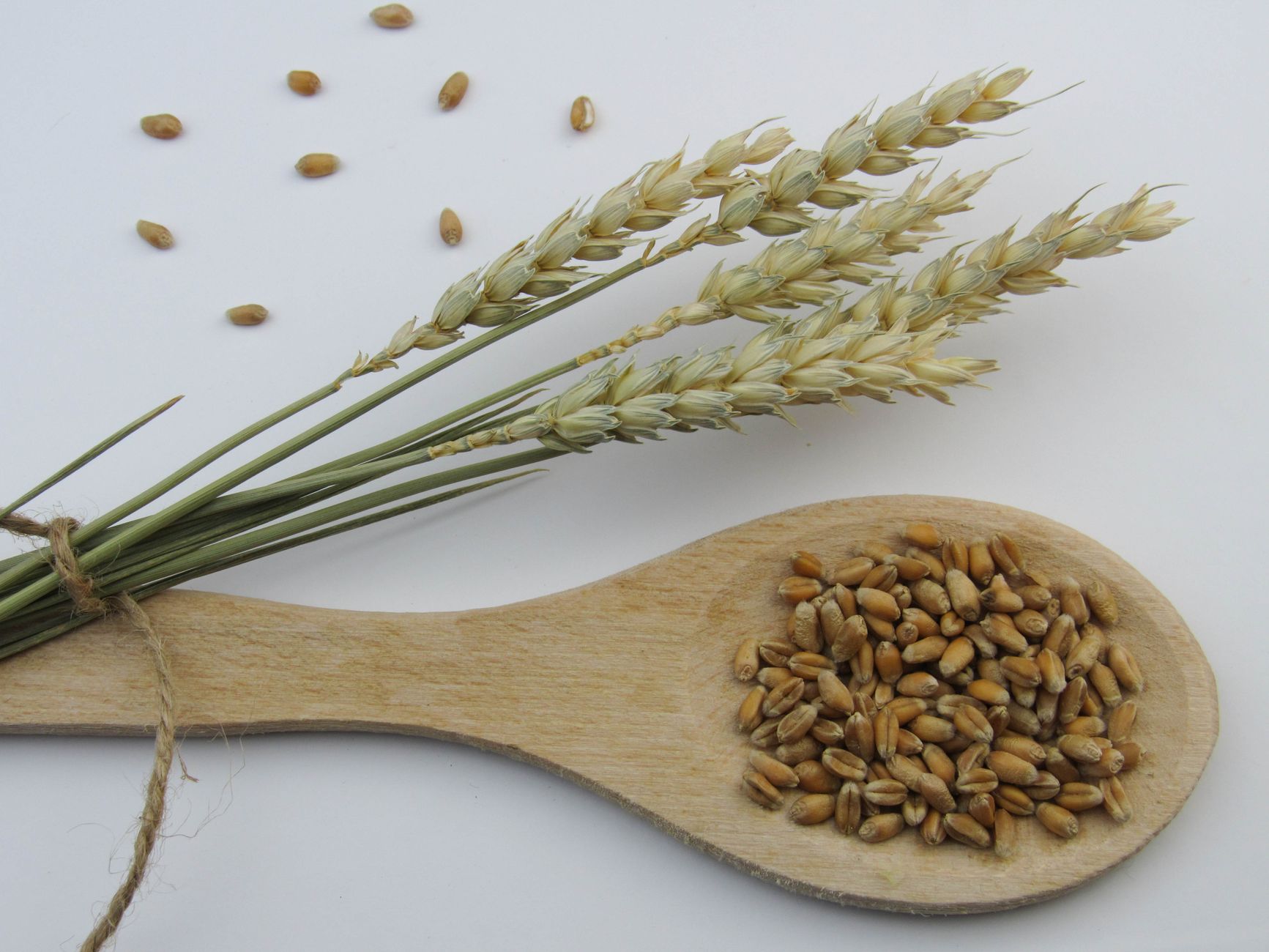
Whole grain intake of 60 to 100 grams daily is linked to significant gains in heart health markers. This new research highlights the importance of whole grains in our diets.
Understanding Whole Grain Intake
Whole grain intake has gained attention for its potential benefits in promoting heart health. Research indicates that consuming between 60 to 100 grams of whole grains daily may positively influence cardiovascular health markers. Whole grains include foods such as brown rice, whole wheat bread, oats, and quinoa, which are rich in essential nutrients and fiber.
The benefits of whole grain intake extend beyond heart health, as they are linked to improved digestion and better weight management. When incorporated into a balanced diet, whole grains can help lower cholesterol levels and reduce the risk of heart disease.
In addition to their heart-healthy properties, whole grains are associated with a lower risk of chronic diseases. To maximize these benefits, individuals are encouraged to choose whole grain options over refined grains. By making simple dietary changes, one can increase their whole grain intake and support overall health.
- Promotes heart health
- Improves digestion
- Supports weight management
The Link Between Grains and Heart Health
Recent studies highlight the significant connection between whole grain intake and improved heart health. Research suggests that consuming between 60 to 100 grams of whole grains daily can lead to favorable changes in various heart health markers.
These grains are rich in essential nutrients and dietary fiber, which contribute to lowering cholesterol levels and reducing blood pressure. According to experts, including whole grains in your diet may also help regulate blood sugar levels, providing additional protection against cardiovascular diseases.
Key benefits associated with whole grain intake include:
- Reduced risk of heart disease: Regular consumption is linked to a lower risk of developing heart-related conditions.
- Improved cholesterol levels: Whole grains help to maintain healthier cholesterol profiles.
- Better blood pressure control: They can assist in keeping blood pressure within a normal range.
Incorporating whole grains into your meals can be a simple yet effective strategy for enhancing heart health.
Daily Recommendations for Whole Grains
To reap the heart health benefits associated with whole grain intake, experts recommend incorporating a specific amount into your daily diet. The general guideline suggests consuming between 60 to 100 grams of whole grains each day. This amount can significantly contribute to improved cardiovascular markers.
Here are some easy ways to meet your daily whole grain intake:
- Start your day with whole grain breakfast: Choose oats or whole grain cereals.
- Opt for whole grain breads: Look for options that list whole grains as the first ingredient.
- Include whole grains in meals: Incorporate quinoa, brown rice, or barley into salads and side dishes.
- Snack smart: Choose whole grain crackers or popcorn for a healthier snack option.
By making these small adjustments, you can easily achieve the recommended whole grain intake and support your heart health over time.
Health Benefits of Whole Grains
Whole grain intake is associated with numerous health benefits, particularly for heart health. Studies indicate that incorporating a variety of whole grains into the diet can lead to significant improvements in cardiovascular outcomes. The benefits are attributed to the rich nutrient profile of whole grains, which includes:
- High fiber content: This aids in lowering cholesterol levels and improving digestion.
- Antioxidants: Whole grains are packed with antioxidants that combat inflammation and oxidative stress.
- Essential vitamins and minerals: Nutrients such as magnesium and B vitamins support overall heart function.
Furthermore, a whole grain intake of 60 to 100 grams daily has been linked to favorable changes in heart markers, such as reduced blood pressure and improved lipid profiles. These findings underscore the importance of incorporating whole grains into daily meals to promote heart health and overall well-being. By prioritizing whole grains, individuals can take proactive steps towards a healthier lifestyle.
Research Findings on Heart Markers
Recent studies have highlighted significant correlations between whole grain intake and improved heart health markers. Researchers have found that consuming 60 to 100 grams of whole grains daily can lead to notable benefits in cardiovascular health. These findings emphasize the importance of incorporating whole grains into one’s diet as a preventive measure against heart disease.
In a comprehensive analysis, participants who adhered to these recommended levels exhibited:
- Lower levels of LDL cholesterol, often referred to as “bad” cholesterol, which is a major contributor to heart disease.
- Reduced blood pressure, a critical marker for cardiovascular health.
- Improved inflammatory markers, which are linked to chronic diseases, including heart conditions.
These findings reinforce the idea that increasing whole grain intake can serve as a vital step toward enhancing heart health and reducing the risk of cardiovascular diseases.
Tips for Increasing Whole Grain Consumption
Increasing your whole grain intake can significantly benefit your heart health. Here are some practical tips to help you incorporate more whole grains into your diet:
- Start your day with whole grains: Opt for whole grain cereals, oatmeal, or whole grain toast for breakfast.
- Choose whole grain bread: When making sandwiches, select whole grain bread instead of white bread to boost your fiber intake.
- Explore whole grain options: Replace refined pasta and rice with whole grain varieties, such as whole wheat pasta and brown rice.
- Snack wisely: Choose snacks like popcorn (made from whole grains) or whole grain crackers for a healthier option.
- Experiment with grains: Try lesser-known whole grains like quinoa, barley, or farro in your meals for added flavor and nutrients.
By making these simple changes, you can easily increase your whole grain consumption and enhance your overall heart health.
Photo by Karyna Panchenko on Pexels