Navigating The Waters: What Steers A Sailboat
What steers a sailboat? The answer lies in the delicate balance between wind and water. The sail acts as the engine, harnessing the power of the wind to propel the boat forward. Meanwhile, the rudder serves as the steering wheel, guiding the boat’s course through the water. Together, wind, sail, and rudder dance in harmony, creating a symphony of motion that allows the sailor to navigate the seas with grace and skill. Understanding the dynamics of these elements is the key to mastering the art of sailing.

What Steers a Sailboat: Understanding the Magic of Sailing
Have you ever wondered how a sailboat glides gracefully through the water, propelled by wind alone? In this article, we’ll delve into the fascinating world of sailing and uncover the secrets behind what steers a sailboat. Get ready to embark on a journey of discovery as we explore the mechanics, science, and art of sailing!
The Basics of a Sailboat
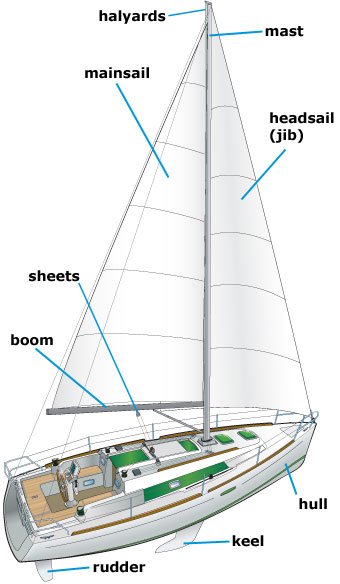
Before we unravel the mystery of what steers a sailboat, let’s first understand the basic components of a sailboat. A typical sailboat consists of a hull, mast, sails, keel, and rudder. The hull is the main body of the boat, providing buoyancy and stability in the water. The mast is a vertical pole that supports the sails, which capture the power of the wind. The keel is a weighted structure underneath the boat that helps to prevent it from tipping over. And finally, the rudder is a movable flap located at the stern (back) of the boat, responsible for steering.
The Forces of Sailing
At the heart of sailing are the forces of nature – wind and water. When the wind fills the sails, it creates a force called lift, which propels the boat forward. The shape of the sails and the angle at which they are set determine how efficiently the wind can be harnessed for propulsion. The keel counters the lateral force of the wind, preventing the boat from sliding sideways and allowing it to move forward.
How Sails Work
The science behind how sails work is truly remarkable. When the wind blows against the sails, it creates a pressure difference – higher pressure on one side and lower pressure on the other. This pressure difference generates a force that pushes the boat in the direction the sails are angled. By adjusting the angle of the sails to the wind, sailors can control the speed and direction of the boat.
Steering with the Rudder
While the sails provide the power for propulsion, it is the rudder that allows sailors to steer the boat. The rudder is connected to a tiller or a wheel in the cockpit, which the sailor uses to turn the rudder left or right. When the rudder changes direction, it creates a force in the water that turns the boat in the desired direction. By combining the forces of the sails and the rudder, sailors can navigate the waters with precision and skill.
Types of Sailboats
There are various types of sailboats, each designed for different purposes and sailing conditions. From dinghies and catamarans to sloops and schooners, the world of sailboats is diverse and exciting. Depending on the size, shape, and rigging of a sailboat, the way it steers and handles will vary. Whether you’re racing in a high-performance dinghy or cruising leisurely on a majestic schooner, understanding how to steer your sailboat is essential for a safe and enjoyable sailing experience.
Wind Patterns and Navigation
As any seasoned sailor will tell you, understanding wind patterns and navigation is crucial for successful sailing. Different wind directions and strengths can impact how a sailboat maneuvers through the water. By learning how to read the wind, sailors can optimize their sail trim and course to make the most of the available wind power. Navigation skills, such as plotting a course, reading charts, and using navigational aids, are also key components of safe and effective sailing.
Using Weather to Your Advantage
Weather plays a significant role in sailing, influencing wind conditions, wave patterns, and visibility on the water. By keeping a close eye on weather forecasts and understanding how weather systems impact sailing, sailors can plan their trips accordingly and stay safe while at sea. Knowing when to sail and when to seek shelter can mean the difference between a smooth voyage and encountering rough seas.
So, what steers a sailboat? It’s a beautiful blend of art, science, and nature working together in harmony. From the power of the wind in the sails to the precision of the rudder in steering, sailing is a magical experience that captivates sailors of all ages. Whether you’re a seasoned sailor or a novice explorer, the thrill of harnessing the wind’s energy to propel you across the water is an unparalleled sensation. So next time you see a sailboat gliding gracefully on the horizon, remember the intricate dance of forces that steer it on its voyage through the open seas.
Self steer vs Autopilot. Which do you need? | Sailing Lifestyle |™Sailing Yacht Ruby Rose – OFFICIAL
Frequently Asked Questions
What are the main elements that steer a sailboat?
The main elements that steer a sailboat are the rudder and the sails. The rudder is the primary steering mechanism, controlling the direction of the boat by turning left or right. The sails also play a crucial role in steering as they harness the power of the wind to propel the boat forward and influence its course.
How does the rudder help in steering a sailboat?
The rudder, typically located at the stern of the boat, is a flat piece that can be turned side to side. When the rudder is turned, it creates resistance in the water, which redirects the boat in the desired direction. By adjusting the angle of the rudder, sailors can control the course of the sailboat.
Can the sails alone steer a sailboat?
While the sails are essential for propelling a sailboat forward, they cannot steer the boat on their own. The sails work in conjunction with the rudder to control the direction of the boat. By adjusting the position of the sails relative to the wind and the boat’s course, sailors can optimize the steering of the sailboat.
Final Thoughts
When it comes to what steers a sailboat, the key player is the rudder. This pivotal component, controlled by the tiller or wheel, directs the boat’s course. Understanding how the rudder works in conjunction with the wind is crucial for successful sailing. By manipulating the rudder effectively, sailors can navigate the waters with precision and skill. Ultimately, mastering the art of steering a sailboat is essential for a safe and enjoyable sailing experience.