Understanding The Purpose Of Pool Salt: What Is Pool Salt Used For
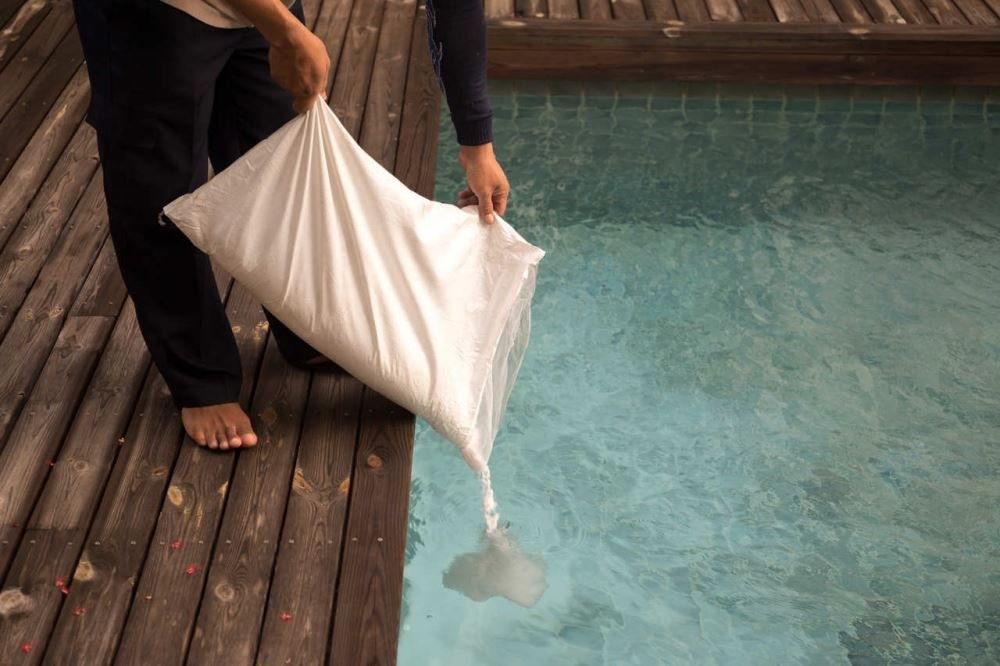
Pool salt is a key essential for maintaining a clean and safe swimming environment. It is used to generate chlorine through the process of electrolysis, which helps sanitize the water by killing harmful bacteria and algae. This natural approach reduces the need for harsh chemicals, making it a popular choice for eco-conscious pool owners. Understanding what pool salt is used for can transform your pool maintenance routine for the better. Let’s dive deeper into the benefits and proper usage of this versatile product.

What is Pool Salt Used For?
Welcome to our comprehensive guide on pool salt and its various uses. If you’re a pool owner or considering installing a pool, you may have heard about pool salt but aren’t quite sure what it’s used for. In this article, we will dive deep into the world of pool salt and explore its benefits and applications in maintaining a clean and refreshing swimming pool environment.
The Basics of Pool Salt
Pool salt, also known as pool salt chlorinator, is a specialized type of salt specifically designed for use in swimming pools. Unlike traditional table salt, pool salt is formulated to be safe for pool systems and can help in sanitizing the pool water by producing chlorine through a process known as electrolysis.
Sanitizing Your Pool
One of the primary uses of pool salt is for sanitizing pool water. Chlorine is an essential component in maintaining a clean and bacteria-free swimming pool. Pool salt works in conjunction with a salt chlorinator system to produce chlorine, which helps kill bacteria, algae, and other contaminants in the water.
By adding pool salt to your pool water, the salt chlorinator will convert it into chlorine through electrolysis. This process ensures that your pool water remains safe and hygienic for swimming, providing a crystal-clear and inviting environment for you and your family.
Benefits of Using Pool Salt
1. Cost-Effective
Compared to traditional chlorine tablets or liquid chlorine, pool salt is a cost-effective option for pool maintenance. Once you have the initial setup of a salt chlorinator system in place, you only need to add pool salt periodically to keep your pool water sanitized.
2. Gentle on Skin and Eyes
Many swimmers prefer pool salt over traditional chlorine due to its milder effects on the skin and eyes. Pool salt chlorinated water is softer and less harsh, making it more comfortable for swimmers, especially those with sensitive skin or allergies.
3. Low Maintenance
Pool salt chlorinators are known for their low maintenance requirements. Once set up correctly, the system can efficiently regulate chlorine levels in the pool water, reducing the need for constant monitoring and adjustment.
How to Use Pool Salt
Using pool salt in your swimming pool is a straightforward process. Here’s a step-by-step guide to help you get started:
1. Check Your Pool’s Salt Levels
Before adding pool salt, it’s essential to check your pool’s salt levels using a salt testing kit. The ideal salt concentration for most saltwater pools is around 3000-4000 parts per million (ppm).
2. Add the Required Amount of Pool Salt
Based on your pool size and current salt levels, calculate the amount of pool salt needed to reach the desired concentration. Follow the manufacturer’s instructions for adding the salt to your pool water.
3. Allow the Salt to Dissolve
After adding the pool salt, allow sufficient time for it to dissolve completely in the pool water. This process may take a few hours, depending on the circulation and filtration system of your pool.
4. Monitor Chlorine Levels
Once the pool salt has dissolved, monitor the chlorine levels in your pool using a pool water testing kit. Adjust the salt chlorinator settings if necessary to maintain the recommended chlorine levels.
Common Myths About Pool Salt
As with any pool maintenance topic, there are several myths and misconceptions surrounding the use of pool salt. Let’s debunk some of the common myths about pool salt:
Myth #1: Pool Salt Makes the Water Salty
Contrary to popular belief, properly balanced pool salt chlorinated water should not taste salty like seawater. The salt concentration in a saltwater pool is relatively low and equivalent to a teardrop, making it barely perceptible to swimmers.
Myth #2: Saltwater Pools Don’t Need Chlorine
While saltwater pools use chlorine generated from pool salt, they still require chlorine to sanitize the water effectively. The chlorine produced through electrolysis in a salt chlorinator system performs the same function as traditional chlorine, just in a milder form.
In conclusion, pool salt is a versatile and efficient solution for maintaining a clean and healthy swimming pool environment. By understanding the uses and benefits of pool salt, you can make informed decisions about incorporating it into your pool maintenance routine. Whether you’re looking for cost-effective sanitization, gentler water quality, or reduced maintenance, pool salt has you covered. Embrace the power of pool salt and enjoy a refreshing swimming experience all season long!
We hope this guide has shed light on the question, “What is pool salt used for?” If you have any further queries or would like to share your experiences with pool salt, feel free to leave a comment below. Happy swimming!
Salt Water Pool Maintenance for Beginners
Frequently Asked Questions
What are the benefits of using pool salt?
Pool salt is primarily used to sanitize swimming pools, as it helps to kill bacteria and prevent algae growth. It is a more natural alternative to traditional chlorine, providing a gentler swimming experience without the harsh chemical smell.
How much pool salt should I add to my pool?
The amount of pool salt needed depends on the size of your pool and the manufacturer’s guidelines. It is important to follow the instructions provided on the packaging or consult with a professional to ensure the right balance for optimal sanitization.
Can pool salt be used in all types of pools?
Pool salt is suitable for use in most types of pools, including above-ground, in-ground, and saltwater pools. However, it is essential to check with your pool manufacturer to ensure compatibility and to prevent any potential damage to pool equipment.
How often should I add pool salt to my pool?
The frequency of adding pool salt to your pool depends on various factors such as usage, weather conditions, and water quality. Regular testing of the salt levels and following a maintenance schedule will help you determine when to add more salt to keep your pool properly sanitized.
Final Thoughts
To conclude, pool salt is primarily used to generate chlorine in saltwater pools for effective sanitization. This eliminates the need for traditional chlorine chemicals, offering a more gentle and environmentally friendly swimming experience. By adding pool salt to the water, a natural electrolysis process occurs, producing chlorine to keep the pool clean and safe. Overall, pool salt is an essential component for maintaining a well-balanced and enjoyable swimming environment.