Exploring The Delicacy: What Is Beef Honeycomb Tripe
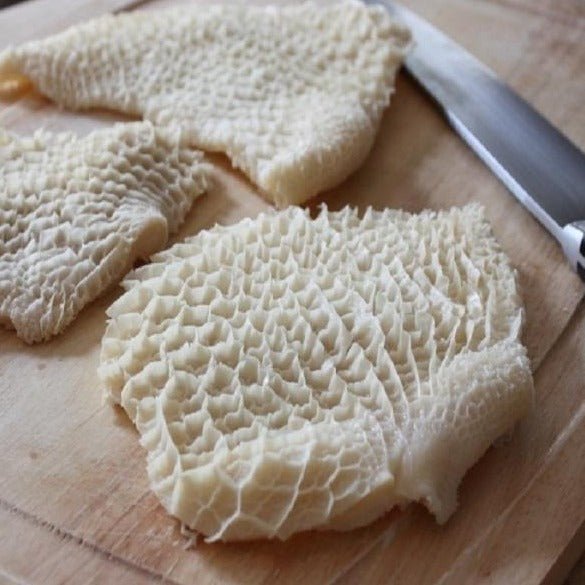
Beef honeycomb tripe, also known as “panse,” is a delicacy loved by many around the world. This unique cut of beef comes from the lining of the cow’s stomach and boasts a distinctive honeycomb-like pattern. Wondering what is beef honeycomb tripe and how it is used in culinary creations? Look no further for an exploration of this tender and flavorful ingredient that adds depth to dishes. Whether stewed, grilled, or fried, beef honeycomb tripe offers a rich and satisfying culinary experience for adventurous food enthusiasts.

What is Beef Honeycomb Tripe?
Welcome, food enthusiasts! Today, we are diving into the fascinating world of beef honeycomb tripe. You might have heard about this unique ingredient in various recipes or seen it on the menu at your favorite restaurant. But what exactly is beef honeycomb tripe? Let’s embark on a culinary journey to uncover the secrets of this intriguing delicacy.
The Basics of Beef Honeycomb Tripe
Beef honeycomb tripe is a type of offal that comes from the stomach lining of cows. It is known for its distinct honeycomb-like pattern, which gives it its name. Tripe has been a part of culinary traditions around the world for centuries, prized for its unique texture and flavor.
Texture and Appearance
When raw, beef honeycomb tripe may appear pale and slightly rubbery. However, once cooked, it transforms into a tender and chewy delicacy with a subtle hint of natural sweetness. The honeycomb pattern on the tripe’s surface adds a visually appealing touch to dishes.
Flavor Profile
Beef honeycomb tripe has a mild flavor that tends to absorb the seasonings and spices it is cooked with. It can take on savory, spicy, or even tangy flavors, making it a versatile ingredient in various cuisines.
Historical Significance of Tripe
Throughout history, tripe has been a staple in many cultures due to its affordability and rich nutritional value. In ancient times, it was often consumed as a way to make use of the entire animal and minimize waste. Tripe dishes have evolved over time, becoming beloved comfort foods in different parts of the world.
Global Culinary Uses
From Italian lampredotto sandwiches to Mexican menudo soup, beef honeycomb tripe appears in a wide range of traditional dishes. Each culture has its unique way of preparing and enjoying tripe, showcasing the ingredient’s versatility in the culinary world.
Cooking with Beef Honeycomb Tripe
While some may feel hesitant to cook with tripe due to its unusual nature, it can be a rewarding ingredient to work with once you understand how to prepare it properly. Tripe requires thorough cleaning and cooking to achieve the desired tenderness and flavor.
Preparation Techniques
Before cooking beef honeycomb tripe, it is crucial to clean and blanch it to remove any impurities and reduce its gamy aroma. Once cleaned, tripe can be simmered in flavorful broths, stir-fried with aromatic spices, or even grilled for a crispy texture.
Recipe Inspiration
Whether you want to try a classic tripe stew or experiment with fusion flavors, there are countless recipes that showcase the versatility of beef honeycomb tripe. From hearty soups to spicy stir-fries, tripe can add a unique twist to your culinary creations.
Health Benefits of Beef Honeycomb Tripe
Despite its reputation as an unconventional ingredient, beef honeycomb tripe offers various health benefits. Rich in protein, vitamins, and minerals, tripe can be a nutritious addition to your diet when consumed in moderation.
Nutritional Value
Beef honeycomb tripe is an excellent source of protein, essential for muscle growth and repair. It also contains significant amounts of iron, zinc, and B vitamins, supporting overall health and well-being.
Digestive Benefits
Tripe is known for its digestive benefits, as it is easy to digest and may support gut health. The collagen and gelatin found in tripe can aid in digestion and promote a healthy gut microbiome.
Exploring Culinary Diversity with Beef Honeycomb Tripe
As you venture into the world of beef honeycomb tripe, you will discover a treasure trove of culinary experiences waiting to be explored. Whether you savor a comforting bowl of tripe soup or delight in a spicy tripe curry, this unique ingredient offers a gateway to diverse flavors and cultural traditions.
Next time you come across beef honeycomb tripe on a menu or at the market, don’t shy away from trying something new. Embrace the opportunity to broaden your culinary horizons and savor the rich history and flavors that tripe has to offer.
So, are you ready to embark on a tripe-tastic adventure? Grab your apron and get ready to explore the world of beef honeycomb tripe—one delicious bite at a time!
How To Clean Beef Honeycomb Tripe (Babat)
Frequently Asked Questions
What is beef honeycomb tripe?
Beef honeycomb tripe is a type of edible offal that comes from the stomach lining of a cow. It is known for its distinct appearance, having a honeycomb-like pattern on its surface. This type of tripe is commonly used in various cuisines around the world, prized for its unique texture and ability to absorb flavors from the dishes it is cooked in.
How is beef honeycomb tripe prepared?
To prepare beef honeycomb tripe for cooking, it needs to be cleaned thoroughly to remove any remaining debris or impurities. This often involves soaking the tripe in water with vinegar or lemon juice to help eliminate any unwanted odors. Once cleaned, the tripe can be boiled, simmered, or braised until tender, typically in a broth or sauce to enhance its flavor.
What does beef honeycomb tripe taste like?
Beef honeycomb tripe has a mild flavor that is often described as slightly sweet and earthy. The texture of tripe is unique as it becomes tender when cooked properly, with a slightly chewy and gelatinous quality. The taste of beef honeycomb tripe can vary depending on the cooking method and seasonings used.
Final Thoughts
Beef honeycomb tripe is a type of offal that comes from the stomach of a cow. It is known for its unique texture and ability to absorb flavors well. When cooked properly, it becomes tender and delicious, making it a popular ingredient in various cuisines globally. Whether stewed, braised, or grilled, beef honeycomb tripe offers a rich and savory taste that many enjoy. So next time you come across a dish featuring beef honeycomb tripe, don’t hesitate to give it a try and savor its distinctive flavor.