How What Goes In The Ocean Goes In You: Impact Explained
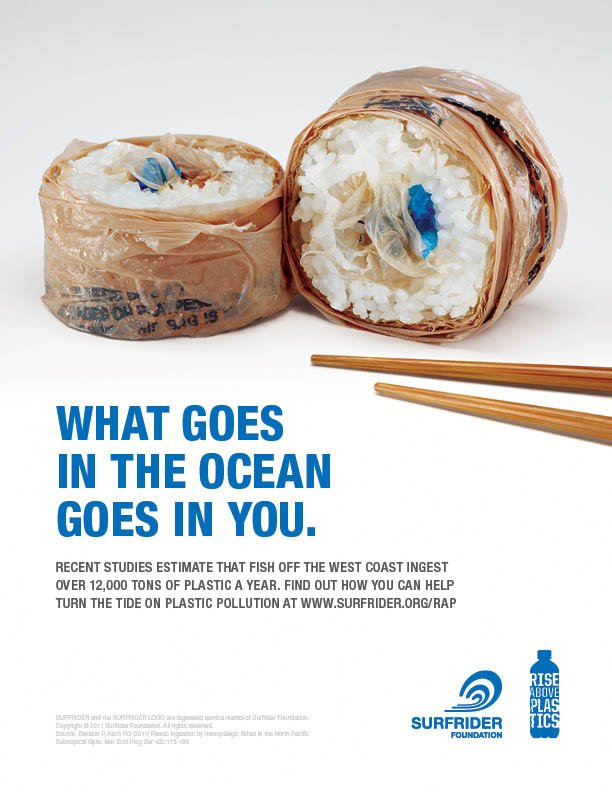
Plastic waste, chemicals, and pollutants – what goes in the ocean goes in you. Our seas teem with life, yet they are also a reflection of our actions. Whether it’s a discarded bottle or a harmful toxin, the ocean absorbs it all. The impact is not limited to marine life; it creeps back into our own lives through the food we eat and the water we drink. It’s time to confront this reality, as the health of the ocean is intricately linked to our own well-being.

Understanding How “What Goes in the Ocean Goes in You”
The Connection Between Oceans and Humans
Have you ever thought about what happens to all the waste and trash that ends up in the ocean? Well, it turns out that the things we throw away or let enter the ocean can have a direct impact on us. Yes, that’s right – what goes in the ocean goes in you!
Plastic Pollution: A Major Concern
One of the biggest issues facing our oceans today is plastic pollution. Plastics take hundreds of years to break down, and in the meantime, they pose a serious threat to marine life. Sea creatures like turtles, fish, and seabirds can mistake plastic for food, leading to ingestion and potential harm.
Microplastics: The Tiny Trouble
Even smaller pieces of plastic, known as microplastics, are a growing concern. These tiny particles come from the breakdown of larger plastic items and products like microbeads in personal care products. When these microplastics enter the ocean, they can be ingested by marine animals and eventually work their way up the food chain.
Chemical Contamination: A Silent Danger
Aside from plastics, the ocean also faces chemical contamination from various sources like industrial runoff and agricultural waste. These chemicals can accumulate in marine organisms and, ultimately, in the seafood we consume. Some of these chemicals may be harmful to human health, highlighting the direct link between what goes in the ocean and its impact on us.
The Importance of Sustainable Practices
To address the issue of what goes in the ocean goes in you, it’s crucial for us to adopt sustainable practices in our daily lives. By reducing the use of single-use plastics, properly disposing of waste, and supporting eco-friendly products, we can help protect our oceans and ourselves.
Protecting Our Oceans, Protecting Ourselves
In conclusion, the concept of what goes in the ocean goes in you serves as a powerful reminder of the interconnectedness between humans and the environment. By taking steps to reduce pollution, promote conservation, and raise awareness about the health of our oceans, we can ensure a safer and healthier future for both marine life and ourselves. Let’s work together to make a positive difference and protect the ocean that sustains us all.
What Goes In The Ocean Goes In You
Frequently Asked Questions
What are the potential risks of consuming seafood contaminated with ocean pollutants?
Consuming seafood contaminated with ocean pollutants can pose health risks to humans. Pollutants such as heavy metals, microplastics, and industrial chemicals can accumulate in fish and shellfish, potentially causing harm to individuals who consume them. It is important to be cautious about the sources of seafood and opt for sustainably sourced options to minimize exposure to harmful contaminants.
How do ocean pollutants enter the food chain and affect human health?
Ocean pollutants enter the food chain through a process called bioaccumulation. Contaminants accumulate in marine organisms as they consume contaminated food or water, leading to higher concentrations of pollutants in larger predatory species. When humans consume these contaminated marine organisms, they may ingest harmful substances that can negatively impact their health over time. It is essential to be aware of the potential risks associated with consuming seafood from contaminated ocean environments.
What steps can individuals take to reduce their exposure to ocean pollutants through seafood consumption?
Individuals can take several steps to reduce their exposure to ocean pollutants through seafood consumption. One way is to choose seafood that is sustainably sourced and harvested from clean waters. Additionally, staying informed about seafood advisories and avoiding species known to accumulate higher levels of contaminants can help minimize the risk of ingesting harmful substances. Properly cooking seafood can also help reduce the presence of certain contaminants.
Final Thoughts
What goes in the ocean goes in you. Our careless disposal of waste directly impacts marine life. Plastics break down into microplastics, entering the food chain and ultimately reaching our plates. By protecting the ocean, we safeguard our health. Let’s be mindful of our actions to ensure a clean and healthy environment for all.