

Best Wire Gauge For 12V: Complete Guide
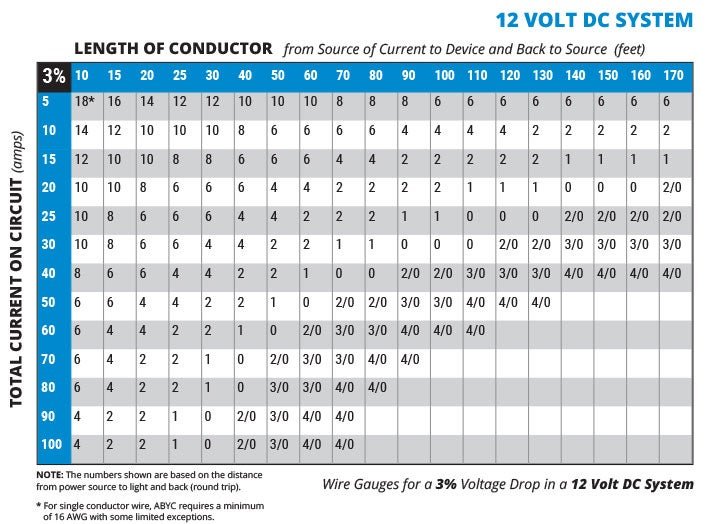
For a 12V system, the recommended wire gauge is crucial. The answer is simple: to determine what gauge wire for 12V, you must consider the distance and current requirement. Using the right wire gauge ensures optimal performance and safety. Incorrect sizing can lead to voltage drop and potential hazards. Let’s delve into the specifics of choosing the appropriate wire gauge for your 12V setup to maximize efficiency and reliability.

What Gauge Wire Is Best for 12V Systems: A Comprehensive Guide
Welcome to our detailed guide on choosing the right wire gauge for your 12V systems! Whether you’re a beginner in the world of electronics or a seasoned DIY enthusiast, understanding the importance of selecting the correct wire gauge is crucial for the performance and safety of your electrical projects. In this article, we will delve into the key factors that determine the appropriate wire gauge for 12V applications, providing you with the knowledge you need to make informed decisions.
The Basics of Wire Gauge
Before we jump into specific recommendations for 12V systems, let’s start by exploring the fundamentals of wire gauge. The gauge of a wire refers to its diameter or thickness, with lower gauge numbers indicating thicker wires. In the world of electrical wiring, choosing the right wire gauge is essential to ensure that the wire can safely carry the desired amount of current without overheating.
Understanding 12V Systems
12V systems are commonly used in automotive, marine, and RV applications, as well as in various DIY projects. When working with 12V systems, it’s important to consider the voltage drop over the length of the wire, as well as the maximum current that the wire will need to handle. Using the appropriate wire gauge will help minimize voltage drop and prevent issues such as overheating and electrical fires.
Choosing the Right Wire Gauge
So, what gauge wire should you use for your 12V systems? The answer depends on several factors, including the length of the wire run, the maximum current draw of the system, and the type of application. In general, thicker wires (lower gauge numbers) are capable of carrying more current over longer distances without significant voltage drop.
Wire Gauge Chart for 12V Systems
Here’s a handy reference chart that outlines the recommended wire gauges for various amperage ratings in 12V systems:
| Amperage | Wire Gauge |
|---|---|
| Up to 5A | 20 AWG |
| 5-10A | 18 AWG |
| 10-15A | 16 AWG |
| 15-20A | 14 AWG |
| Above 20A | 12 AWG or lower |
Calculating Voltage Drop
When selecting the appropriate wire gauge for your 12V system, it’s essential to consider the voltage drop that occurs as current flows through the wire. Voltage drop can lead to decreased performance and efficiency in your electrical system. To calculate the voltage drop, you can use online calculators or formulas that take into account the wire length, current draw, and wire gauge.
Additional Tips for Choosing Wire Gauge
Here are some additional tips to keep in mind when selecting the right wire gauge for your 12V systems:
- Always choose a wire gauge that can safely handle the maximum current expected in your system.
- Avoid using wire gauges that are too thin, as they can lead to voltage drop and overheating.
- Consider the environmental conditions in which the wire will be installed, as certain factors like temperature can affect the wire’s performance.
- If in doubt, opt for a thicker wire gauge to ensure reliable and safe operation of your 12V system.
Choosing the right wire gauge for your 12V systems is a crucial step in ensuring the efficiency and safety of your electrical projects. By considering factors such as wire length, current draw, and voltage drop, you can make informed decisions that will help optimize the performance of your 12V systems. Remember to refer to wire gauge charts, calculate voltage drop, and follow best practices when selecting wire gauges for your projects. With the right knowledge and attention to detail, you can create reliable and high-performing 12V electrical systems for a wide range of applications.