Hyundai price hike: Minor increase up to ₹8,000 announced
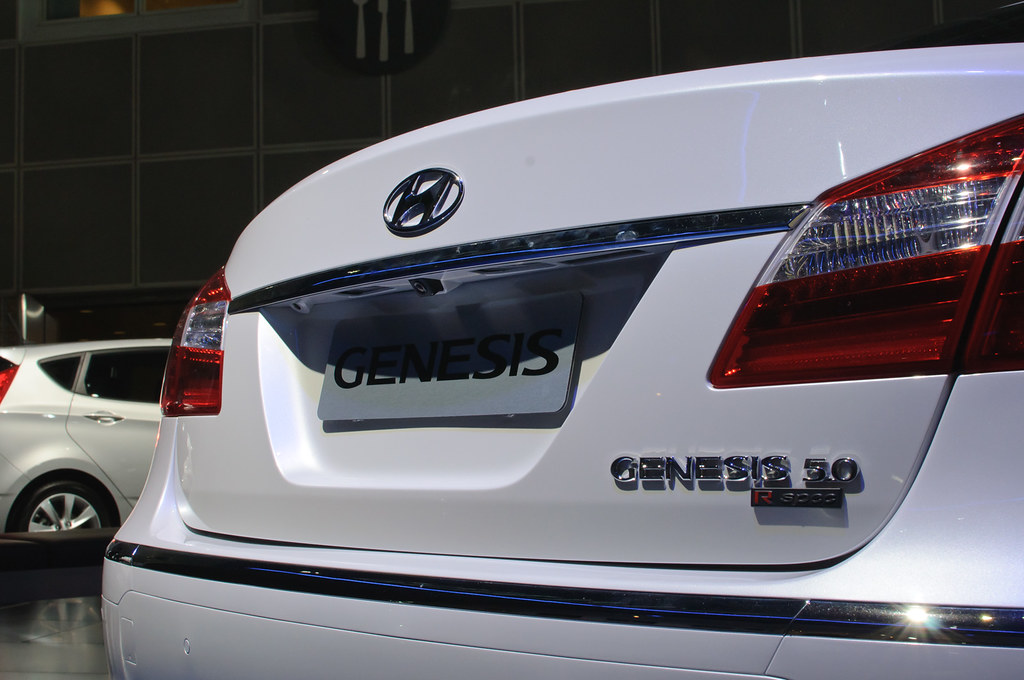
Hyundai price hike has been announced, with adjustments up to ₹8,000 effective from December 1, 2026. This change affects various models across the lineup.
Overview of the Price Hike
Hyundai Motor India has officially announced a minor price hike for its range of vehicles, effective from December 1, 2026. This decision comes as part of the company’s strategy to adjust to rising costs while maintaining its competitive edge in the automotive market.
The price increase will be up to ₹8,000 depending on the model, impacting several popular offerings in Hyundai’s lineup. This modest hike aims to balance the fluctuating costs of materials and production without placing a significant burden on consumers.
Hyundai’s commitment to quality and customer satisfaction remains a priority, as they seek to ensure that the value offered to customers is not compromised. The company encourages potential buyers to take advantage of current pricing before the new rates come into effect.
As the automotive industry continues to evolve, this Hyundai price hike reflects broader market trends and challenges faced by manufacturers in today’s economic landscape.
Impact on Hyundai Models
The recent Hyundai price hike is expected to have varying effects across its model lineup. The increase, effective from December 1, 2026, ranges from ₹1,000 to ₹8,000, depending on the model. This adjustment aims to address rising production costs while maintaining the brand’s competitive edge in the market.
Among the affected models, the Hyundai Creta sees a price rise of up to ₹6,000, while the popular Hyundai Venue will experience a slight increase of ₹4,000. The Hyundai i20 is also included in this price adjustment, with an increment of ₹5,000.
Customers looking to purchase a Hyundai vehicle may need to act quickly, as the new prices will take effect shortly. Industry experts suggest that this minor price hike could affect purchasing decisions, especially for budget-conscious consumers.
Overall, while the Hyundai price hike is modest, it signals the brand’s ongoing efforts to adapt to economic pressures.
Reasons Behind the Price Adjustment
The recent Hyundai price hike has been attributed to several factors that the automaker has deemed necessary in order to maintain its competitive edge in the market.
One of the primary reasons behind this adjustment is the increasing costs of raw materials, which have impacted the overall production expenses for manufacturers worldwide. Additionally, Hyundai aims to enhance its technology and safety features across its model range, further justifying the need for a price increase.
Another contributing factor is the ongoing fluctuations in the exchange rates, which have affected import costs for various components and parts used in production. This situation compels the company to reassess its pricing strategy to ensure long-term sustainability.
Moreover, Hyundai is focused on adapting to changing consumer demands and regulatory requirements, which may necessitate additional investments in research and development.
- Rising raw material costs
- Investment in technology and safety
- Exchange rate fluctuations
Customer Reactions to the Hike
As news of the Hyundai price hike spreads, customers have taken to social media to express their views. Many buyers shared mixed reactions, with some understanding the necessity of the increase while others voiced their dissatisfaction.
- Supportive Customers: A segment of Hyundai owners acknowledged the rising costs of materials and the overall market trends. They believe that a minor increase, such as this one, is justifiable in the current economic climate.
- Frustrated Buyers: Conversely, several potential buyers have expressed frustration, feeling that even a small hike could push their budget beyond reach. Some commented that they were already stretching their finances to afford their dream car.
- Brand Loyalty: Despite mixed feelings, many long-time Hyundai fans remain loyal to the brand, stating they would continue to support it regardless of the price adjustment.
Overall, the reactions highlight a complex landscape of customer sentiment amid the recent Hyundai price hike.
Comparing Hyundai Prices with Competitors
As the automotive industry continues to evolve, the recent Hyundai price hike has sparked discussions about how their pricing compares to competitors in the market. With the increase of up to ₹8,000 taking effect from December 1, 2026, consumers are keen to evaluate their options.
In the compact SUV segment, Hyundai’s models such as the Creta and Venue face competition from brands like Kia and Maruti Suzuki. Notably:
- Kia Seltos: Pricing starts at ₹10.49 lakh, offering a balance of features and performance.
- Maruti Suzuki Brezza: Starts at ₹7.99 lakh, providing an economical choice for budget-conscious buyers.
- Tata Nexon: With a starting price of ₹8.09 lakh, it emphasizes safety and technology.
These alternatives present potential buyers with competitive pricing, making it crucial for Hyundai to maintain their value proposition despite the recent price hike.
Future Pricing Trends in the Automotive Industry
The recent Hyundai price hike has raised questions about future pricing trends in the automotive industry. Analysts suggest that several factors could influence the prices of vehicles in the coming months.
- Inflationary Pressures: Rising costs of raw materials and logistics may compel manufacturers to adjust their prices further.
- Market Demand: Increased consumer demand for electric and hybrid vehicles could lead to price fluctuations as automakers invest in new technologies.
- Regulatory Changes: Stricter emission regulations might result in additional costs for manufacturers, potentially impacting retail prices.
- Competitive Landscape: As competitors also adjust their pricing strategies, Hyundai may need to remain agile to maintain its market position.
Overall, the automotive industry is likely to see continuous adjustments in vehicle pricing as companies respond to economic conditions and market dynamics, making it essential for consumers to stay informed about trends and changes.
By InSapphoWeTrust via Openverse