Plants That Flower Once: Discover the Unique Beauty
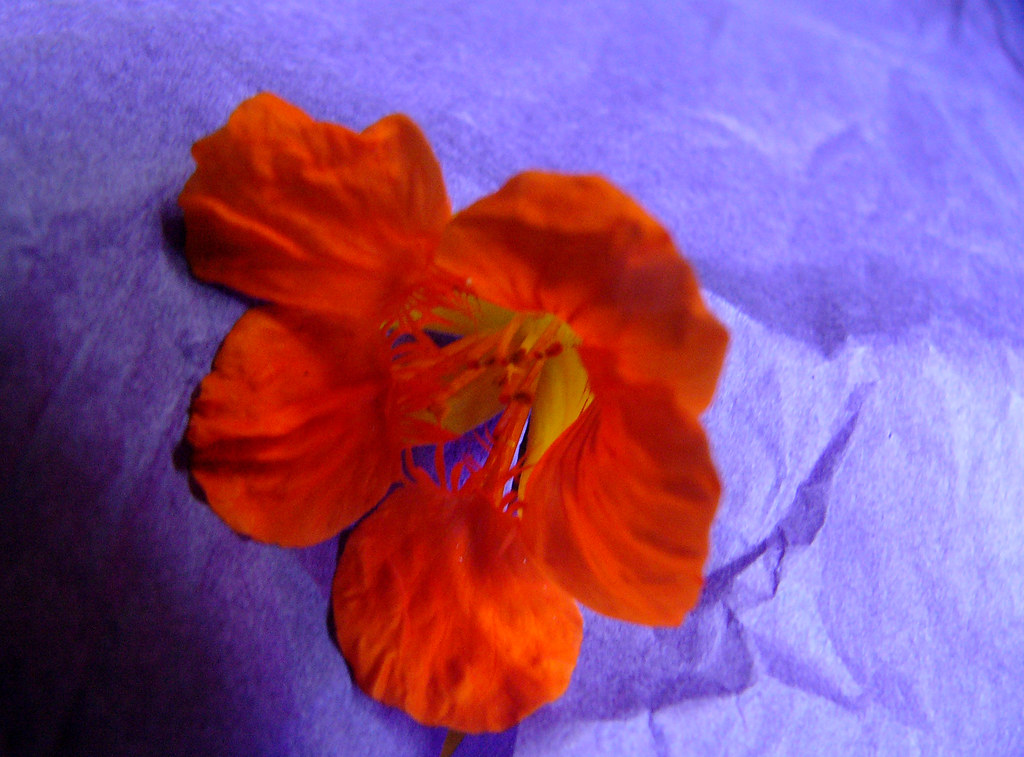
plants that flower once in their lifetime captivate nature lovers and botanists alike. These remarkable species exhibit extraordinary life cycles that culminate in a breathtaking bloom, making them a true wonder of the plant kingdom.
What Are Plants That Flower Once?
Plants that flower once are a unique group of species known for their spectacular yet fleeting displays of beauty. Unlike perennial plants that bloom multiple times throughout their lives, these plants invest all their energy into a single flowering event, often followed by the completion of their life cycle.
This characteristic makes them particularly fascinating to gardeners and botanists alike. The phenomenon can be seen in various environments, from deserts to tropical rainforests. Some species may take years to prepare for this singular moment, creating a dramatic spectacle when they finally bloom.
Examples of plants that flower once include:
- Agave americana – Commonly known as the century plant, it flowers after several decades.
- Dieffenbachia – Known for its striking foliage, it too may bloom just once.
- Murphy’s lily – A stunning sight when it finally flowers.
Their rarity and beauty make them a treasured find for nature enthusiasts.
The Life Cycle of These Unique Plants
The life cycle of plants that flower once is truly captivating. These unique plants, often known as monocarpic plants, dedicate their entire life to producing a single, spectacular bloom before they die. The process begins with a seed that germinates and grows into a mature plant. During its growth phase, the plant focuses on storing energy and nutrients.
Once it reaches maturity, the plant enters a phase of preparation for flowering. This stage can take several years, depending on the species. When the time is right, the plant produces flowers that are often stunning and fragrant, serving to attract pollinators. After pollination, the plant sets seeds and completes its life cycle.
Notable examples of these extraordinary plants include:
- Agave: Known for its striking rosette and tall flower stalks.
- Biennial plants: Such as foxglove, which bloom after two years.
- Some bamboo species: Flowering only once every several decades.
Why Do Some Plants Only Flower Once?
Plants that flower once are fascinating due to their unique reproductive strategies. These plants often invest all their energy into a single flowering event, which can be a spectacular display of blooms. The reasons behind this one-time flowering phenomenon can vary significantly among species.
- Survival Strategy: For some plants, flowering once ensures that they can produce seeds before dying, maximizing their chances of reproduction in a competitive environment.
- Environmental Adaptations: Certain plants have adapted to harsh conditions where a single flowering event aligns with optimal environmental factors like temperature and rainfall.
- Resource Allocation: By focusing their resources on one flowering cycle, these plants can produce a greater number of seeds, which may lead to a higher survival rate for the offspring.
Understanding the reasons why some plants only flower once helps us appreciate the intricate balance of nature and the diverse strategies species employ to thrive.
Famous Examples of Once-Flowering Plants
Exploring the realm of plants that flower once unveils a variety of fascinating species, each with its own unique characteristics. Here are some notable examples:
- Agave Americana – Commonly known as the century plant, it takes about 10 to 30 years to mature before producing a tall flower stalk, after which it dies.
- Bamboo – Certain bamboo species bloom only once every few decades, creating a spectacular display before completing their life cycle.
- Dieffenbachia – Though typically grown for its foliage, this plant can flower once in its lifetime, producing a unique inflorescence.
- Rafflesia arnoldii – Known for producing the world’s largest flower, it only blooms once and emits a strong odor to attract pollinators.
These remarkable plants highlight the beauty and intrigue of nature’s diversity, captivating botany enthusiasts and casual gardeners alike.
How to Care for These Rare Species
Caring for plants that flower once requires a unique approach to ensure their health and vibrant blooms. These rare species thrive in specific conditions, making it essential to understand their needs.
- Soil Requirements: Use well-draining soil that mimics their natural habitat. Many of these plants prefer sandy or loamy soils.
- Light Exposure: Most once-flowering plants need plenty of sunlight. A location that receives full sun for at least six hours a day is ideal.
- Watering: Water these plants deeply but infrequently. Allow the soil to dry out between watering to prevent root rot.
- Fertilization: Use a balanced fertilizer during the growing season to promote healthy growth and blooming.
- Temperature: Ensure they are kept in an environment that matches their native climate, especially during their flowering period.
With the right care, you can enjoy the stunning display of these extraordinary plants that flower once in their lifetime.
The Impact of Climate on Flowering Patterns
The climate plays a crucial role in determining the flowering patterns of plants that flower once. Factors such as temperature, humidity, and seasonal changes can significantly influence when and how these plants bloom.
In regions with harsh climates, some once-flowering plants may adapt by timing their flowering to coincide with short periods of favorable conditions. This adaptation helps maximize their chances of reproduction before they die. In contrast, milder climates may support a different set of strategies, allowing these plants to thrive over longer growing seasons.
- Temperature: Warmer climates can trigger earlier blooming, while colder climates may delay flowering.
- Moisture: Adequate rainfall is essential for the health of these plants, impacting their ability to flower.
- Soil Quality: Nutrient-rich soils can enhance the growth and flowering potential of these unique species.
Understanding the impact of climate on these plants can help in conservation efforts and highlight their unique beauty.
By Kathleen Tyler Conklin via Openverse