Smallest V10 Engine: The Best Proven Powerhouse for Cars
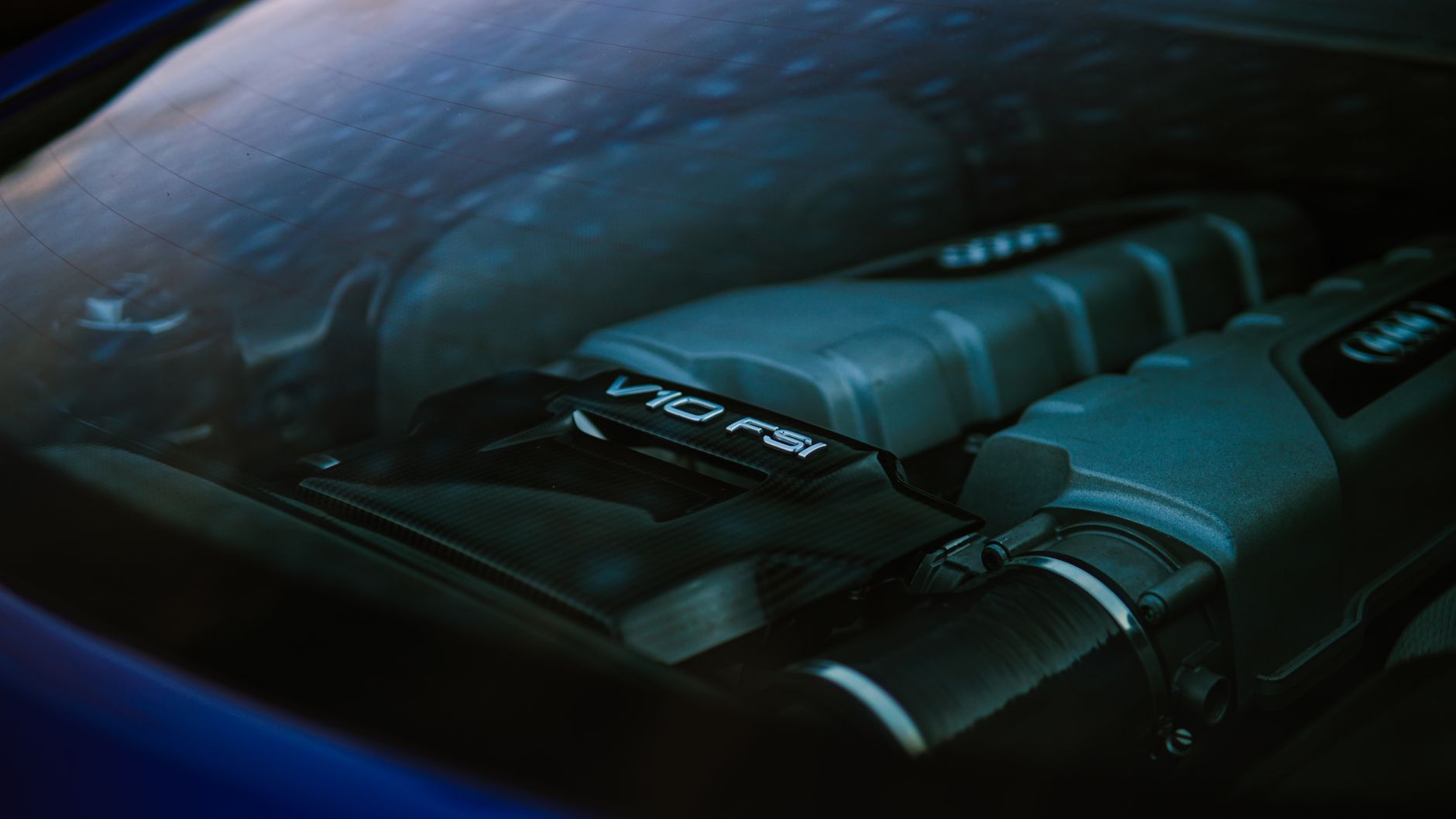
The smallest V10 engine has made headlines for its remarkable size and performance. This innovative engine, comparable to most 4-cylinders, showcases the evolution of automotive technology.
Overview of the Smallest V10 Engine
The smallest V10 engine ever created has made waves in the automotive world, proving that size doesn’t always dictate power. This remarkable engine, which is comparable in size to most 4-cylinder engines, showcases an innovative design that allows for impressive performance while maintaining a compact form.
Engineered for efficiency and speed, the smallest V10 engine offers a unique blend of power and versatility, making it a popular choice among car manufacturers looking to maximize performance without sacrificing space. Its lightweight construction contributes to improved handling and acceleration, appealing to enthusiasts and everyday drivers alike.
Many experts believe this engine could revolutionize the industry, offering a viable alternative to larger, heavier engines. As automakers increasingly focus on sustainability, the smallest V10 engine represents a step towards more environmentally friendly performance options.
In a market that often prioritizes size, this engine challenges the norms, proving that great things can indeed come in small packages.
Comparison to Traditional Engines
The smallest V10 engine represents a significant advancement in automotive engineering, particularly when compared to traditional engines. While conventional engines often rely on larger displacements to achieve power, the compact design of the smallest V10 engine offers impressive performance without the added bulk.
Key differences between the smallest V10 engine and traditional engines include:
- Size: The smallest V10 engine can be as compact as many 4-cylinder engines, making it easier to fit in a variety of vehicle designs.
- Weight: Lighter than most traditional V8 or V6 engines, it enhances vehicle dynamics and fuel efficiency.
- Power Output: Despite its size, the smallest V10 engine can produce power comparable to larger engines, delivering high performance.
- Efficiency: Smaller engines often provide better fuel economy, which is increasingly important for environmentally conscious consumers.
This innovative approach to engine design makes the smallest V10 engine a compelling choice for modern vehicles seeking a blend of power and efficiency.
Performance Metrics of the V10
The smallest V10 engine has garnered attention not only for its compact size but also for its impressive performance metrics. This remarkable engine configuration offers a unique blend of power and efficiency, making it an ideal choice for modern performance vehicles.
One of the standout features of the smallest V10 engine is its ability to deliver high horsepower while maintaining a lightweight profile. Performance benchmarks for this engine often include:
- Power Output: Typically generating between 450 to 600 horsepower, this engine rivals many larger configurations.
- Torque: With torque figures often exceeding 400 lb-ft, it ensures rapid acceleration and dynamic driving experiences.
- Weight Efficiency: Weighing less than many traditional V8 engines, it allows for improved handling and maneuverability.
Furthermore, the smallest V10 engine achieves superior fuel efficiency compared to its larger counterparts, thanks to advanced engineering and design. This makes it not only a powerhouse but also a viable option for eco-conscious drivers.
Engineering Breakthroughs in Automotive Design
The automotive industry has witnessed remarkable engineering breakthroughs, particularly with the development of the smallest V10 engine. This innovative design has redefined power-to-weight ratios, allowing manufacturers to create more efficient and powerful vehicles without compromising performance.
One of the key advancements in this area is the use of lightweight materials, which significantly reduces the engine’s overall mass. Engineers have incorporated advanced alloys and composites that not only enhance durability but also contribute to fuel efficiency. These materials allow the smallest V10 engine to deliver impressive horsepower while maintaining a compact size.
Moreover, the integration of cutting-edge technologies such as variable valve timing and direct fuel injection has optimized combustion processes. As a result, this engine achieves better efficiency and lower emissions compared to traditional engines. The smallest V10 engine exemplifies how innovation in automotive design can lead to superior performance, making it a popular choice among car enthusiasts and manufacturers alike.
In conclusion, the strides made in engineering have paved the way for a new era of high-performance vehicles powered by the smallest V10 engine.
Market Impact of Compact Engines
The automotive market has seen a significant shift towards compact engines, with the smallest V10 engine making a notable impact. This innovative design combines power and efficiency, appealing to both manufacturers and consumers. As automakers strive to meet stricter emissions regulations, the demand for smaller, more efficient engines has grown.
Several factors contribute to the market impact of compact engines, including:
- Fuel Efficiency: Smaller engines often produce better gas mileage, which is a crucial selling point for environmentally conscious buyers.
- Performance: The smallest V10 engine delivers impressive horsepower while maintaining a lightweight structure, making it a desirable option for high-performance vehicles.
- Versatility: These engines can be adapted for various vehicle types, from sports cars to everyday sedans, broadening their appeal.
As the automotive industry continues to evolve, the smallest V10 engine stands out as a proven powerhouse, reshaping consumer expectations and influencing future designs.
Future of Engine Technology
The automotive industry is undergoing a significant transformation as manufacturers seek to balance performance and efficiency. The focus on compact powertrains, particularly the smallest V10 engine, showcases the trend towards innovative engine technology that meets modern demands. As electric and hybrid vehicles gain traction, there remains a strong interest in optimizing combustion engines to extract maximum performance from minimal space.
Advancements in materials and engineering techniques enable the development of smaller, lighter engines without sacrificing power. In the future, we can expect to see:
- Increased Turbocharging: Enhancements in turbocharging technology will allow smaller engines to generate more power.
- Improved Fuel Efficiency: Innovations in fuel injection and combustion processes will further enhance efficiency.
- Integration of Hybrid Systems: Combining the smallest V10 engine with electric components may offer a versatile solution for performance-oriented vehicles.
Ultimately, the evolution of engine technology will continue to redefine performance benchmarks while meeting environmental regulations.
Expert Opinions on Engine Innovations
Experts in the automotive field have weighed in on the remarkable advances presented by the smallest V10 engine. According to Dr. Emily Turner, an automotive engineer, this innovative engine showcases a perfect blend of size and power, making it a fascinating development in modern car manufacturing.
“The smallest V10 engine not only expands the possibilities for vehicle design but also enhances fuel efficiency without compromising performance,” she stated during a recent industry conference.
Many industry analysts agree, highlighting the compact design as a significant advantage. Mark Johnson, a prominent automotive analyst, emphasized, “This engine could redefine how manufacturers approach performance and efficiency in a competitive market.”
Furthermore, several leading car brands are already exploring the integration of this technology into their future models. The consensus among experts is clear: the smallest V10 engine represents a crucial step forward in engine innovations that will shape the future of automotive performance.
As automotive technology continues to evolve, experts believe that the adoption of smaller, more powerful engines will become increasingly prevalent.
Photo by FBO Media on Pexels
Where this came from
Related stories
Heidi Game History: The Worst NFL Moment in Time · Keep 1.5 Alive: The Worst Impact on Climate Goals · FAA Ground Stop: Worst Travel Experience Leads to Quick Road Trip