FAA Grounds Flights: Is This the Worst Travel Situation Ever?
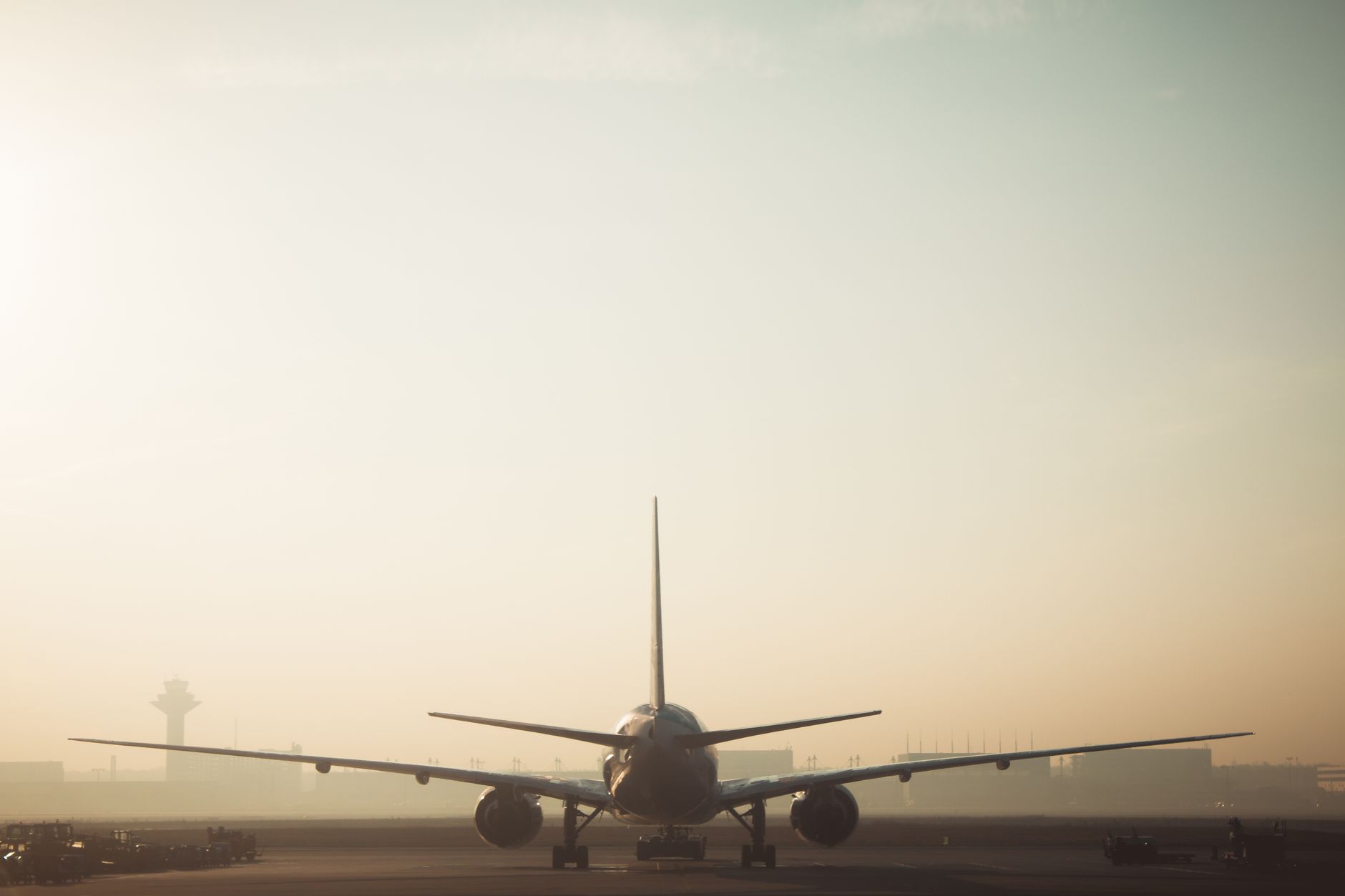
FAA grounds flights across America, causing widespread disruptions. However, Air India assures that its India-US services remain unaffected and are operating as scheduled.
What Led to the FAA Grounding Flights?
The recent decision by the FAA to ground flights across America has left many travelers frustrated and confused. Several factors contributed to this unprecedented situation, raising concerns about air travel safety and efficiency.
Firstly, a major technical failure in the FAA’s systems led to widespread disruptions. This failure affected flight planning and communication with air traffic control, prompting officials to take precautionary measures. Additionally, weather conditions in various regions exacerbated the delays, creating a perfect storm of complications.
Airlines scrambled to manage the fallout, with numerous flights canceled or delayed. While some international services, such as those from Air India, reported no interruptions, the impact on domestic travel was significant.
Travelers are now left wondering if this is the worst travel situation ever, as they face uncertainty and disruption. The grounding of flights has sparked discussions on the need for better infrastructure and contingency plans in the aviation industry.
Air India’s Response to Flight Disruptions
In light of the recent FAA grounds flights across America, Air India has swiftly addressed concerns regarding its services. The airline reassured travelers that its India-US flights remain unaffected and are operating as per schedule. Air India spokesperson stated, “Our flights between India and the United States are continuing to run without any disruptions, despite the challenges faced by other airlines.”
The airline emphasized its commitment to maintaining seamless connectivity for passengers. Travelers can expect:
- Consistent flight schedules
- Timely updates regarding travel plans
- Support for passengers affected by flight disruptions
While the FAA grounds flights have caused ripples throughout the aviation industry, Air India’s proactive measures aim to ensure that its customers experience minimal inconvenience. The airline encourages travelers to stay informed about their flight status and to reach out for assistance if needed.
Impact on Travelers and Airlines
The recent decision by the FAA to ground flights has left many travelers in a state of uncertainty and frustration. With thousands of flights delayed or canceled, the impact on both travelers and airlines is profound.
Travelers are facing a multitude of challenges, including:
- Extended wait times at airports as passengers scramble to find alternatives.
- Increased stress levels due to missed connections and disrupted travel plans.
- Heightened demand for customer service assistance as airlines work to accommodate affected passengers.
Airlines are also feeling the strain, with operational disruptions leading to significant financial implications. Many carriers are working diligently to rebook flights and manage their schedules amidst the chaos. The FAA grounding flights has created a ripple effect, impacting not only travel plans but also the overall airline industry. As travelers remain hopeful for a swift resolution, questions about the long-term repercussions linger.
Understanding FAA Regulations
The Federal Aviation Administration (FAA) plays a crucial role in ensuring the safety and efficiency of air travel in the United States. When the FAA grounds flights, it typically indicates a significant issue that requires immediate attention. This can be due to a variety of reasons, including technical malfunctions, severe weather conditions, or regulatory compliance failures.
Understanding FAA regulations is essential for both airlines and passengers. The agency implements strict guidelines that airlines must follow to maintain operational standards. These regulations are designed to protect travelers and ensure that all flights meet safety requirements.
- Safety Protocols: The FAA mandates specific safety protocols that airlines must adhere to.
- Communication: Airlines are required to communicate flight disruptions promptly to passengers.
- Regulatory Compliance: Non-compliance can lead to severe penalties and, in some cases, flight cancellations.
When the FAA grounds flights, it serves as a reminder of the importance of these regulations in maintaining safe air travel.
Future of Air Travel Amidst Groundings
The recent FAA groundings have raised questions about the future of air travel, as passengers and airlines grapple with the fallout. The disruptions highlight vulnerabilities within the aviation system, prompting discussions about potential reforms and technological upgrades.
Experts predict that the ongoing challenges may lead to significant changes in how airlines operate. Some potential developments include:
- Enhanced Safety Protocols: Airlines may adopt stricter safety measures and more robust technology to prevent future groundings.
- Increased Investment: Airlines might invest more in infrastructure to support efficient operations during emergencies.
- Policy Revisions: The FAA may reevaluate its regulations to better address the complexities of modern air travel.
As the aviation industry continues to recover from these groundings, it remains to be seen how these changes will shape the future of air travel and the overall passenger experience.
The sudden announcement that the FAA grounds flights has left travelers stranded and frustrated at airports nationwide. With no clear timeline for resuming operations, many are questioning if this is indeed the worst travel situation ever.
Photo by Maria Tyutina on Pexels
Where this came from
You might also like
Food Emulsifier Rockery Solution: Proven Way to Fuel Problems · Pune restaurant licenses suspended: Serious health violation found · Trump Putin Xi meeting: The Historic Gathering in China