Steel Scrap Futures Contract: The Smart Way to Invest
The steel scrap futures contract is a groundbreaking initiative by NCDEX that opens up new avenues for investors in the commodities market.
What is the Steel Scrap Futures Contract?
The steel scrap futures contract is a financial instrument designed to facilitate trading in the steel scrap market. It allows investors to buy and sell contracts for future delivery of steel scrap, providing a means to hedge against price fluctuations and manage risk. This innovative contract is particularly relevant in today’s volatile market, where prices can change rapidly due to various factors, including supply chain disruptions and changes in demand.
Launched by the National Commodity and Derivatives Exchange (NCDEX), this contract aims to enhance price discovery and provide liquidity in the steel sector. Key features of the contract include:
- Standardized quality: Ensures that all traded scrap meets specific quality criteria.
- Transparent pricing: Offers real-time price information, allowing for informed trading decisions.
- Risk management: Helps manufacturers and traders mitigate risks associated with price volatility.
Overall, the steel scrap futures contract is poised to become an essential tool for stakeholders in the steel industry.
Benefits of Investing in Steel Scrap
Investing in steel scrap futures contracts offers several advantages for savvy investors looking to diversify their portfolios. Here are some key benefits:
- Hedge Against Market Volatility: Steel prices can fluctuate due to various factors, including economic conditions and global demand. A steel scrap futures contract allows investors to lock in prices, providing a safeguard against unexpected market changes.
- Access to a Growing Market: As the demand for sustainable materials increases, steel scrap has become an essential resource. This trend creates opportunities for profitable investments in futures contracts.
- Liquidity: Steel scrap futures are traded on established exchanges, ensuring a liquid market where investors can easily buy and sell contracts as needed.
- Potential for High Returns: With the right market insights, investors can capitalize on price movements in the steel scrap market, leading to significant returns on their investments.
Overall, the steel scrap futures contract represents a smart way to invest in an evolving commodity landscape.
How the Contract Works
The steel scrap futures contract operates as a standardized agreement to buy or sell a specified quantity of steel scrap at a predetermined price, with delivery set for a future date. This contract enables investors to hedge against price volatility in the steel market or speculate on future price movements.
Traders can participate by purchasing contracts through platforms like the National Commodity and Derivatives Exchange (NCDEX). The process involves the following key steps:
- Contract Specification: Each futures contract has specific terms, including quantity, quality, and delivery location.
- Margin Requirements: Participants must maintain a margin account to cover potential losses, ensuring that both parties fulfill their obligations.
- Settlement Process: Upon contract expiration, the contract is settled either through physical delivery of steel scrap or cash settlement based on the market price.
Overall, the steel scrap futures contract provides a transparent and regulated environment for investors looking to leverage the dynamics of the steel market.
Market Impact of Steel Scrap Futures
The introduction of the steel scrap futures contract by NCDEX is poised to significantly impact the market dynamics of the steel industry. By providing a platform for price discovery and risk management, these contracts aim to stabilize fluctuations in steel scrap prices, which have been volatile in recent years.
Market participants can benefit from the following impacts:
- Enhanced Liquidity: The futures contract is expected to increase trading volumes, allowing buyers and sellers to transact more easily.
- Price Stabilization: By locking in prices, manufacturers can better manage production costs, leading to improved financial planning.
- Global Benchmarking: This contract may serve as a benchmark for steel scrap prices, aligning the Indian market with global trends.
- Investment Opportunities: Investors can speculate on price movements, potentially leading to higher returns.
Overall, the steel scrap futures contract offers a strategic avenue for both investors and industry players to navigate the complexities of the steel market.
Key Details to Know
The launch of the steel scrap futures contract marks a significant milestone in India’s commodity market. Here are some key details to know:
- Exchange Platform: The contract is introduced on the NCDEX, providing a regulated environment for trading.
- Contract Size: Each contract represents a specific quantity of steel scrap, facilitating easy trading and liquidity.
- Delivery Specifications: Participants must adhere to strict quality standards to ensure the integrity of the steel scrap.
- Settlement Methods: The contract allows for both physical delivery and cash settlement, catering to different investor preferences.
- Trading Hours: The trading window is aligned with the NCDEX’s operational hours, promoting accessibility for all investors.
- Market Participants: The contract is aimed at various stakeholders, including manufacturers, traders, and investors seeking to hedge against price fluctuations.
Understanding these details is essential for anyone looking to engage in the steel scrap futures contract.
Future of Steel Scrap Trading
The future of steel scrap trading looks promising as the market adapts to the growing demand for recycled materials. With the introduction of the steel scrap futures contract on platforms like NCDEX, investors have a new opportunity to engage with the steel industry while promoting sustainability.
As governments worldwide push for greener initiatives, the value of scrap steel is expected to rise. Industry experts predict that increased construction activities and infrastructure projects will drive demand. Additionally, the integration of technology in trading will enhance transparency and efficiency, making it easier for investors to navigate the market.
Furthermore, as more stakeholders recognize the importance of recycling, the steel scrap market is likely to attract a broader audience. This shift may also lead to the development of more sophisticated trading strategies and risk management tools tailored to the unique characteristics of steel scrap futures.
Investors are advised to stay informed about regulatory changes and market trends to maximize their investments in this evolving sector.
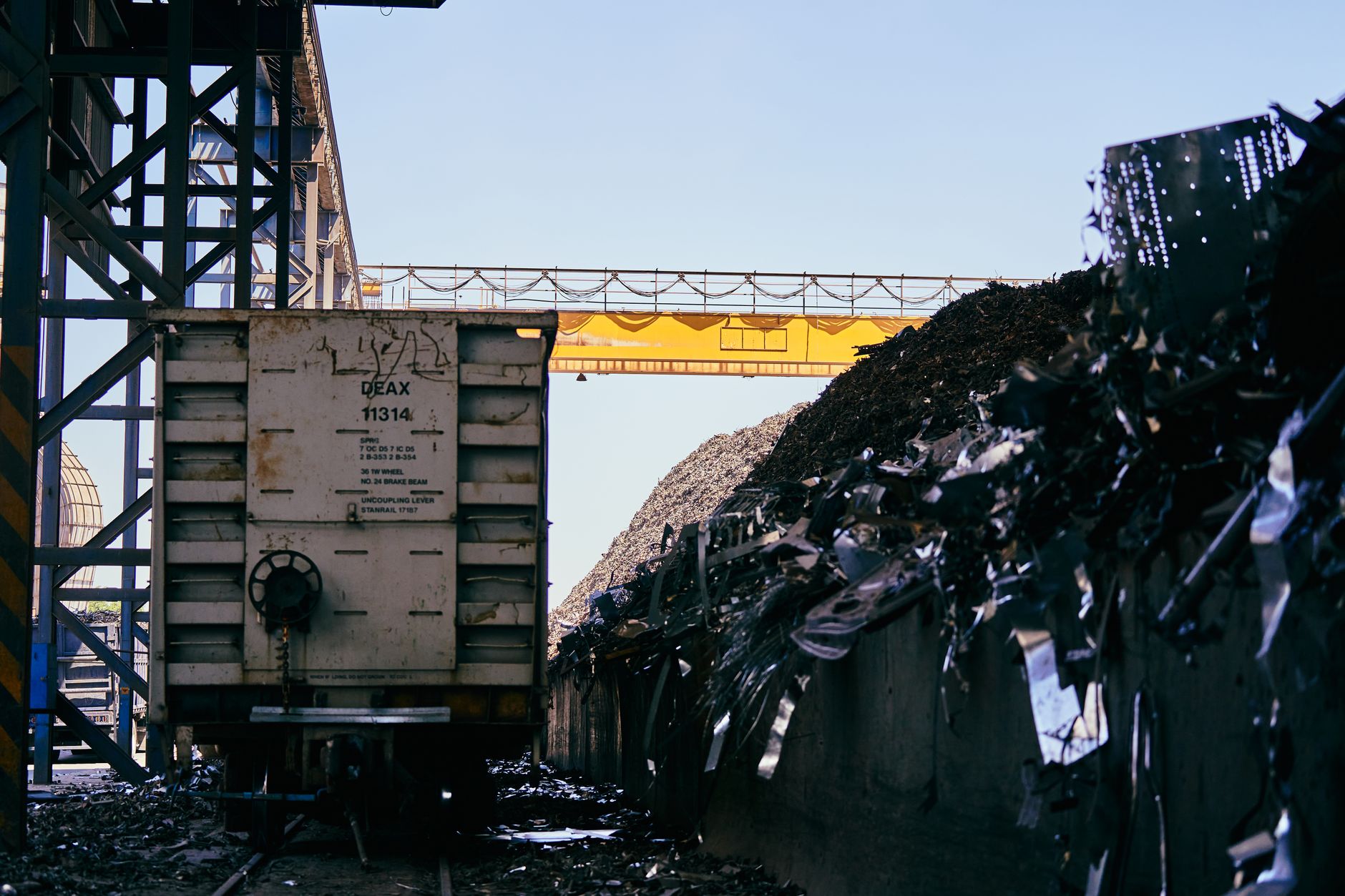
Photo by Willians Huerta on Pexels