Gadi Eisenkot’s Role: The Right Choice for Government Formation
Gadi Eisenkot government formation is a significant milestone in Israeli politics. As a former military leader, Eisenkot brings a unique perspective to the political arena.
Who is Gadi Eisenkot?
Gadi Eisenkot is a prominent Israeli military figure and politician, known for his strategic leadership and commitment to national security. Born in 1960, he served as the Chief of Staff of the Israel Defense Forces (IDF) from 2015 to 2019, where he was instrumental in shaping military policy during a critical period for the nation.
Throughout his military career, Eisenkot emphasized the importance of intelligence and proactive defense measures, earning respect both domestically and internationally. His experience in various operational roles has equipped him with a deep understanding of the complexities Israel faces in regional security.
In recent political developments, Eisenkot has emerged as a key player in government formation efforts. His reputation for pragmatism and consensus-building positions him as a crucial figure in navigating the current political landscape. Many analysts believe that his leadership could lead to a more stable and effective government.
As Gadi Eisenkot takes on the challenge of forming a government, his past experiences and strategic mindset will likely influence his approach, making him a right choice for government formation in Israel at this pivotal moment.
The Importance of His Role
The role of Gadi Eisenkot in the government formation process is pivotal in shaping Israel’s political landscape. As a seasoned military leader, Eisenkot brings a wealth of experience and strategic insight that is crucial during this transitional period.
His leadership style and ability to unite diverse factions can facilitate crucial negotiations. Eisenkot’s understanding of security issues is particularly significant, given the current tensions in the region. This background allows him to address both domestic and international concerns effectively.
Moreover, Eisenkot’s past achievements in the Israel Defense Forces (IDF) highlight his capability to lead under pressure. His reputation for making tough decisions while balancing various interests makes him a compelling choice for this role. The expectation is that he will foster collaboration among different political entities, which is essential for stable governance.
In addition, Eisenkot’s appointment signals a shift towards a more security-oriented government approach, responding to public concerns regarding safety and stability. The Gadi Eisenkot government formation, therefore, not only represents a strategic move but also a necessary response to the current political climate.
- Experience in military leadership
- Ability to unite diverse factions
- Focus on security issues
Challenges Ahead for Eisenkot
As Gadi Eisenkot embarks on the challenging task of government formation, he faces numerous obstacles that could hinder his efforts. These challenges are not only political but also deeply rooted in the social fabric of Israel.
Firstly, the political landscape is highly fragmented, with multiple parties holding significant influence. Eisenkot must navigate the delicate balance of interests among these factions, each representing different segments of the population. This complexity makes consensus-building a formidable challenge.
Secondly, public expectations are high. Many citizens are looking for decisive leadership and effective governance, especially in light of ongoing security concerns and economic issues. Eisenkot’s ability to address these pressing matters will be closely scrutinized.
Moreover, there is the issue of maintaining party unity. Eisenkot must ensure that his coalition remains cohesive, as any sign of discord could jeopardize the government formation process. This requires not only political acumen but also strong interpersonal skills.
In summary, as Eisenkot confronts these challenges ahead for government formation, his leadership style and strategic decision-making will play a crucial role in the future of Israeli politics.
Public Opinion on Eisenkot
Public opinion on Gadi Eisenkot’s capability in leading the government formation is varied, reflecting a mixture of optimism and skepticism among the populace. Many citizens view Eisenkot as a stabilizing figure, especially in light of the current political climate in Israel.
Supporters argue that his extensive military background and leadership experience make him a suitable candidate for navigating the complexities of coalition-building. They believe that Gadi Eisenkot’s government formation efforts could bring a level of discipline and strategic thinking that is crucial for the nation’s governance.
Conversely, critics express concerns regarding his ability to unite disparate political factions. Some believe that his military-centric approach may not translate effectively into the political arena, where compromise and negotiation are essential. These critics argue that Eisenkot may struggle to address the diverse needs of various constituencies.
The mixed sentiment is reflected in recent polls, which show a slight majority favoring his leadership while a significant portion remains undecided. As the political landscape continues to evolve, public opinion will play a critical role in determining the success or failure of Eisenkot’s initiatives moving forward.
Historical Context of Government Formation
In the ever-evolving landscape of Israeli politics, the formation of a government has historically been a complex and often contentious process. Various political parties vie for power, leading to coalition negotiations that can stretch for weeks or even months. The ability of a leader to navigate these negotiations is crucial and has often determined the stability of the government formed.
Gadi Eisenkot’s government formation is particularly significant in this context, as it represents a pivotal moment in Israel’s political history. The backdrop of recent elections, characterized by deep ideological divides, has set the stage for a challenging coalition-building effort. Past leaders have faced similar dilemmas, with some succeeding in creating stable governments while others have been forced into repeated elections due to failed negotiations.
Furthermore, the role of military experience in political leadership cannot be understated. Eisenkot’s tenure as a military leader may provide him with unique insights and skills that could aid in bridging gaps between factions. As he embarks on this crucial task, the historical lessons of government formation in Israel will undoubtedly inform his strategies and decisions.
Potential Impact on Israeli Politics
The potential impact of Gadi Eisenkot’s government formation on Israeli politics could be significant. As a former chief of staff of the Israel Defense Forces, Eisenkot brings a wealth of experience and a unique perspective to the political landscape. His approach to governance is expected to prioritize security and stability, which resonates with a large segment of the Israeli population.
Furthermore, Eisenkot’s ability to bridge divides among various political factions may foster collaboration in a fragmented Knesset. His leadership style, characterized by pragmatism and strategic thinking, might facilitate negotiations that could lead to a more cohesive government. Observers speculate that if he successfully forms a government, it could set a precedent for future military leaders entering the political arena.
However, the success of his government formation will also depend on public support and the cooperation of coalition partners. The challenges he faces, such as addressing socio-economic issues and regional security concerns, will require a delicate balance of interests.
In summary, Gadi Eisenkot’s government formation could reshape Israeli politics, promoting a new era of governance that emphasizes unity and security.
Future Prospects for Eisenkot
As Gadi Eisenkot embarks on the critical task of government formation, the future of Israeli politics hangs in the balance. His leadership style and strategic approach are likely to shape not only his own political career but also the broader landscape of governance in Israel.
Many analysts believe that Eisenkot’s military background equips him with unique skills that can be leveraged in political negotiations. His ability to remain calm under pressure and make decisive choices may prove invaluable as he navigates the complexities of coalition building. However, success will depend on several key factors:
- Coalition Dynamics: Eisenkot must secure a balance between various political factions to form a stable government.
- Public Support: He will need to maintain public backing to ensure ongoing legitimacy and effectiveness.
- Policy Priorities: Clearly communicating his vision will be essential to garner support from both allies and the electorate.
Looking ahead, the Gadi Eisenkot government formation could either herald a new era of governance or lead to further political fragmentation. As the situation evolves, all eyes will be on Eisenkot to see if he can transform challenges into opportunities for the nation.
Gadi Eisenkot government formation has garnered significant support from various political factions seeking stability. His leadership qualities are seen as essential for navigating the complexities of coalition politics.
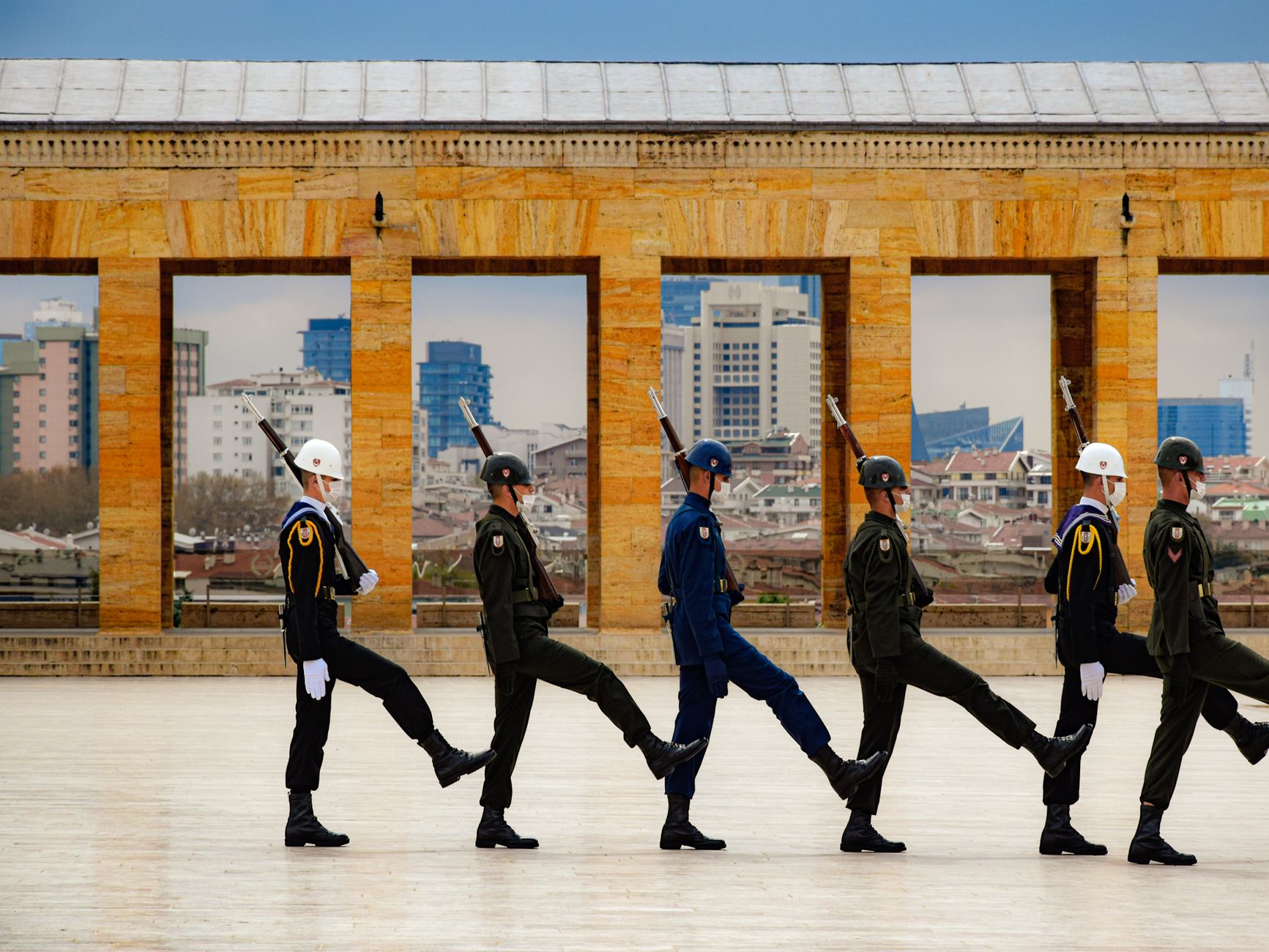
Photo by feyza ergün on Pexels