Cyclone Bay of Bengal: Worst Rain Alert for Andhra Pradesh
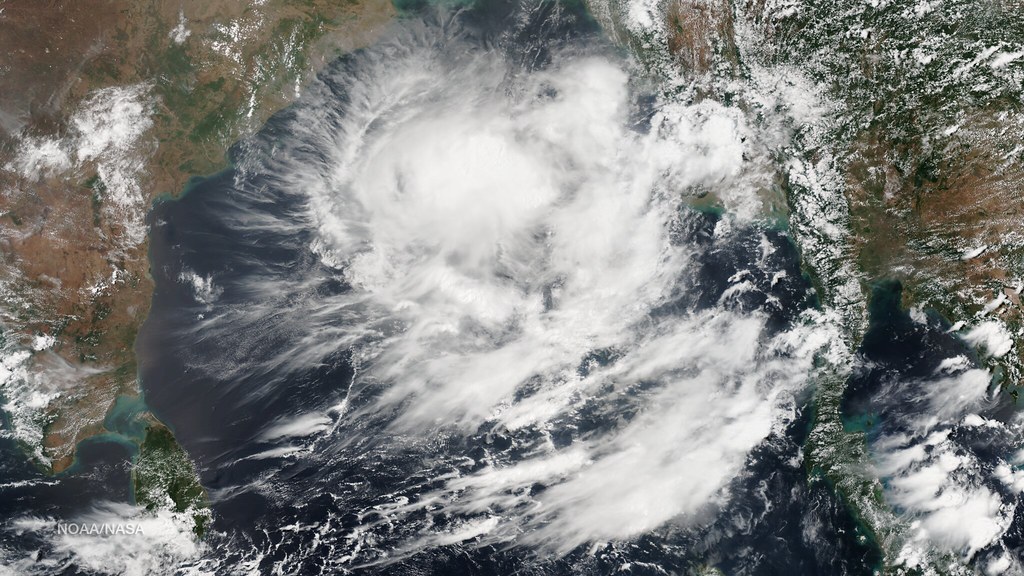
Cyclone Bay of Bengal is expected to form in the coming days, prompting a rain alert for Andhra Pradesh and Odisha. The Indian Meteorological Department (IMD) has issued warnings to prepare for potential heavy rainfall and adverse weather conditions.
Current Weather Conditions
The current weather conditions in the Bay of Bengal are becoming increasingly alarming as a cyclone is expected to form in the coming days. The Indian Meteorological Department (IMD) has issued a warning, highlighting that heavy rainfall is likely to affect several regions, especially Andhra Pradesh and Odisha. As the cyclone approaches, residents are urged to prepare for severe weather.
Forecasters predict that the cyclone will bring:
- Intense Rainfall: Coastal areas of Andhra Pradesh may experience continuous downpours, leading to potential flooding.
- Strong Winds: Gusts could reach up to 70 km/h, posing a risk to structures and transportation.
- Storm Surges: Low-lying coastal communities may face inundation due to rising sea levels.
The IMD has advised fishermen to refrain from venturing into the sea during this period, as conditions are expected to deteriorate rapidly. Local authorities are on high alert, implementing precautionary measures to ensure the safety of residents. With the threat of the cyclone in the Bay of Bengal looming, preparedness is essential to mitigate the impact of this severe weather event.
Impact of Cyclone on Coastal Regions
The impending Cyclone Bay of Bengal is set to have significant effects on the coastal regions, particularly in Andhra Pradesh. The Indian Meteorological Department (IMD) has issued warnings about heavy rainfall and strong winds expected along the coast, raising concerns for local communities and fishermen.
Officials have urged residents to prepare for possible evacuations and to stay indoors during the worst of the storm. The anticipated impact includes:
- Heavy Rainfall: Forecasts indicate that some areas may receive over 200 mm of rain, leading to potential flooding.
- Strong Winds: Gusts could reach up to 80 km/h, posing risks to structures and uprooting trees.
- Disruption of Services: Power outages and interruptions in communications are likely as the cyclone approaches.
- Marine Warnings: Fishermen have been advised to refrain from venturing into the sea, as rough conditions will prevail.
Local authorities are on high alert, mobilizing resources to mitigate damage and ensure the safety of residents. The situation is being monitored closely as preparations are underway to respond to the unfolding crisis.
IMD Warnings and Precautions
The Indian Meteorological Department (IMD) has issued several warnings regarding the impending cyclone forming over the Bay of Bengal, which is expected to bring severe weather conditions to Andhra Pradesh. Residents are urged to take necessary precautions as heavy rainfall is anticipated in the coming days.
According to the latest updates from the IMD, the cyclone may lead to:
- Heavy to very heavy rainfall: Increased precipitation is expected, particularly in coastal areas.
- Strong winds: Gusts of wind may reach up to 60 km/h, posing risks to both life and property.
- Flooding: Low-lying regions could experience flooding, leading to potential displacement of residents.
Authorities recommend that individuals take the following precautions:
- Stay updated: Monitor local news and IMD alerts for real-time updates on cyclone developments.
- Secure property: Ensure that loose items are secured to prevent them from being blown away.
- Emergency kit: Prepare an emergency kit with essential supplies, including food, water, and medical needs.
Staying informed and prepared is crucial as the situation develops with the cyclone in the Bay of Bengal.
Historical Cyclones in Bay of Bengal
The Bay of Bengal has a long history of cyclonic activities, with several severe cyclones impacting the region over the years. These cyclones not only cause devastating winds but also lead to heavy rainfall, particularly affecting states like Andhra Pradesh and Odisha.
Notable historical cyclones include:
- Cyclone Nargis (2008) – This cyclone caused extensive damage in Myanmar but originated in the Bay of Bengal, highlighting the potential for severe weather systems in the region.
- Cyclone Phailin (2013) – One of the strongest cyclones to hit India, Phailin brought torrential rains and strong winds, affecting millions in Odisha and Andhra Pradesh.
- Cyclone Hudhud (2014) – This cyclone made landfall in Andhra Pradesh, leading to widespread destruction and significant rainfall that resulted in flooding.
- Cyclone Fani (2019) – Originating in the Bay of Bengal, Fani was another severe storm that impacted Odisha, causing severe disruptions along the east coast.
As the region braces for another storm, the historical context of cyclones in the Bay of Bengal serves as a reminder of the potential risks and the need for preparedness.
What to Expect in the Coming Days
As the Cyclone Bay of Bengal continues to develop, residents of Andhra Pradesh can expect severe weather conditions in the coming days. The Indian Meteorological Department (IMD) has issued alerts indicating that heavy rain and strong winds are likely to affect coastal areas significantly.
The forecast predicts:
- Heavy Rainfall: Continuous downpours are expected, with some regions receiving over 200mm of rain.
- Strong Winds: Wind speeds could reach up to 70 km/h, causing potential damage to infrastructure and homes.
- Flood Risks: Low-lying areas may be particularly vulnerable to flooding, increasing the need for vigilance among residents.
Officials are urging the public to stay indoors during the peak of the cyclone and to follow safety protocols. Additionally, fishermen are advised to refrain from venturing into the sea until conditions improve. The IMD is closely monitoring the situation and will provide updates as the cyclone progresses. Community preparedness is essential to minimize risks and ensure safety during this challenging weather event.
The Cyclone Bay of Bengal has intensified, leading to severe weather warnings across the region. Residents are urged to prepare for heavy rainfall and strong winds as the Cyclone Bay of Bengal approaches the coastline.
By NASA Goddard Photo and Video via Openverse