Is the Ban on Added Sucrose the Right Move for Babies?
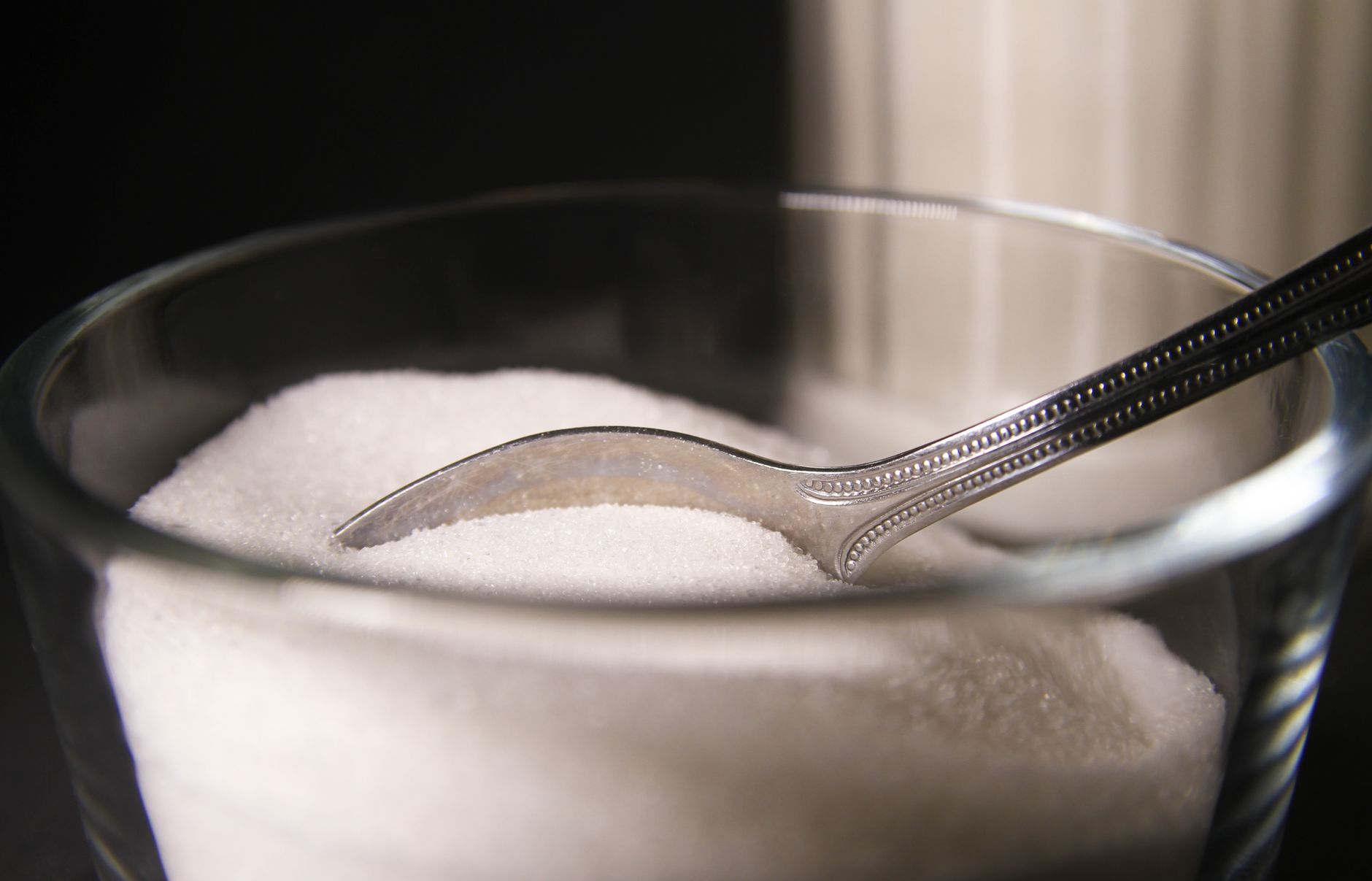
The ban on added sucrose is being proposed by FSSAI for infant food intended for babies up to six months. This move aims to enhance the safety and nutritional quality of baby food.
What is the Proposed Ban on Added Sucrose?
The Food Safety and Standards Authority of India (FSSAI) has recently proposed a significant regulation aimed at safeguarding infant health. The proposed ban on added sucrose and fructose in infant food for babies up to six months is designed to ensure that children receive optimal nutrition during their crucial development stages.
This initiative stems from growing concerns about the adverse effects of excessive sugar intake in early childhood. The FSSAI emphasizes that infants should be introduced to a balanced diet without added sugars, as early exposure to sweeteners can lead to a preference for sugary foods later in life. Furthermore, studies have linked high sugar consumption with various health issues, including obesity and dental problems.
To enhance public understanding, the FSSAI has outlined the following key points regarding the ban:
- Nutrition Focus: Promoting natural ingredients in infant food.
- Health Impact: Reducing risks associated with high sugar intake.
- Developmental Guidelines: Aligning food standards with infant growth needs.
Why is FSSAI Targeting Infant Food?
The Food Safety and Standards Authority of India (FSSAI) has taken a significant step by proposing a ban on added sucrose in infant food aimed at babies up to six months old. This move arises from growing concerns regarding the health implications of added sugars in early childhood nutrition.
Infants are at a crucial stage of development where proper nutrition is essential. The FSSAI aims to ensure that babies receive only the necessary nutrients without the added risks associated with excessive sugar consumption. By eliminating added sugars, the authority hopes to promote healthier eating habits from a young age.
Several key factors have influenced the FSSAI’s decision:
- Rising obesity rates: There has been a notable increase in childhood obesity, prompting a reevaluation of dietary guidelines.
- Long-term health effects: Early exposure to sugary foods may lead to a preference for sweet tastes and potential health issues later in life.
- Global standards: Many countries have already adopted similar measures to safeguard infant health.
Health Risks of Added Sucrose for Babies
The proposed ban on added sucrose has sparked considerable debate among health professionals and parents alike. Added sucrose, commonly found in many processed foods, poses several health risks for babies, particularly those under six months old.
Potential health risks include:
- Obesity: Early exposure to added sugars can lead to an increased risk of obesity later in life, as babies develop a preference for sweet tastes.
- Dental Issues: Sugary diets can contribute to tooth decay, even before the first teeth emerge, as the sugars can affect oral health.
- Gastrointestinal Disturbances: Infants’ digestive systems are still developing, making them particularly sensitive to excess sugar, which can cause discomfort and digestive issues.
- Risk of Chronic Diseases: Introducing added sugars at an early age may increase the likelihood of developing chronic conditions such as type 2 diabetes.
Given these risks, the ban on added sucrose is seen by many as a necessary measure to protect infants and promote healthier dietary habits from the start.
Impact on Baby Food Manufacturers
The proposed ban on added sucrose is set to significantly impact baby food manufacturers, forcing them to reevaluate their product formulations. With the Food Safety and Standards Authority of India (FSSAI) taking a strong stance on infant nutrition, companies may face challenges in maintaining taste and appeal while adhering to new regulations.
Manufacturers will need to explore alternative natural sweeteners or reformulate their recipes to meet the new standards without compromising on quality. This shift may also require additional research and development investments, leading to increased production costs.
Furthermore, the ban could reshape market competition as companies that adapt swiftly may gain an advantage over those that lag behind. As parents become more health-conscious, the demand for healthier baby food options is likely to rise, pushing manufacturers to innovate.
Ultimately, the proposed ban on added sucrose could lead to a healthier generation of infants, but it also presents significant hurdles for those in the baby food industry.
Expert Opinions on the Ban
Experts have weighed in on the proposed ban on added sucrose, expressing a range of opinions on its implications for infant nutrition.
- Dr. Lisa Thompson, Pediatric Nutritionist: “Eliminating added sucrose from baby food is a crucial step towards reducing the risk of obesity and dental issues later in life. Infants do not need added sugars, as their developing bodies thrive on natural nutrients.”
- Dr. Michael Chen, Pediatrician: “While I support the ban on added sucrose, we must also ensure that parents have access to a variety of nutritious options. The ban should not lead to a lack of diversity in infant diets.”
- Sarah Miller, Child Health Advocate: “This proposed ban is a proactive move to protect our children. However, it’s essential that manufacturers adapt without compromising on quality or flavor.”
Overall, the consensus among health professionals highlights the importance of addressing added sugars in infant food, while also maintaining a balanced approach to nutrition.
What Parents Need to Know
As discussions around the proposed ban on added sucrose gain traction, parents are urged to stay informed about its implications. Understanding the effects of added sugars on infant health is crucial, especially as dietary habits formed early in life can have long-term consequences.
Experts recommend that parents consider the following:
- Read Labels: Always check the ingredient list on baby food products to ensure they do not contain added sugars.
- Prioritize Whole Foods: Opt for pureed fruits and vegetables instead of processed options that may contain added sucrose.
- Consult Healthcare Providers: Discuss any dietary concerns with pediatricians to understand the best feeding practices for your baby.
- Stay Updated: Follow reliable news sources for updates on the ban and its effective date, as well as any changes in recommendations from health organizations.
Being proactive about your baby’s nutrition can help foster healthier eating habits and potentially safeguard their future health.
Future of Infant Nutrition Regulations
The future of infant nutrition regulations is shaping up to be a crucial area of focus for health authorities and parents alike. With the proposed ban on added sucrose, the Food Safety and Standards Authority of India (FSSAI) aims to set a new standard for what constitutes healthy food for infants. This initiative not only addresses immediate health risks but also paves the way for a broader re-evaluation of food safety guidelines.
As this ban is considered, several key aspects must be taken into account:
- Public Awareness: Educating parents about the importance of sugar-free diets for babies.
- Industry Compliance: Ensuring that manufacturers adapt to the new regulations without compromising nutrition.
- Global Standards: Aligning with international practices to promote healthier infant feeding.
- Monitoring and Enforcement: Establishing mechanisms to ensure compliance among food producers.
The proposed ban on added sucrose could serve as a vital step toward enhancing the nutritional landscape for infants, setting a precedent for future regulations.
Photo by Mark Youso on Pexels
Read the original
Related stories
Is the airspace ban on Indian aircraft the worst decision? · James Cameron Marvel: Proven Insights on Box Office Rivalry · Conditional Bail News: Abhijeet Dipke Walks Free with Peace Bond