Indian Coast Guard ICGS Ajit: Proven Naval Defense Power
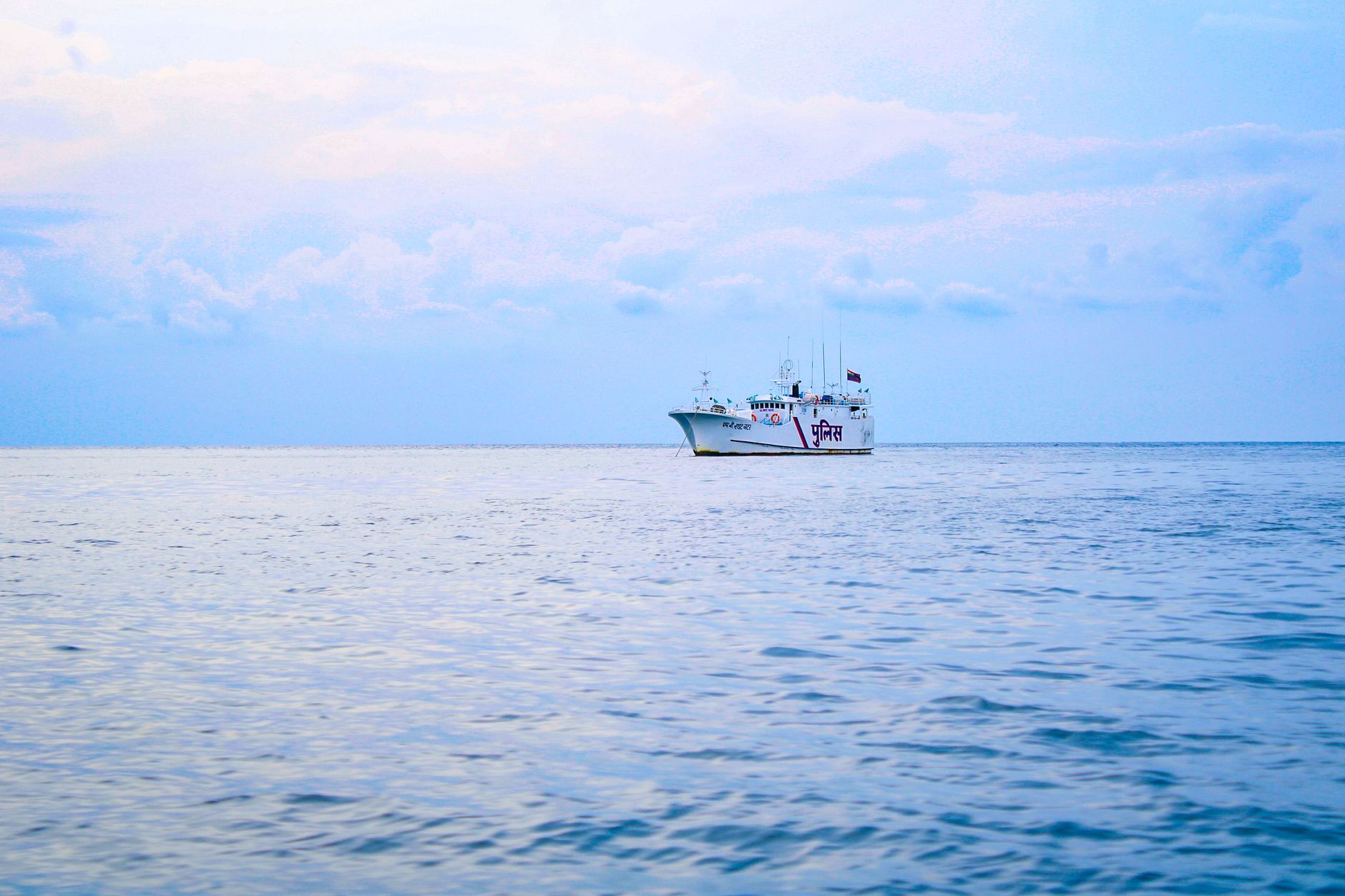
Indian Coast Guard ICGS Ajit is a significant addition to India’s maritime security, showcasing indigenous technology and advanced capabilities.
Overview of ICGS Ajit
The Indian Coast Guard ICGS Ajit
Significance of Indigenous Naval Vessels
The commissioning of ICGS Ajit marks a significant milestone in India’s maritime defense capabilities. Indigenous naval vessels play a crucial role in enhancing national security and operational readiness in the vast Indian Ocean region. The development and induction of these vessels signify a shift towards self-reliance in defense production, aligning with the government’s vision of “Make in India.”
One of the key features of indigenous vessels like ICGS Ajit is their advanced technology and design, tailored to meet specific operational requirements. These vessels are equipped with state-of-the-art surveillance systems, ensuring effective monitoring of maritime activities and rapid response to threats.
The significance of indigenous naval vessels extends beyond mere defense; they contribute to the local economy by creating jobs and fostering innovation in shipbuilding. Moreover, their deployment strengthens India’s capability to conduct search and rescue missions, environmental protection, and anti-piracy operations.
In summary, the commissioning of ICGS Ajit is not just a testament to India’s naval prowess but also symbolizes a commitment to building a robust and self-sufficient maritime defense infrastructure.
Features of the ICGS Ajit
The Indian Coast Guard ICGS Ajit is a remarkable addition to the country’s naval defense capabilities, showcasing several key features that enhance its operational effectiveness. These features include:
- Advanced Surveillance Systems: Equipped with state-of-the-art radar and communication technologies, ICGS Ajit can monitor vast maritime areas, enhancing situational awareness.
- Robust Armament: The vessel is armed with advanced weaponry, including machine guns and automatic guns, ensuring a formidable presence against potential threats.
- Multi-Mission Capability: Designed for a variety of roles, the ICGS Ajit can perform search and rescue missions, anti-smuggling operations, and environmental protection tasks.
- Indigenous Design and Build: Built in Goa, the ship reflects India’s commitment to self-reliance in defense, showcasing indigenous shipbuilding expertise.
- High Endurance: With a significant operational range, the ICGS Ajit can conduct extended missions without the need for frequent refueling.
These features collectively position the Indian Coast Guard ICGS Ajit as a proven naval defense power, capable of safeguarding India’s maritime interests.
Future of India’s Maritime Security
The future of India’s maritime security looks promising with the introduction of advanced vessels like the Indian Coast Guard ICGS Ajit. As regional maritime challenges continue to evolve, the need for a robust naval defense system becomes increasingly critical.
ICGS Ajit stands as a testament to India’s commitment to strengthening its coastal security. With its state-of-the-art technology, the vessel is equipped to undertake various missions, including search and rescue operations, maritime law enforcement, and pollution response.
Looking forward, the Indian Coast Guard aims to enhance its operational capabilities through continued investment in indigenous shipbuilding programs. This strategy not only bolsters national security but also fosters economic growth by creating jobs and advancing technological expertise within the country.
Moreover, the collaboration between the Indian Coast Guard and domestic shipyards in Goa, where ICGS Ajit was built, exemplifies a model for future projects. By investing in local resources, India can ensure that its maritime forces are well-prepared to address the complexities of modern naval warfare and safeguard its vast coastline.
In this evolving landscape, vessels like ICGS Ajit will play a crucial role in securing India’s maritime interests and ensuring safe and secure seas.
Photo by Badeeu Zaman on Pexels