Solar cell efficiency: Is it the best proven method?
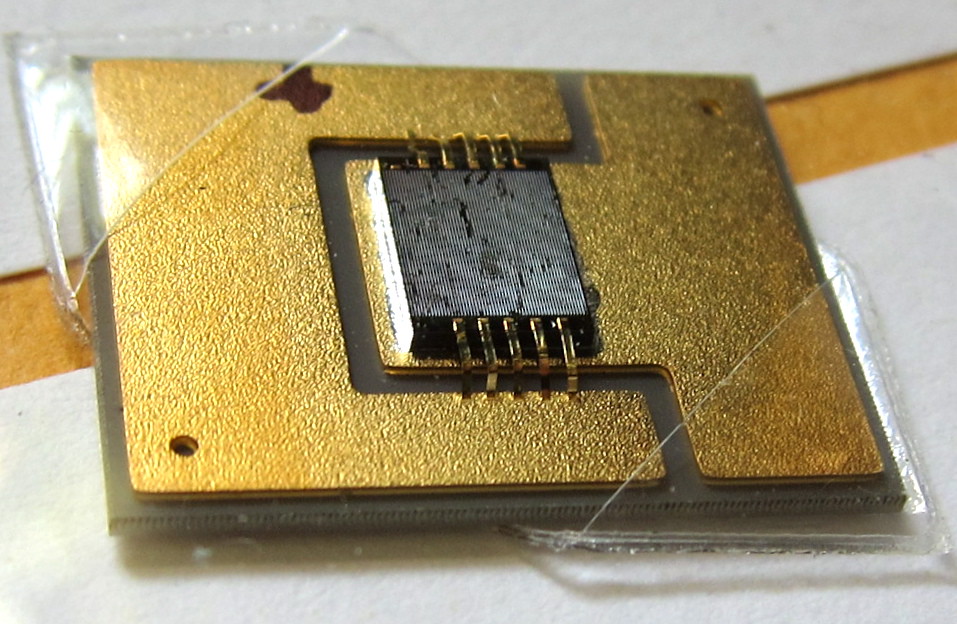
Solar cell efficiency is gaining attention as researchers discover new methods to emit light in fewer directions. This innovation could significantly enhance energy capture and usage.
What are solar cells?
Solar cells, also known as photovoltaic cells, are devices that convert sunlight directly into electricity. They are a crucial component of solar panels and play a significant role in harnessing renewable energy. Solar cells operate on the principle of the photovoltaic effect, where certain materials generate an electric current when exposed to light.
These cells are made from semiconductor materials, commonly silicon, which are treated to create an electric field. When sunlight strikes the solar cell, photons knock electrons loose from their atoms, allowing them to flow through the material and generate electricity.
The efficiency of solar cells refers to the percentage of sunlight that can be converted into usable electrical energy. As research and technology progress, solar cell efficiency continues to improve, making them a more viable option for sustainable energy solutions.
Some of the factors that influence solar cell efficiency include:
- Material quality
- Temperature
- Light intensity
- Angle of sunlight
In recent developments, scientists have focused on enhancing the performance of solar cells by optimizing their light emission properties.
How does efficiency impact solar energy?
The efficiency of solar cells plays a crucial role in determining their overall effectiveness in harnessing sunlight for energy production. As solar cell efficiency improves, the amount of energy generated from the same surface area increases, leading to a more sustainable energy solution.
One significant aspect of solar cell efficiency is its impact on the cost-effectiveness of solar energy systems. Higher efficiency means that fewer solar panels are needed to achieve the same energy output, reducing installation costs and saving space. This is particularly important in urban areas where space is limited.
Additionally, advancements in solar cell technology, such as the recent development that allows cells to emit light in fewer directions, can lead to enhanced efficiency. This innovation may contribute to a greater absorption of sunlight, further optimizing energy production.
Ultimately, improving solar cell efficiency is vital for the widespread adoption of solar energy, making it a more attractive option for both residential and commercial applications.
Recent advancements in solar technology
Recent advancements in solar technology have significantly improved solar cell efficiency, leading to a surge in interest and investment in renewable energy sources. Researchers have been exploring various materials and designs to enhance the performance of solar cells, focusing on maximizing light absorption and minimizing energy loss.
One promising development involves the use of advanced materials such as perovskites, which have shown remarkable potential in boosting solar cell efficiency. These materials can be combined with traditional silicon cells to create tandem cells, potentially surpassing the efficiency limits of conventional technologies.
Moreover, innovative techniques such as light trapping and anti-reflective coatings have been implemented to optimize how solar cells capture sunlight. By directing light more effectively, these technologies enable solar panels to generate more energy even in less-than-ideal conditions.
As researchers continue to refine these methods, the quest for higher solar cell efficiency remains a critical focus within the industry, aiming to make solar energy a more viable option for widespread use.
The science behind light emission
The science behind light emission is crucial to understanding solar cell efficiency. Solar cells convert sunlight into electricity, but the process involves intricate mechanisms that influence how well they perform. One significant factor is the direction in which light is emitted after being absorbed by the cell.
Researchers have discovered that optimizing the light emission from solar cells can lead to enhanced performance. By engineering the materials used in solar cells, scientists can control the angles at which light is emitted. This reduction in the scattering of light allows more photons to be effectively utilized, increasing the overall energy conversion rate.
In practical terms, this means that solar cells can become more efficient without requiring additional sunlight or larger surface areas. The focus on improving light emission techniques represents a promising avenue for future advancements in solar cell technology. As efficiency continues to rise, the potential for solar energy as a sustainable power source grows significantly.
- Enhanced light emission increases energy conversion.
- Materials engineering plays a vital role.
- Reducing scattering leads to better performance.
Benefits of increased solar cell efficiency
Increased solar cell efficiency brings numerous benefits that can significantly impact the renewable energy landscape. A primary advantage is the enhanced energy output from the same surface area. With higher efficiency rates, solar panels can generate more electricity, making better use of available space, which is especially beneficial in urban environments where real estate is limited.
Moreover, improved efficiency can lead to reduced costs per watt of solar energy produced. As solar cell efficiency increases, the overall system cost can decrease, making solar energy more accessible to a broader audience. This shift could accelerate the adoption of solar technology and contribute to a more sustainable energy future.
Additionally, higher efficiency rates can enhance the reliability of solar systems, allowing them to perform better during less-than-ideal conditions, such as cloudy weather. With advancements in solar technology focusing on maximizing solar cell efficiency, the potential for widespread use of solar energy becomes increasingly feasible.
- Higher energy output
- Lower costs per watt
- Increased system reliability
Challenges in solar cell development
Despite the significant advancements in solar cell efficiency, several challenges remain in the development of more effective solar technologies. These challenges can hinder the rapid adoption of solar energy at a larger scale.
- Material Limitations: Current solar cells often rely on expensive materials that can be difficult to source sustainably. This affects both production costs and environmental impact.
- Temperature Sensitivity: As temperatures rise, the efficiency of solar cells can decrease. Developing cells that can maintain high performance in diverse climates is essential.
- Manufacturing Techniques: While new techniques have improved solar cell efficiency, scaling these methods for mass production remains a significant hurdle.
- Energy Storage Solutions: The intermittent nature of solar energy necessitates efficient storage systems, which are still being developed to match the pace of solar technology advancements.
Addressing these challenges is crucial for maximizing solar cell efficiency and ensuring the long-term viability of solar energy as a primary power source.
Future of solar energy solutions
The future of solar energy solutions appears bright, driven by ongoing innovations in solar cell efficiency. As researchers continue to explore new materials and technologies, the potential for enhanced performance in solar cells becomes increasingly apparent.
One promising avenue is the development of tandem solar cells, which stack multiple layers of photovoltaic materials to capture a broader spectrum of sunlight. This approach can significantly improve energy conversion rates, thereby increasing overall efficiency. Moreover, advancements in nanotechnology are paving the way for more efficient light trapping, allowing solar cells to harness energy more effectively.
Additionally, the integration of artificial intelligence in optimizing solar panel layouts and maintenance schedules presents an exciting frontier. By analyzing large datasets, AI can help maximize output, ensuring that solar cells operate at peak efficiency.
As the demand for renewable energy escalates, the emphasis on solar cell efficiency will likely drive investments and research, ultimately leading to more sustainable energy solutions that benefit both consumers and the environment.
Conclusion: The impact of solar efficiency
In conclusion, the impact of solar cell efficiency cannot be overstated. As the world increasingly turns to renewable energy sources, improving the efficiency of solar cells becomes crucial for maximizing energy production and reducing costs. Enhanced efficiency means that solar cells can convert more sunlight into usable electricity, thus making solar power a more viable option for both residential and commercial applications.
The advancements discussed earlier highlight the innovative approaches being taken to overcome challenges in solar technology. By focusing on the directional emission of light, researchers are paving the way for breakthroughs that promise to elevate solar cell efficiency to new heights.
Furthermore, the benefits of increased efficiency extend beyond just energy output; they also contribute to a reduction in the overall carbon footprint, making solar energy a key player in combating climate change. As we look to the future, the pursuit of greater solar cell efficiency will remain a central theme in the development of sustainable energy solutions.
By jurvetson via Openverse