Thailand Urban Economy: What is the Right Path to Growth?
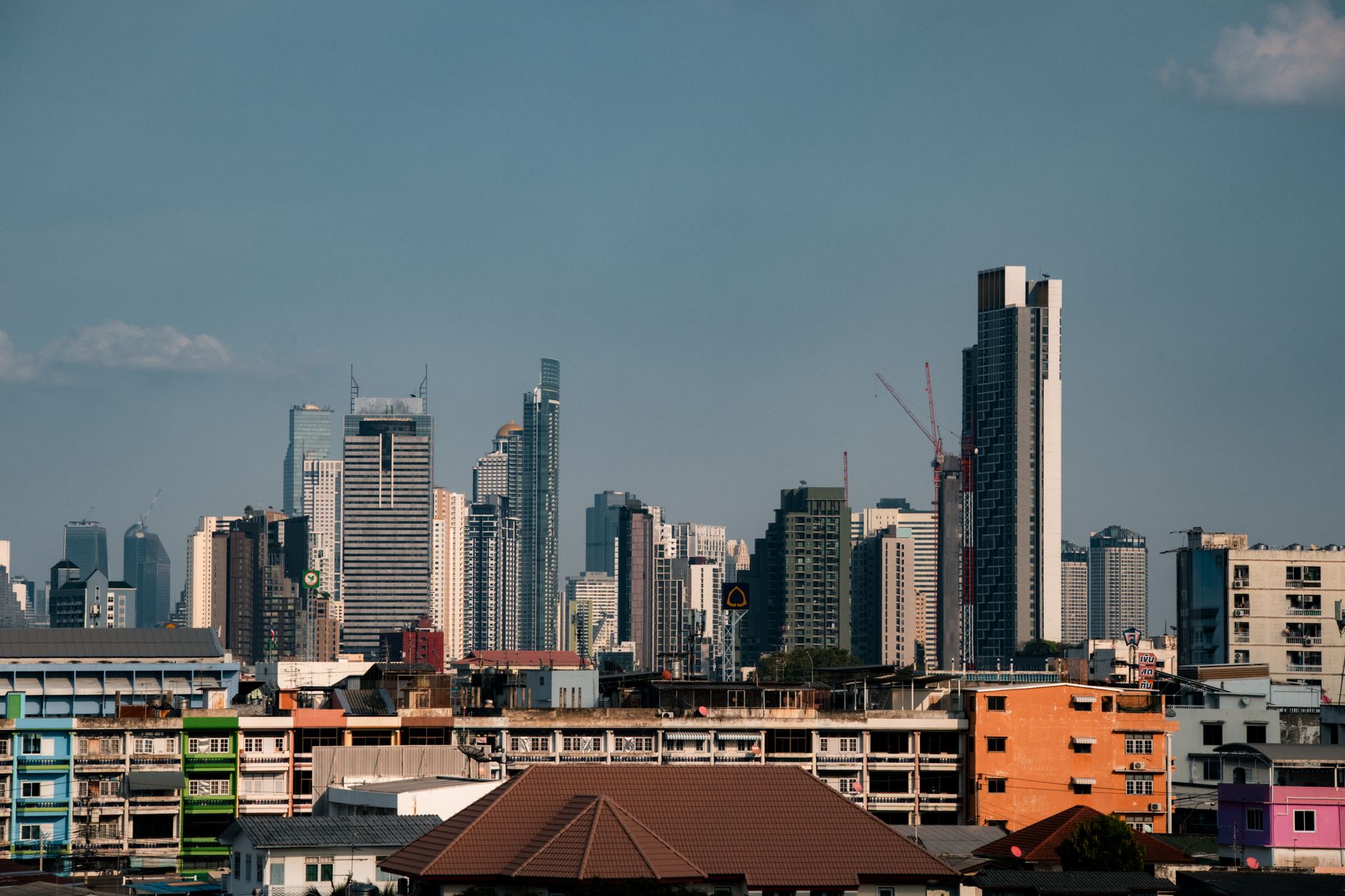
Thailand urban economy is a key factor in the country’s journey towards a high-income future. The World Bank highlights its importance in fostering growth and development.
Understanding Thailand’s Urban Economy
Thailand’s urban economy is a critical component in the nation’s journey towards achieving high-income status. With over 50% of the population residing in urban areas, cities are becoming vibrant hubs for innovation, investment, and employment.
The World Bank highlights several factors that contribute to the strength of Thailand’s urban economy:
- Infrastructure Development: Enhanced transportation and communication networks facilitate trade and connectivity.
- Human Capital: A skilled workforce is essential for sustaining economic growth and attracting foreign investments.
- Entrepreneurship: Support for small and medium-sized enterprises drives job creation and local economic activity.
As Thailand navigates its urban landscape, understanding these dynamics will be vital for policymakers aiming to foster sustainable economic growth in the coming years.
Role of Urbanization in Economic Growth
Urbanization plays a crucial role in shaping Thailand’s urban economy, acting as a catalyst for growth and development. As more people migrate to cities, there is an increase in labor supply, which can enhance productivity and innovation. This shift also leads to greater demand for goods and services, stimulating local businesses and attracting investment.
Key factors contributing to this growth include:
- Infrastructure Development: Improved transportation and communication networks facilitate trade and mobility.
- Investment in Human Capital: Access to education and training enhances the skills of the workforce, making it more competitive.
- Entrepreneurial Opportunities: Urban areas provide a fertile ground for startups and small businesses, fostering a culture of innovation.
Ultimately, the effective management of urbanization is essential for maximizing the potential of Thailand’s urban economy and achieving sustainable growth.
World Bank Insights on Thailand
The World Bank has highlighted the potential of Thailand’s urban economy as a crucial factor in achieving sustained economic growth. According to the report, urban areas are pivotal in driving productivity and innovation, which are essential for transitioning to a high-income nation. The following insights were emphasized:
- Investment in Infrastructure: Improving transportation and public services can significantly enhance urban productivity.
- Support for Small Businesses: Encouraging entrepreneurship within cities can boost job creation and economic diversification.
- Sustainable Development: Prioritizing green initiatives will not only address environmental issues but also attract foreign investments.
- Inclusive Urban Planning: Ensuring that all demographics benefit from urban growth will foster social stability and economic resilience.
By focusing on these areas, Thailand’s urban economy can play a transformative role in reaching its full economic potential.
Challenges Facing Thailand’s Urban Areas
Thailand’s urban economy confronts several significant challenges that could impede its growth and development. Key issues include:
- Infrastructure Deficiencies: Many urban areas struggle with inadequate transportation and utilities, hindering productivity and quality of life.
- Environmental Concerns: Rapid urbanization has led to increased pollution and waste, necessitating sustainable practices to protect urban ecosystems.
- Income Inequality: Disparities in wealth distribution are prevalent, with urban areas showcasing stark contrasts between affluent neighborhoods and impoverished communities.
- Job Creation: The urban economy must diversify and create job opportunities to accommodate a growing labor force and reduce unemployment rates.
Addressing these challenges is crucial for ensuring that Thailand’s urban economy can thrive and contribute to a more prosperous future for all citizens.
Opportunities for Investment in Thailand
The World Bank emphasizes that the Thailand urban economy presents significant opportunities for investment, particularly in infrastructure and technology. As urban areas continue to expand, there is a growing demand for modern transportation systems, smart city initiatives, and sustainable housing solutions. Investors are encouraged to explore sectors such as:
- Renewable energy projects that support sustainability goals.
- Information Technology solutions that enhance urban living and connectivity.
- Real estate developments that cater to the rising urban population.
- Public transportation systems that alleviate congestion and improve mobility.
By capitalizing on these opportunities, stakeholders can contribute to the growth of the Thailand urban economy while fostering a more resilient and prosperous future for its residents.
Future Prospects for High-Income Status
As Thailand continues to evolve, the prospects for achieving high-income status hinge significantly on the development of its urban economy. The World Bank highlights that urbanization can be a powerful catalyst for growth, facilitating increased productivity and innovation. To capitalize on this potential, Thailand must focus on several key areas:
- Investment in Infrastructure: Upgrading transportation, utilities, and digital infrastructure is essential to support urban expansion.
- Enhancing Education and Skills: A skilled workforce is crucial for sustaining economic growth in urban areas.
- Promoting Sustainable Practices: Economic development must be balanced with environmental sustainability to ensure long-term viability.
By strategically addressing these areas, Thailand can strengthen its urban economy and position itself on the path toward high-income status, ultimately benefiting its citizens and enhancing global competitiveness.
Strategies for Sustainable Urban Development
As Thailand seeks to navigate its urban economy towards sustainable growth, effective strategies are crucial. Key approaches include:
- Integrated Urban Planning: Developing comprehensive plans that coordinate land use, transportation, and public services to create efficient urban spaces.
- Green Infrastructure: Investing in eco-friendly initiatives, such as parks and renewable energy, to enhance urban resilience against climate change.
- Public-Private Partnerships: Encouraging collaboration between government and private sectors to fund and implement urban development projects.
- Community Engagement: Involving local populations in decision-making processes to ensure that urban development meets the needs of residents.
- Technology Adoption: Leveraging smart technologies to improve urban management and service delivery.
By implementing these strategies, Thailand’s urban economy can pave the way for a resilient and prosperous future.
The Thailand urban economy has shown remarkable resilience in recent years, prompting discussions on sustainable growth strategies. As cities expand, understanding the dynamics of the Thailand urban economy becomes crucial for policymakers and businesses alike.
Photo by Zaonar Saizainalin on Pexels