Ratko Mladic funeral marks a painful moment for Serbia
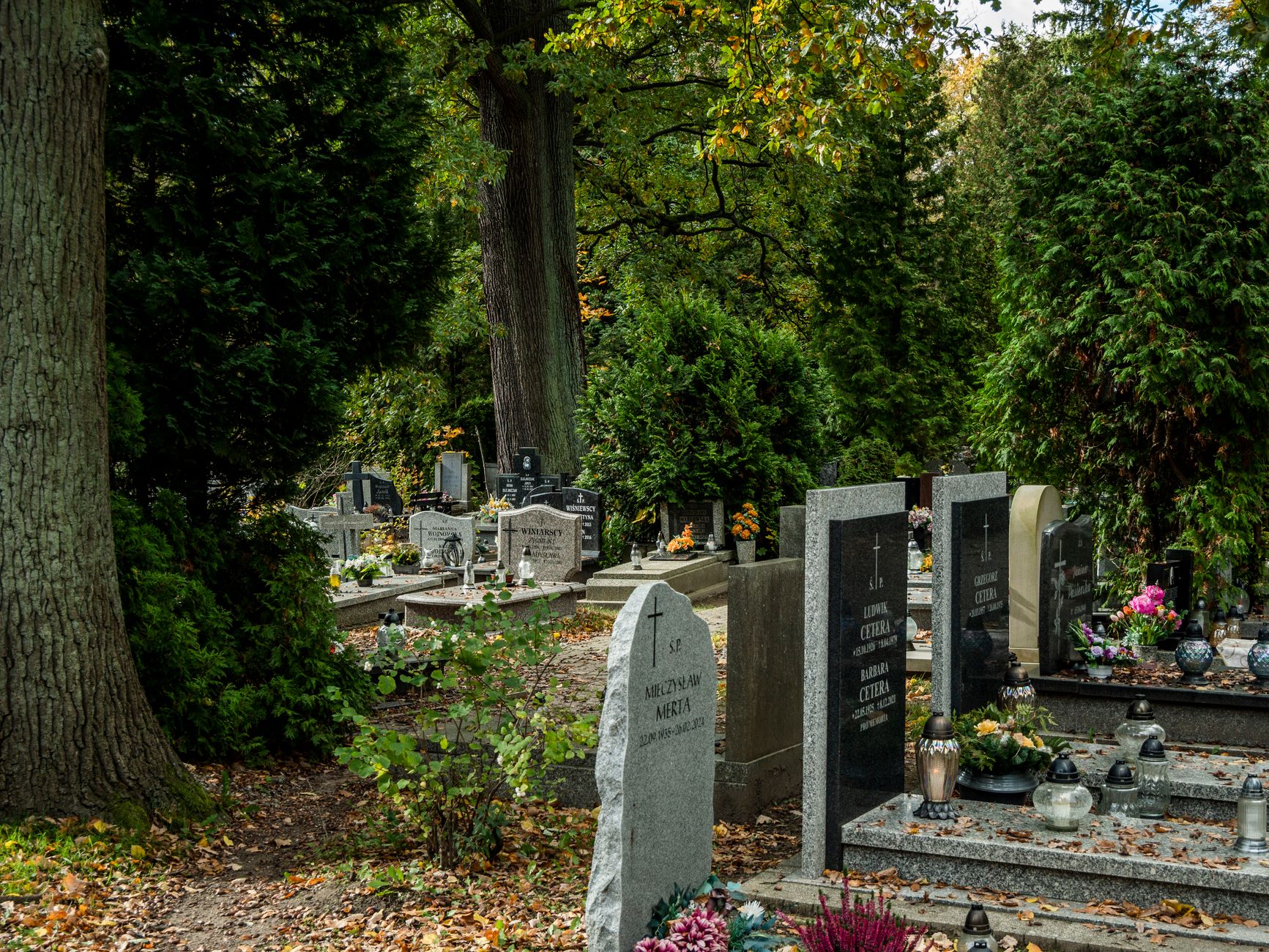
Ratko Mladic funeral has become a significant event as thousands of Serbs gather to mourn the controversial figure linked to the Bosnian War.
Background on Ratko Mladic
Ratko Mladic, a former Bosnian Serb military leader, gained infamy during the Bosnian War for his role in the Srebrenica massacre and the siege of Sarajevo. His actions led to him being dubbed the “Butcher of Bosnia.” Mladic was arrested in 2011 after years on the run and subsequently found guilty of war crimes, including genocide, by the International Criminal Tribunal for the former Yugoslavia. Despite his convictions, many in Serbia view him as a hero, reflecting deep nationalistic sentiments.
The upcoming Ratko Mladic funeral has become a focal point of controversy, stirring emotions across the country. Supporters plan to commemorate his life, while critics emphasize the atrocities committed under his command. This divide showcases the ongoing struggle within Serbia to reconcile its past, as thousands of Serbs are expected to gather in a display of loyalty and remembrance.
The impact of Mladic’s actions
The impact of Ratko Mladic’s actions continues to resonate deeply within Serbia and beyond. His role in the Bosnian War, particularly during the Srebrenica massacre, has left an indelible mark on history and collective memory. As the world reflects on these events, many Serbs view him as a symbol of national pride, while others associate him with deep sorrow and loss.
The funeral of Ratko Mladic has become a focal point for these conflicting sentiments. Supporters argue that he defended the Serbian people during a tumultuous period, while critics highlight the atrocities committed under his command. This duality has fueled ongoing debates about nationalism and justice in the region.
As thousands gather to honor his memory, the Ratko Mladic funeral serves as a painful reminder of the war’s scars and the complex emotions surrounding a figure who remains polarizing to this day.
Thousands gather for Mladic funeral
Thousands of mourners gathered in Serbia to pay their respects at the funeral of Ratko Mladic, a figure whose legacy is deeply divisive. The funeral, held in his hometown, drew supporters who view him as a national hero, while others condemned his actions during the Bosnian War.
Among the crowd, many carried flags and wore T-shirts emblazoned with Mladic’s image, chanting slogans that echoed sentiments of pride and remembrance. The atmosphere was charged, as emotions ran high in a country still grappling with the scars of war.
Some attendees expressed their grief for a man they believe was unjustly vilified, stating that the Ratko Mladic funeral represents a moment of reflection for those who see him as a symbol of resistance. In contrast, numerous international observers criticized the event, highlighting the ongoing tensions surrounding his controversial figure.
Reactions from the international community
The funeral of Ratko Mladic has sparked a range of reactions from the international community, reflecting the complexities surrounding his legacy. Many leaders have expressed their disapproval of the commemorations in Serbia.
Human rights organizations emphasized the importance of acknowledging the atrocities committed during the Bosnian War. A spokesperson for one group stated, “Honoring Mladic is a painful reminder of the suffering endured by countless victims.” Conversely, some in Serbia view the funeral as a tribute to a national figure, complicating the narrative.
International diplomats have urged for a united front against glorification of figures associated with war crimes. “It is crucial for the region to confront its past,” said a European Union representative. The Mladic funeral marks a pivotal moment, highlighting ongoing tensions in post-war reconciliation efforts.
Mladic’s legacy in Bosnia and Serbia
Ratko Mladic’s funeral marks a painful moment for Serbia, reflecting a complex legacy intertwined with the history of the Balkans. As a commander during the Bosnian War, Mladic is often remembered for his role in orchestrating ethnic cleansing, which has left deep scars in both Bosnia and Serbia.
His supporters view him as a defender of Serb interests, while critics label him the “Butcher of Bosnia,” highlighting the atrocities committed under his command. The duality of his legacy has sparked ongoing debates within Serbian society, where many grapple with the implications of honoring a man convicted of war crimes.
As mourners gathered for Mladic’s funeral, discussions surrounding his impact on national identity resurfaced, revealing the tensions that persist in the region. The event served as a reminder of the profound divisions that remain, as many struggle to reconcile their views on Mladic’s actions and their consequences.
The Ratko Mladic funeral has stirred deep emotions among many in Serbia, reflecting the complex legacy of the former general. As the nation grapples with its past, the Ratko Mladic funeral serves as a poignant reminder of the enduring divisions within society.
Photo by SHOX ART on Pexels