Why Children Struggle With Water Confidence Today
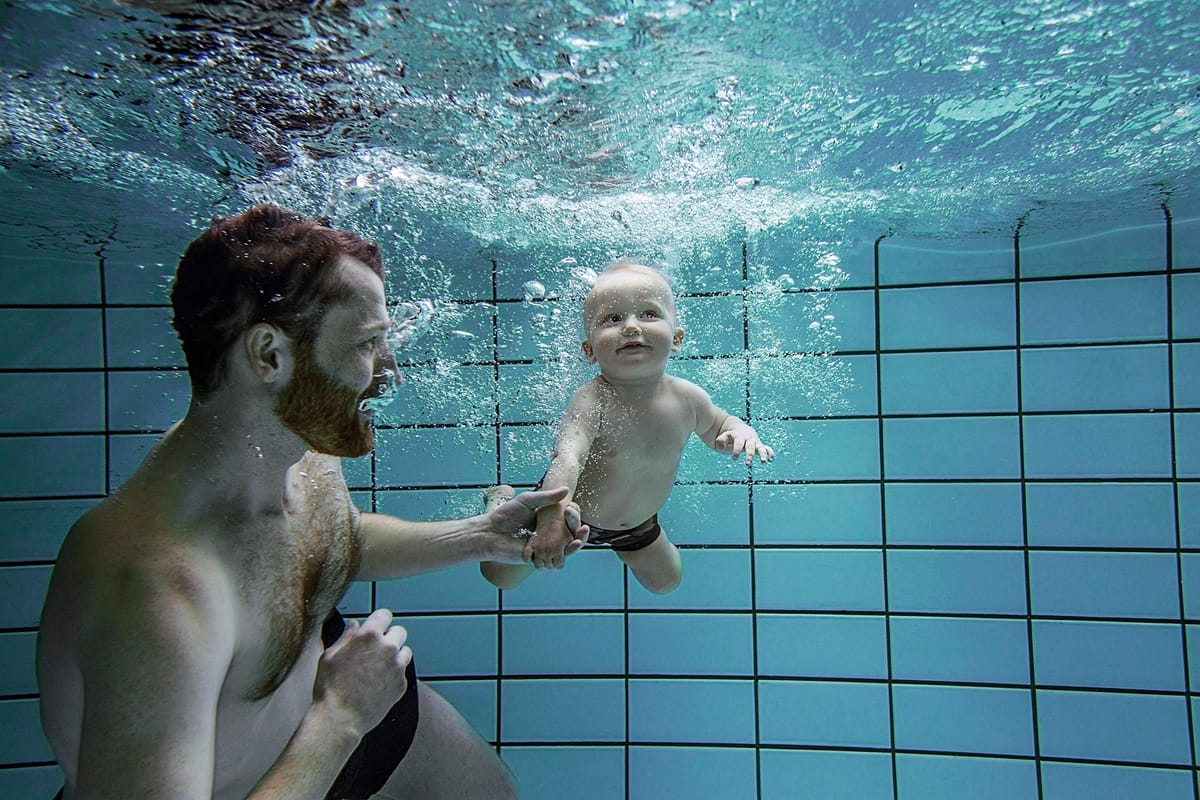
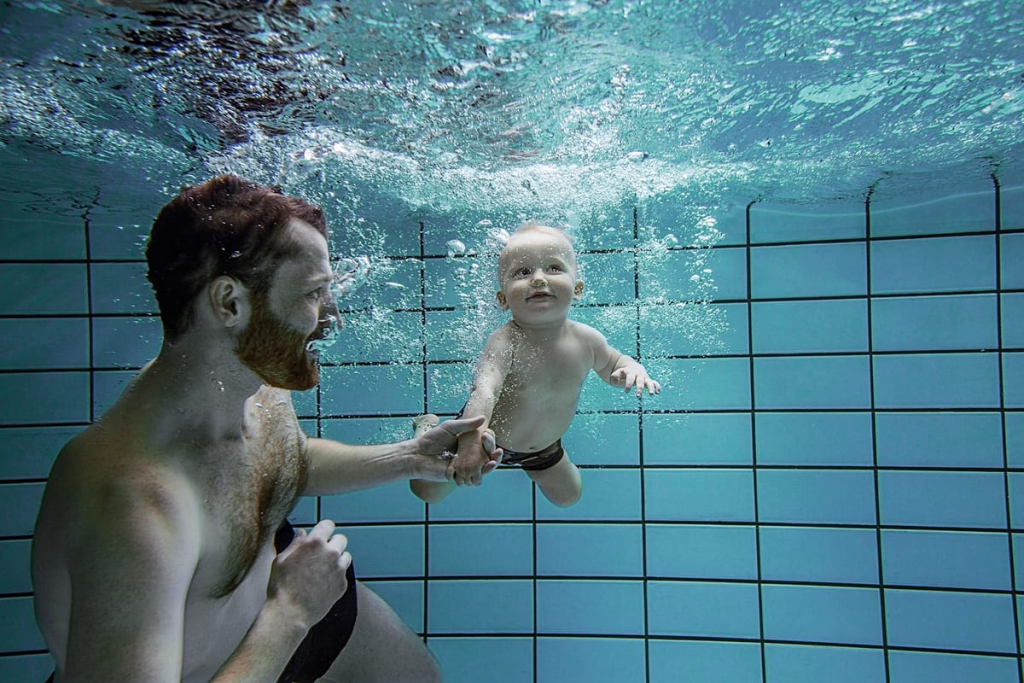
More parents in the UK ask why their children lack water confidence compared to previous generations. Many notice the same pattern. Their child seems happy on poolside, but once the feet touch the water, everything changes. Some children cling to the wall. Some freeze. Some become upset within seconds. This is one reason so many parents look for structured swimming lessons near me through sites like swimming lessons near me. The rise in water uncertainty is clear, but the reasons behind it are more complex.
The issue is not that children have changed. It is that their environments have changed. Pools are less common, play routines have shifted and daily life has moved indoors. Many children do not get natural exposure to water in a calm and steady way. This creates gaps in confidence. Long term, it affects how well they progress once they start swimming lessons.
Fewer children grow up around water
A key factor in declining confidence is the simple lack of informal water time. Previous generations often learned basic water skills through outdoor play. Local pools were more common. School sessions were more consistent. Friends met at leisure centres or lidos at weekends.
Today, children spend more time on screens and less time in environments where natural water play happens. Many UK pools have closed due to rising running costs. School budgets are tighter. Families often need to travel further to reach a local pool. For busy households, that extra journey means fewer spontaneous swims.
Confidence grows from exposure. When children see water as familiar, their bodies relax and their movements flow. Without this early exposure, the first real contact often happens only during childrens swimming lessons, which can feel overwhelming.
School swimming is less consistent than it used to be
Most parents assume school swimming provides a foundation, but this is not always the case. Some schools still offer lessons, but many face timetable issues, high pool hire costs and a shortage of trained staff. As a result, children may receive only a few lessons per year. Some receive none at all.
When children reach Year 6 without regular lessons, they often miss core foundations such as floating, balance and breath control. This lack of progression builds uncertainty. It also places extra pressure on families to find reliable swimming lessons in Leeds and other local areas to fill the gap.
Children absorb adult fears without realising
Many fears are passed on indirectly. A child may not be scared of water at first, but if a parent or caregiver shows tension around it, the child learns that water is something to approach with caution. This can happen in small ways.
Examples include:
- Holding a child too tightly in the pool
- Avoiding deeper water even when safe
- Expressing fear of slipping
- Warning children too often instead of encouraging steady exposure
Children read these signals. They sense danger when none exists. This shapes their own confidence and affects how they react during structured lessons.
The decline of basic physical play affects water skills
Water confidence is not only about swimming. It is about how children move. Modern lifestyles give children fewer opportunities to climb, roll, stretch or balance. These everyday movements build a sense of body awareness. Without it, the weightlessness of water feels unfamiliar.
A confident child in the water usually has core stability, balance and coordination. A child who has not developed these through play may feel lost the moment their feet leave the floor. They may panic when they float or tip forward. This fear is not about water. It is about not understanding their own movement in a new environment.
Social pressure plays a bigger role than parents realise
Group settings can amplify fear. Some children worry about being watched. Others worry about being the last one to pass a skill. For shy children, the noise of a pool alone can be overwhelming.
When children start childrens swimming lessons, they often compare themselves to others without saying it out loud. If another child jumps in confidently, a nervous child may feel behind before they even start. This pressure can stay with them unless the instructor provides a calm and structured environment.
Sensory challenges are more widely recognised today
Many children find pool environments challenging because of sensory factors. The water feels cold. The echo is loud. The lighting is bright. The smell of chlorine is strong. The volume of activity can be intense.
These sensory inputs can create tension for many children, especially those who are sensitive to noise or new sensations. They may freeze or withdraw. If an instructor does not recognise these signs, the child may struggle to settle.
Confidence depends on comfort. When the pool feels overwhelming, children find it harder to relax into their lessons.
Inconsistent teaching quality affects confidence
Not all swim schools follow clear, structured and progressive teaching methods. Some instructors move too fast through skills. Others do not spend enough time on water familiarity. Some focus on strokes before building basic confidence.
When lessons lack structure, children feel lost. They may pick up habits without understanding what they are doing. Poor early experiences stay with them, making future lessons harder.
To address this, families often search for reliable swimming lessons that use simple, consistent methods in warm and calm pool settings. The approach matters as much as the pool itself.
The impact of past negative experiences
Some children struggle because they have had one bad moment. It may be something that adults see as small, but for a child it sticks.
Common examples include:
- Water splashing the face unexpectedly
- Slipping on poolside
- Being asked to attempt a skill before they were ready
- A loud crash or sudden noise in the pool
These moments anchor themselves in a child’s memory. Once a negative association forms, confidence drops. It takes patient guidance to rebuild trust.
Why confidence, not technique, is the real foundation
Many parents focus on technique, but confidence comes first. Children need to feel safe before they can learn to float, kick or use their arms. Confidence is the part that cannot be rushed.
Swimming confidence comes from four simple foundations:
- Comfort with water on the face
- Ability to float without tension
- Control of breathing
- Trust in the instructor
Once these are in place, progress speeds up. Without them, every new skill feels difficult. High quality childrens swimming lessons focus on these foundations before anything else.
How the right instructor helps reduce fear
A skilled instructor can transform a child’s water experience. Children respond to calm voices, steady routines and predictable steps. The best instructors do not push too fast. They build trust through slow, structured exposure.
Good instructors:
- Give simple instructions
- Keep drills short
- Celebrate small steps
- Help children feel safe
- Adjust lessons for each child
- Avoid pressure or competition
This approach helps children relax. When the body relaxes, movement becomes easier. Water confidence then grows in a natural way.
Why small group lessons often work best
Large groups make it difficult for children to focus. Smaller groups help children feel seen and supported. When instructors can watch each child closely, progress improves.
Small groups reduce anxiety because they:
- Limit noise
- Make instruction clearer
- Give each child more practice time
- Allow steady pacing based on ability
This is why many parents look for structured swimming lessons that keep group sizes sensible and manageable.
Future trends that may affect water confidence
As lifestyle patterns shift, confidence trends may change too. Some children may have less natural exposure to water. At the same time, more families are seeking structured lessons earlier to build safety and confidence before school age.
We may also see more focus on:
- Warm water teaching pools
- Smaller class sizes
- Visual teaching tools
- Early years water play programmes
- Clearer progression systems
These changes can help future generations grow comfortable around water from a young age.
How parents can support water confidence at home
Parents play a big role in shaping water confidence, even if they are not swimmers. Small, simple steps can make a difference.
Useful approaches include:
- Making bath time calm and playful
- Pouring gentle water over the shoulders or back
- Encouraging face dipping without pressure
- Letting children blow bubbles
- Showing positive reactions around water
- Avoiding fear based language
These steps help children see water as safe and enjoyable. When paired with structured lessons, progress becomes steady.
Why professional lessons still make a difference
While home exposure helps, water survival and proper technique require trained instruction. Children need guided practice from instructors who understand body position, movement and safety. Professional lessons turn confidence into skill.
Parents looking for steady progression can explore options such as swimming lessons, which offer clear structure built around confidence, technique and safety.
A final reflection on why many children struggle with confidence
Children struggle with water confidence for many reasons, but the core issues remain consistent. Less natural exposure, reduced school swimming, sensory challenges and modern lifestyles all play a part. Once uncertainty takes hold, it can grow unless the child receives patient and supportive instruction.
The good news is that confidence can be rebuilt. It takes calm teaching, steady structure and gentle repetition. Children thrive when they feel safe, supported and understood. For many families, professional lessons provide that environment. Parents can explore options through sites such as swimming lessons in Leeds, which outline clear programmes designed to help children relax and grow strong in the water.
Confidence is not fixed. It grows with experience. With the right support, every child can feel at ease in the pool and build skills that last a lifetime.