
What is Pipette Used For?
Welcome, curious minds, to a fascinating exploration into the world of science and laboratory tools! Have you ever wondered what those long, slender tubes with bulbs at one end are used for in labs? Well, wonder no more, because today we’re diving deep into the versatile world of pipettes!
The Basics of a Pipette
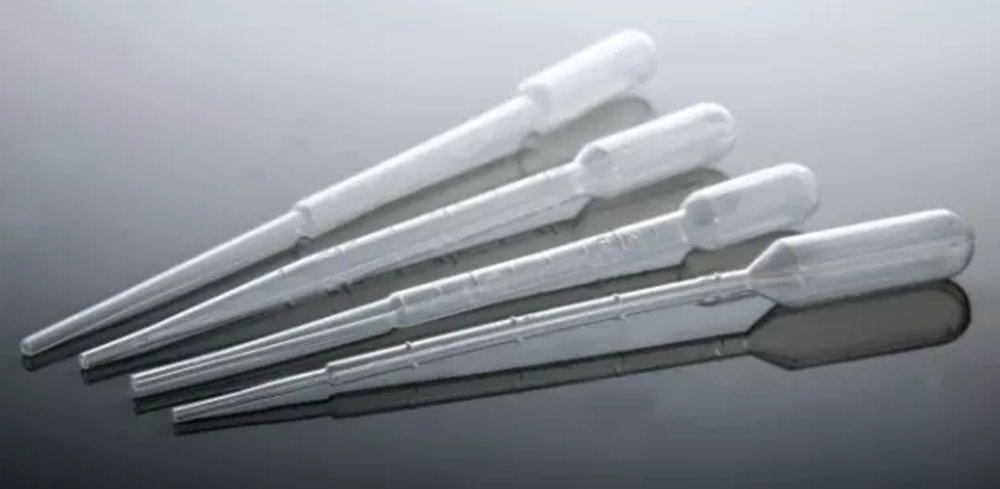
Before we delve into the exciting uses of a pipette, let’s first understand what a pipette actually is. A pipette is a precision tool used in laboratories to measure and transfer small volumes of liquids accurately. It consists of a long tube with measurement markings along its length and a bulb or a cap at one end to draw in or dispense liquids.
Now that we have a basic understanding of what a pipette is, let’s explore the numerous ways in which this humble tool plays a crucial role in various scientific experiments and procedures.
Measuring Exact Volumes
One of the primary uses of a pipette is to measure exact volumes of liquids. In scientific experiments, especially in fields like chemistry and biology, precise measurements are crucial for accurate results. A pipette allows scientists to transfer a specific volume of liquid with high precision, ensuring the reliability of their data.
Example:
Imagine a scientist needs to mix two liquids in a specific ratio to conduct an experiment. A pipette enables them to measure the exact volumes needed, ensuring the desired concentration of the mixture.
Performing Titration
Titration is a common laboratory technique used to determine the concentration of a substance in a solution. Pipettes are essential tools in the titration process, as they allow scientists to precisely measure and transfer small volumes of one solution into another until a chemical reaction reaches completion.
By using pipettes during titration, scientists can accurately determine the concentration of unknown substances, helping them analyze the properties of various chemicals.
Example:
In a titration experiment to find the acidic content in a sample, a pipette is used to add a precise volume of a base solution until the reaction reaches the endpoint indicated by a color change.
Culturing Cells in Laboratories
Biological laboratories often use pipettes to culture cells or transfer cell cultures between different containers. Cell culture techniques require precise handling of liquids to maintain the viability and integrity of the cells being studied.
Pipettes allow scientists to carefully transfer cell suspensions, growth media, and other reagents without contaminating the samples, ensuring the success of cell culture experiments.
Example:
During the process of culturing bacteria in a laboratory, a pipette is used to transfer a specific volume of bacterial culture into a fresh growth medium to promote bacterial growth and study their characteristics.
Dispensing Reagents and Solutions
In addition to measuring and transferring liquids, pipettes are also used for dispensing reagents and solutions in laboratory experiments. Whether it’s adding a precise amount of a chemical reagent or mixing solutions in a controlled manner, pipettes offer scientists the accuracy required for various scientific procedures.
Example:
When conducting a chemical reaction that requires the addition of a specific amount of a reactant, a pipette ensures that the correct volume is added, allowing researchers to observe the resulting chemical changes accurately.
From measuring exact volumes to culturing cells and dispensing solutions, the uses of a pipette in the scientific world are diverse and essential. This humble tool plays a crucial role in ensuring the accuracy and reliability of experimental results, making it a staple in laboratories across various disciplines.
So, the next time you see a pipette in action, remember the vital role it plays in advancing scientific knowledge and discoveries!